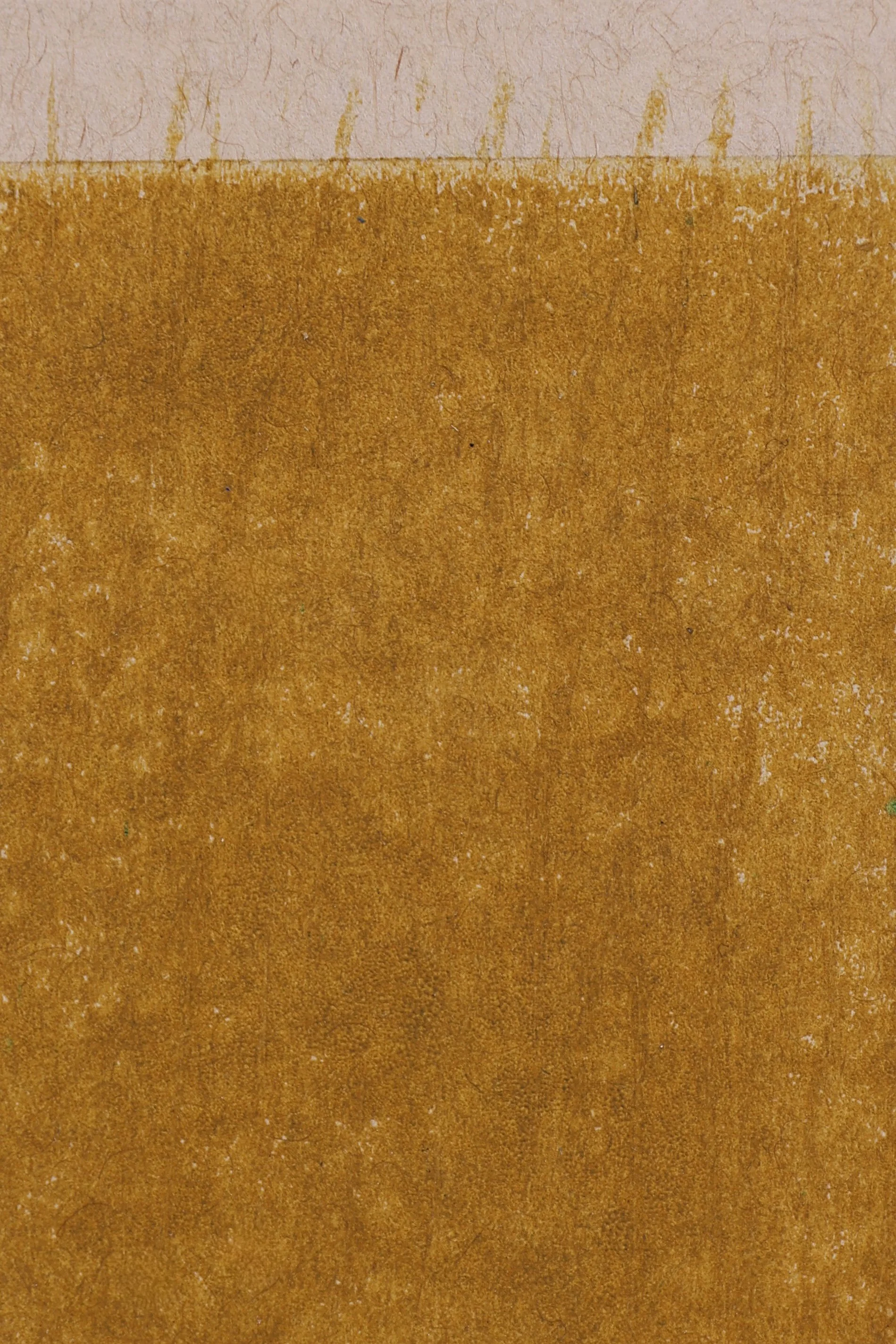
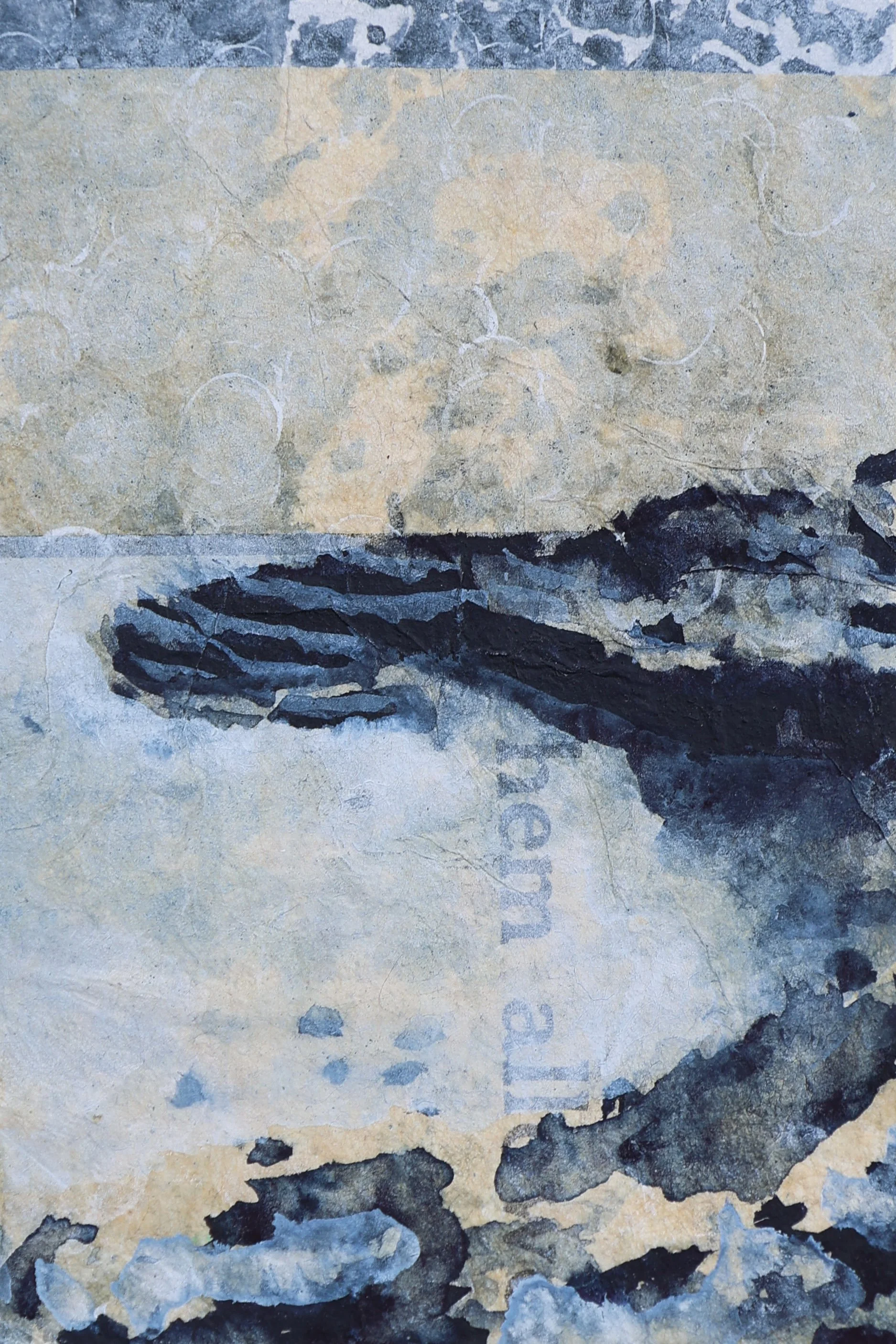
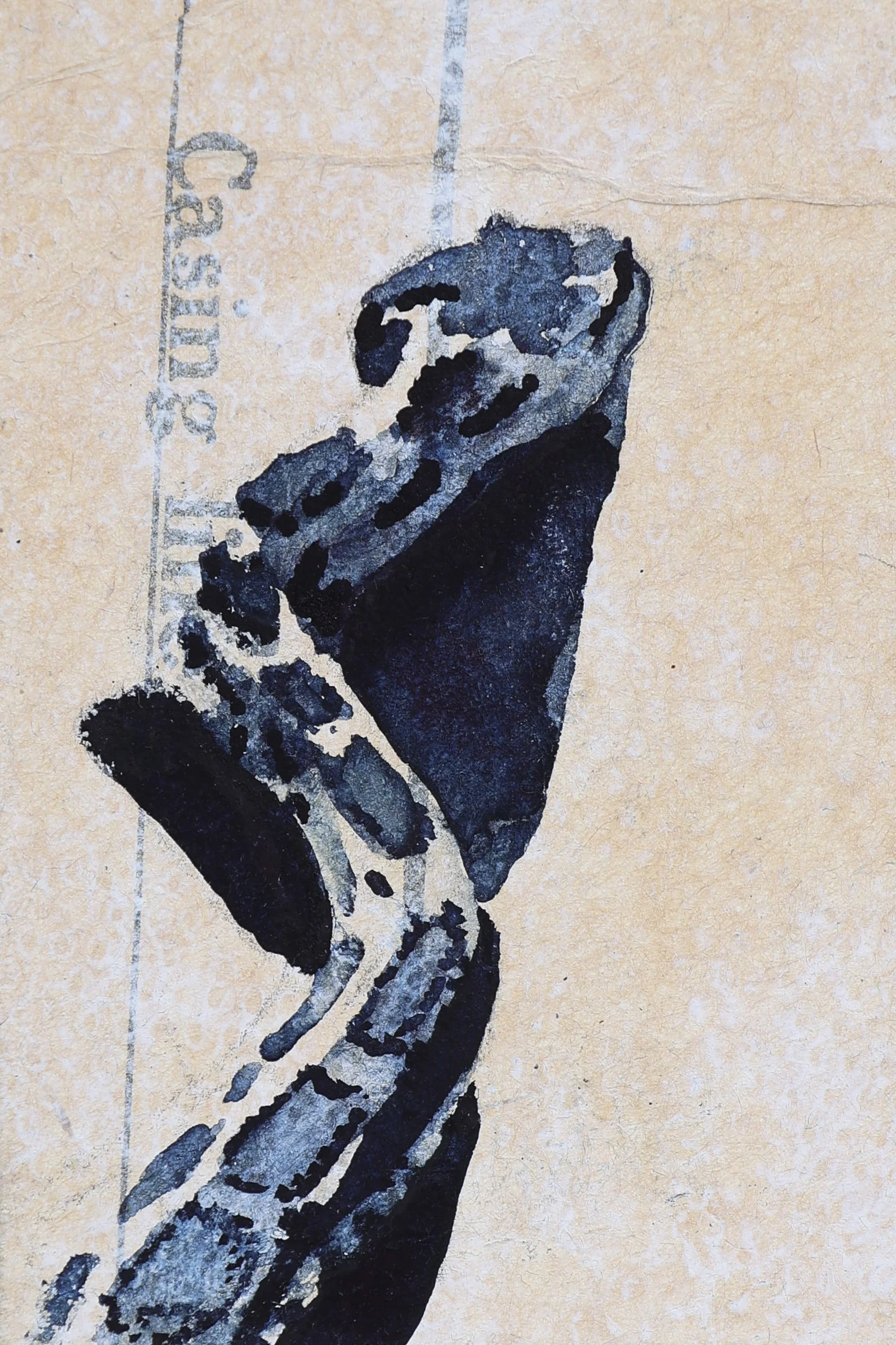
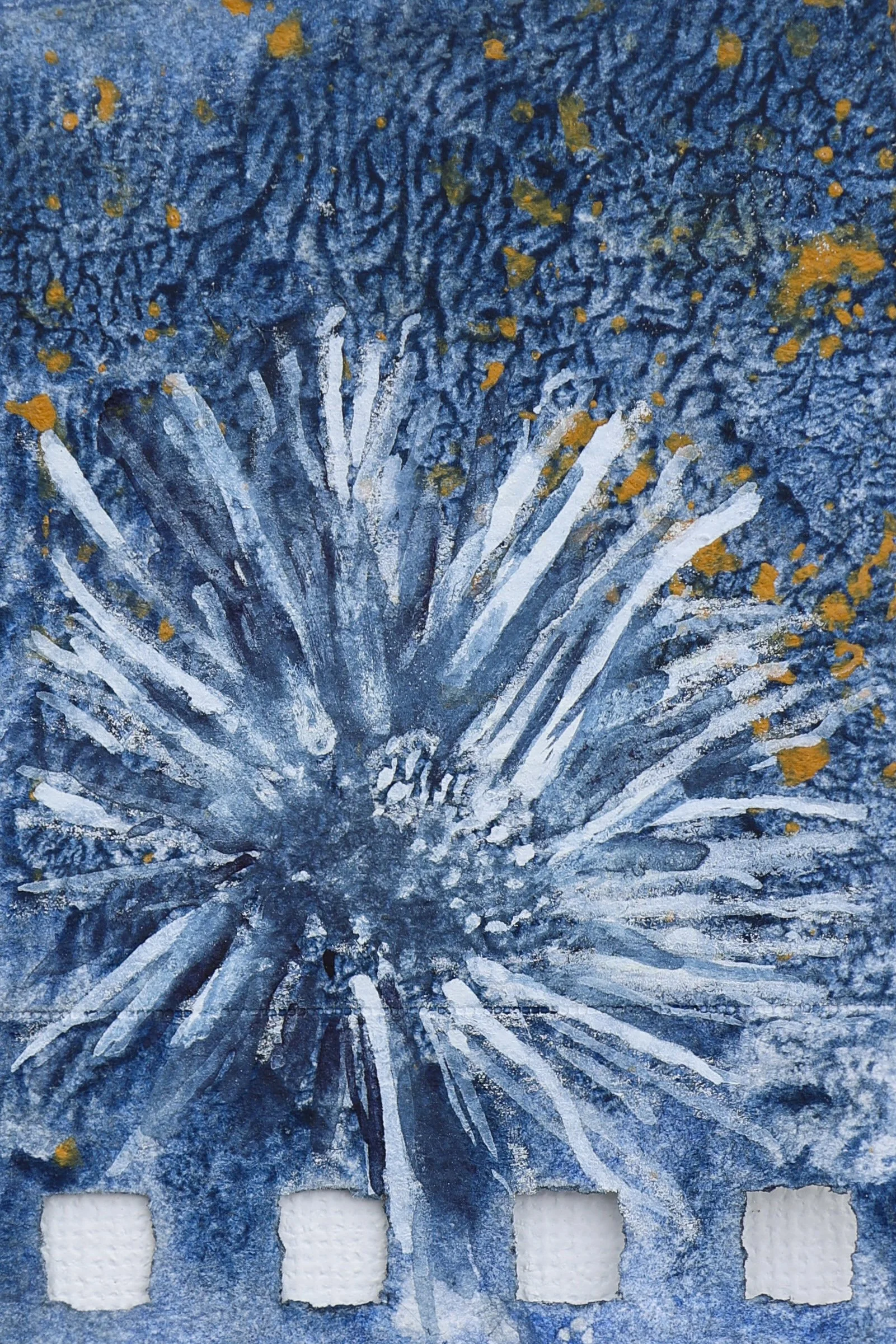
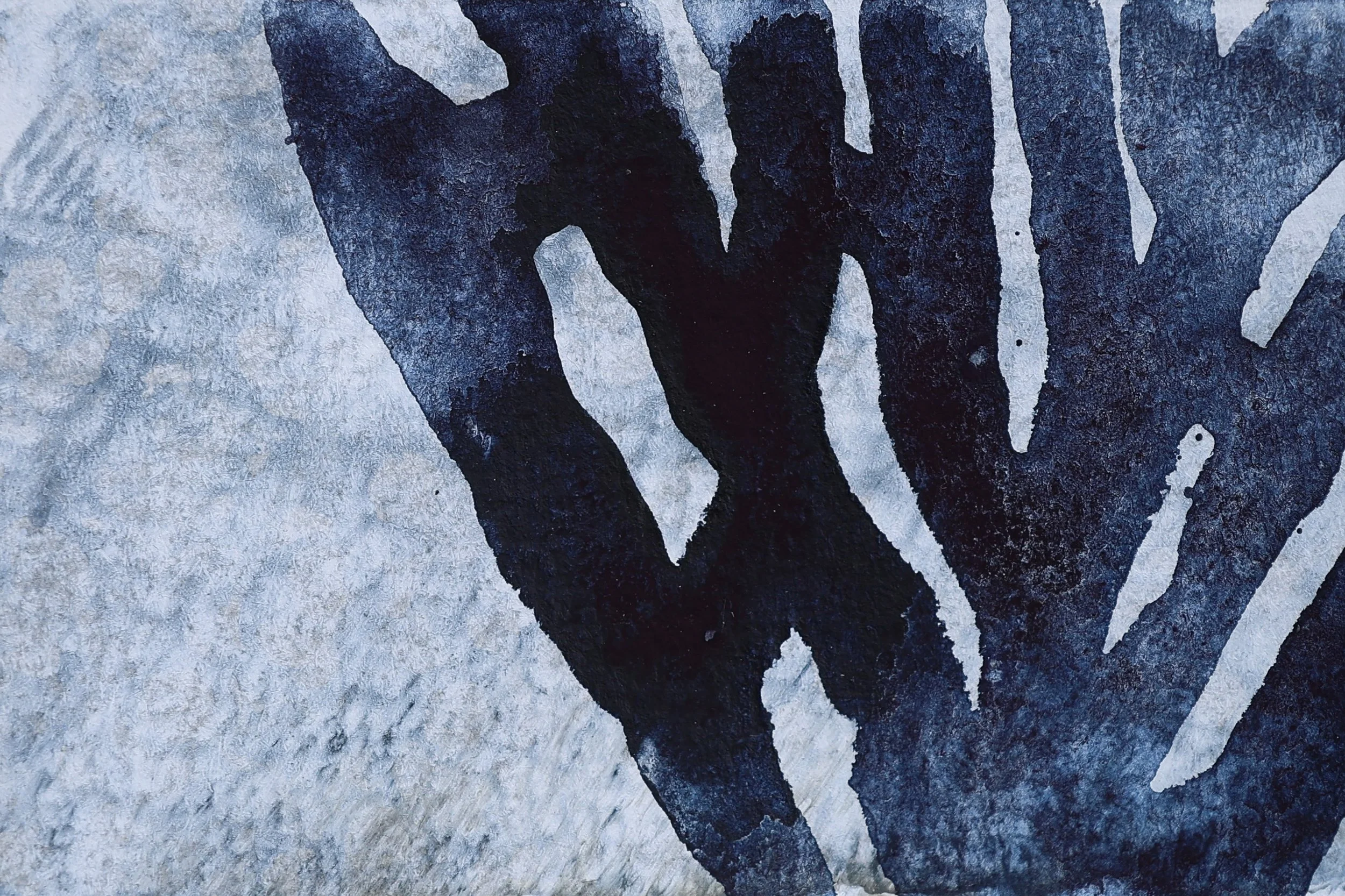
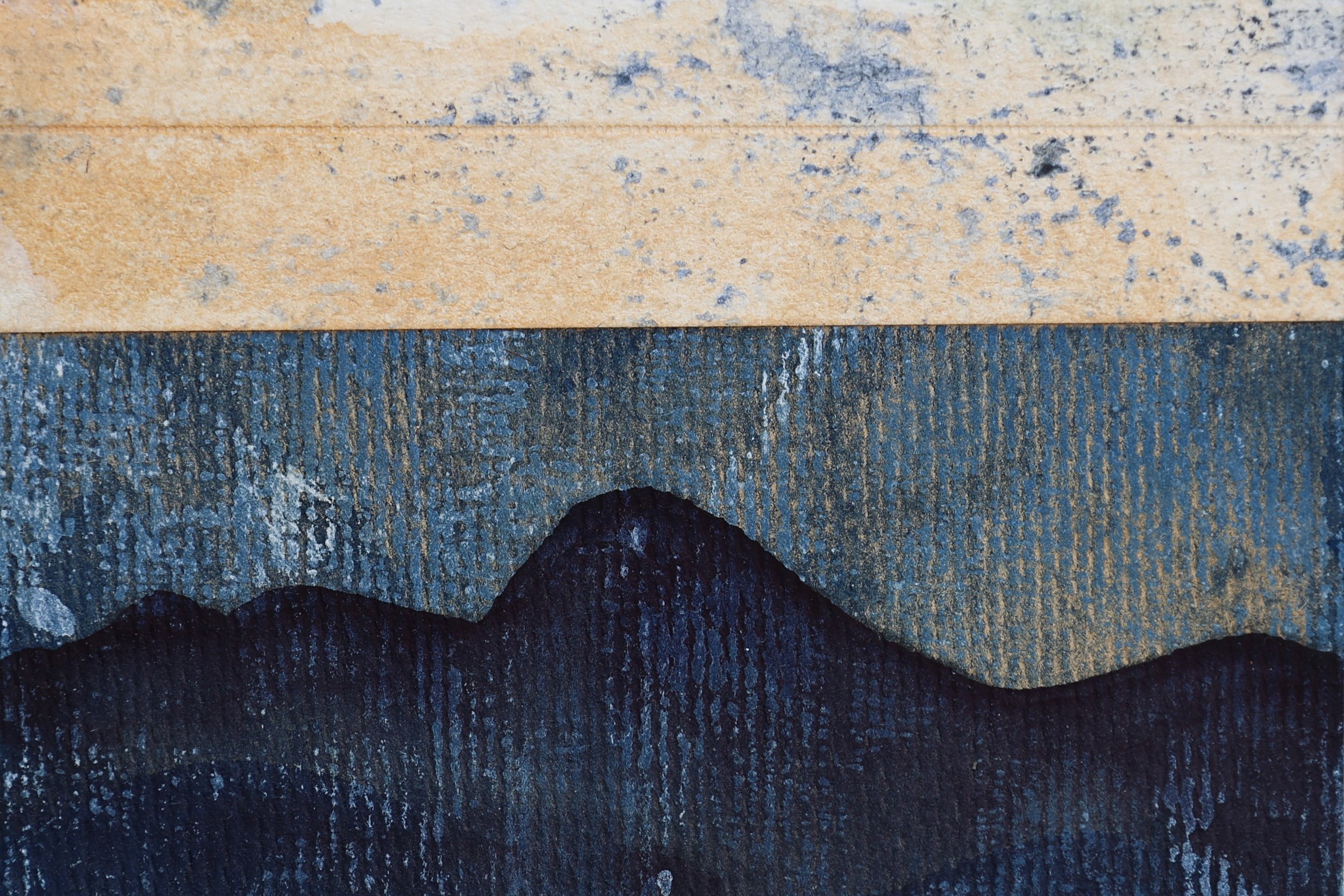
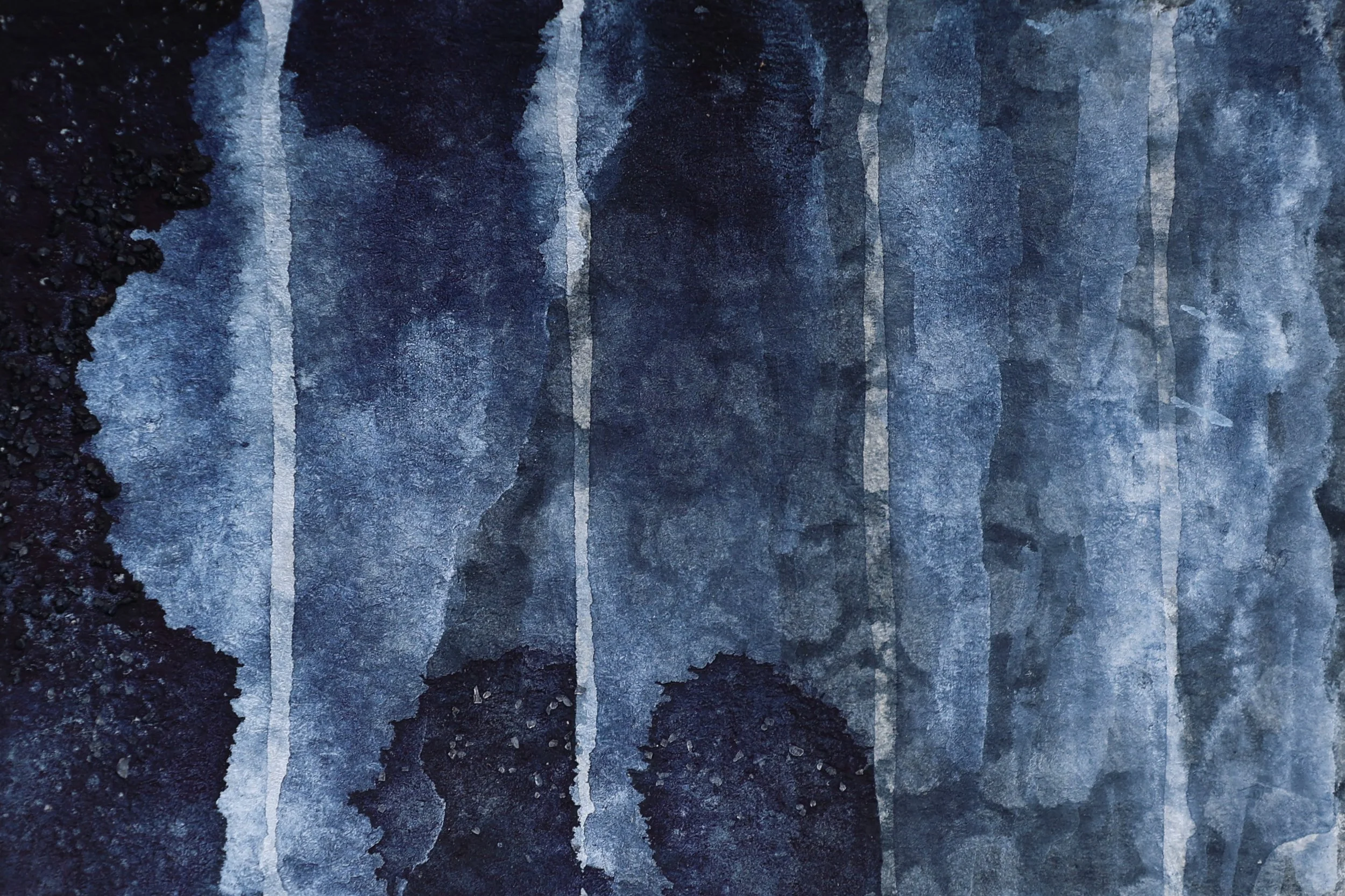
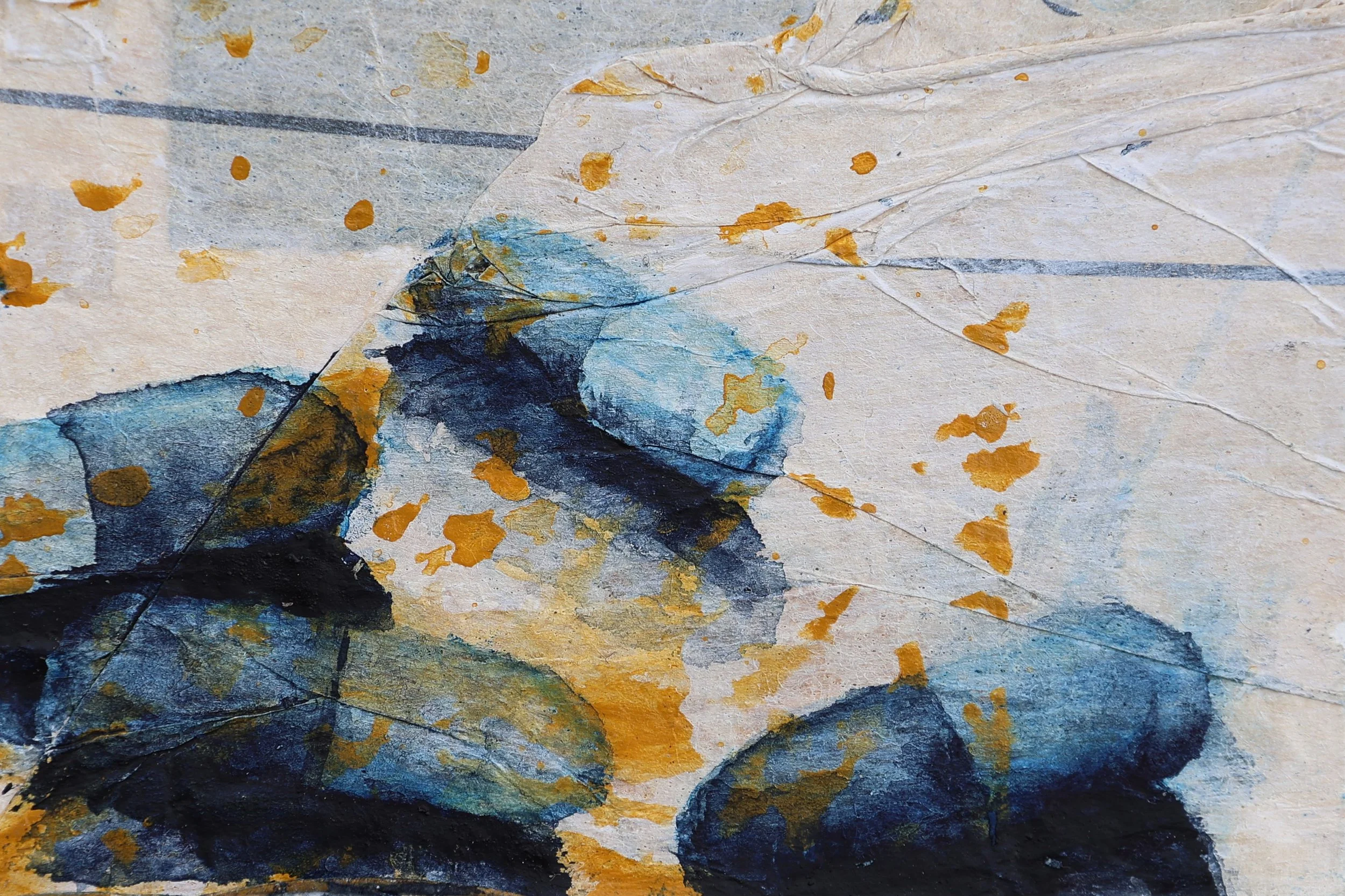
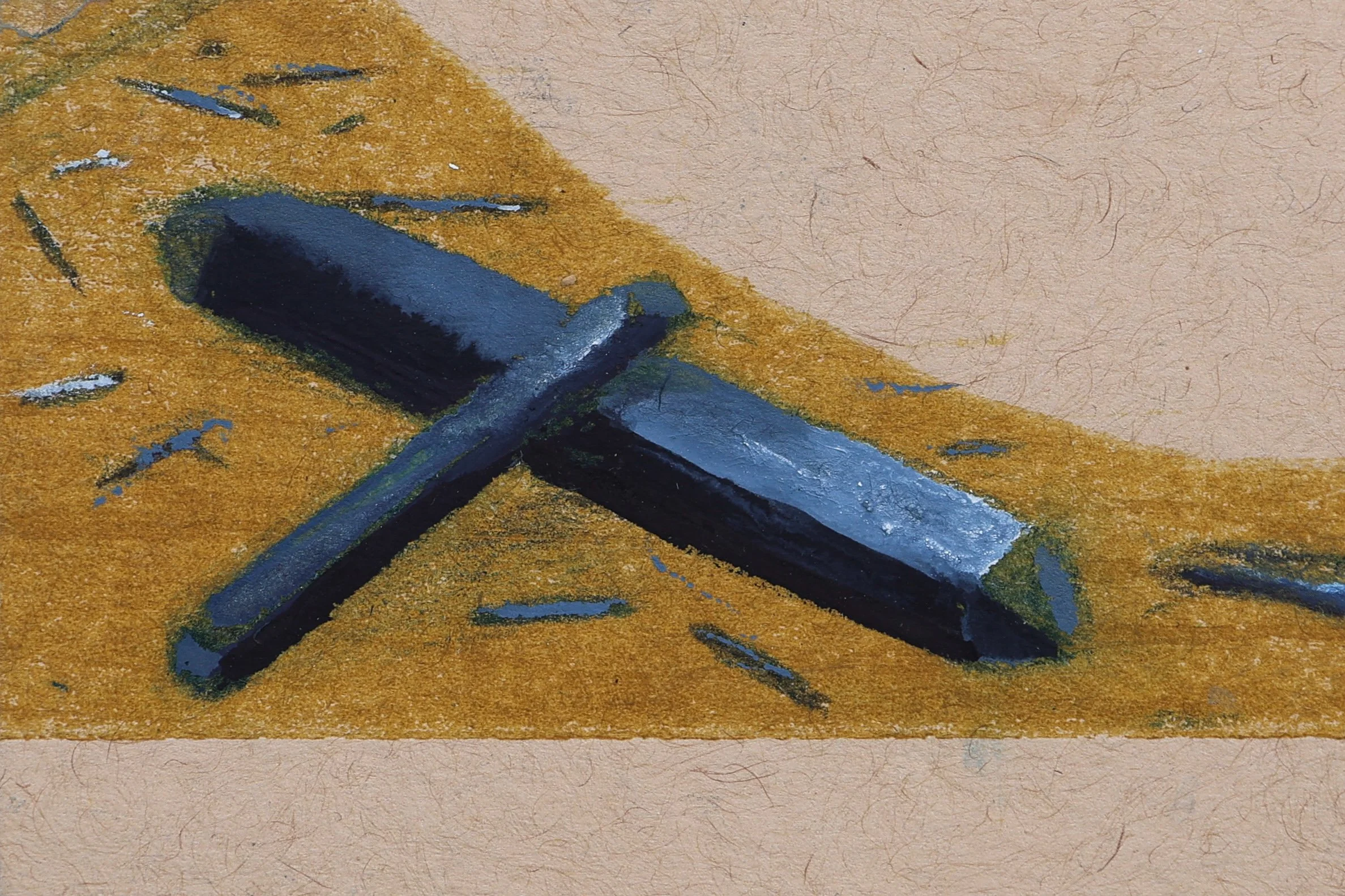
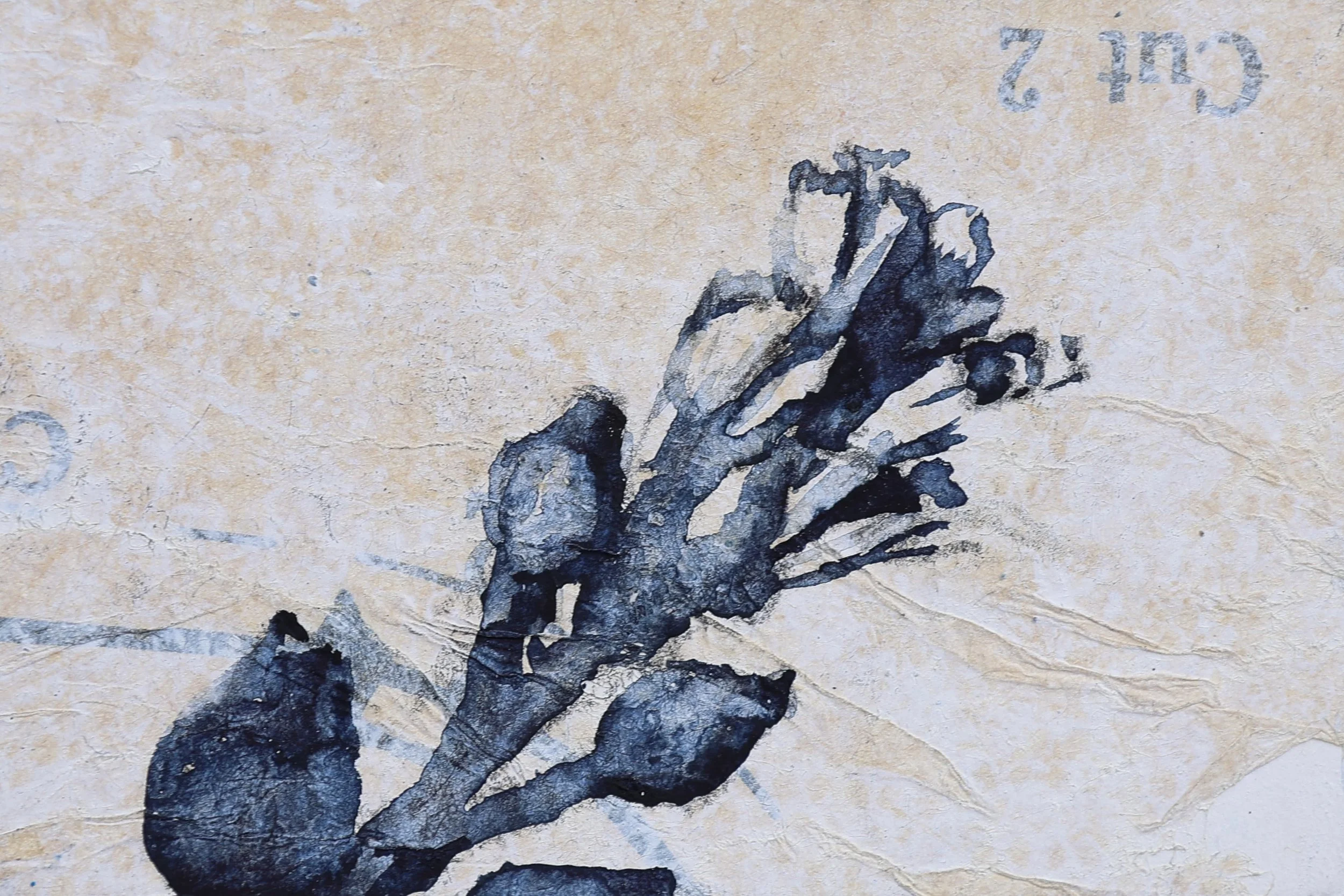
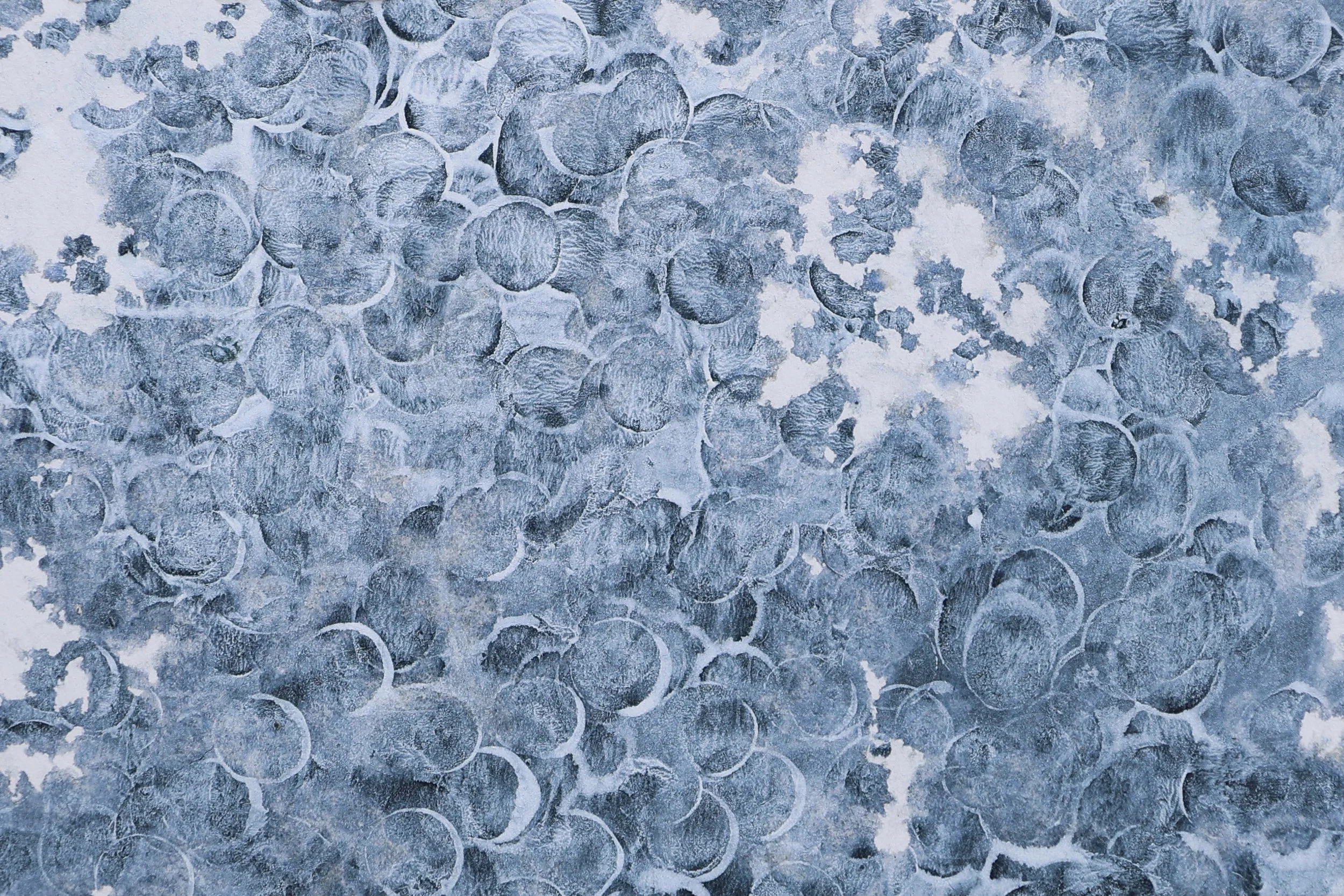
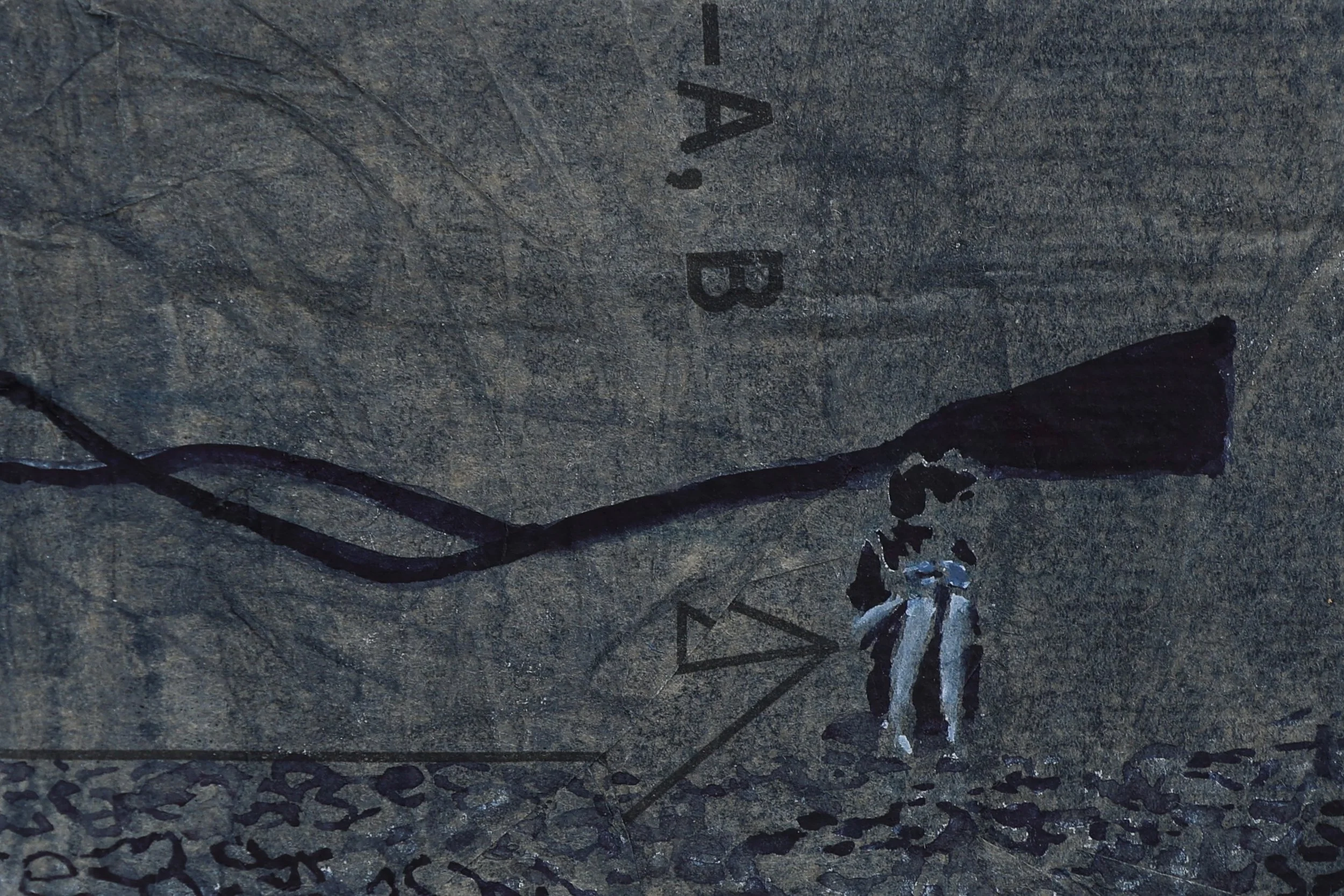
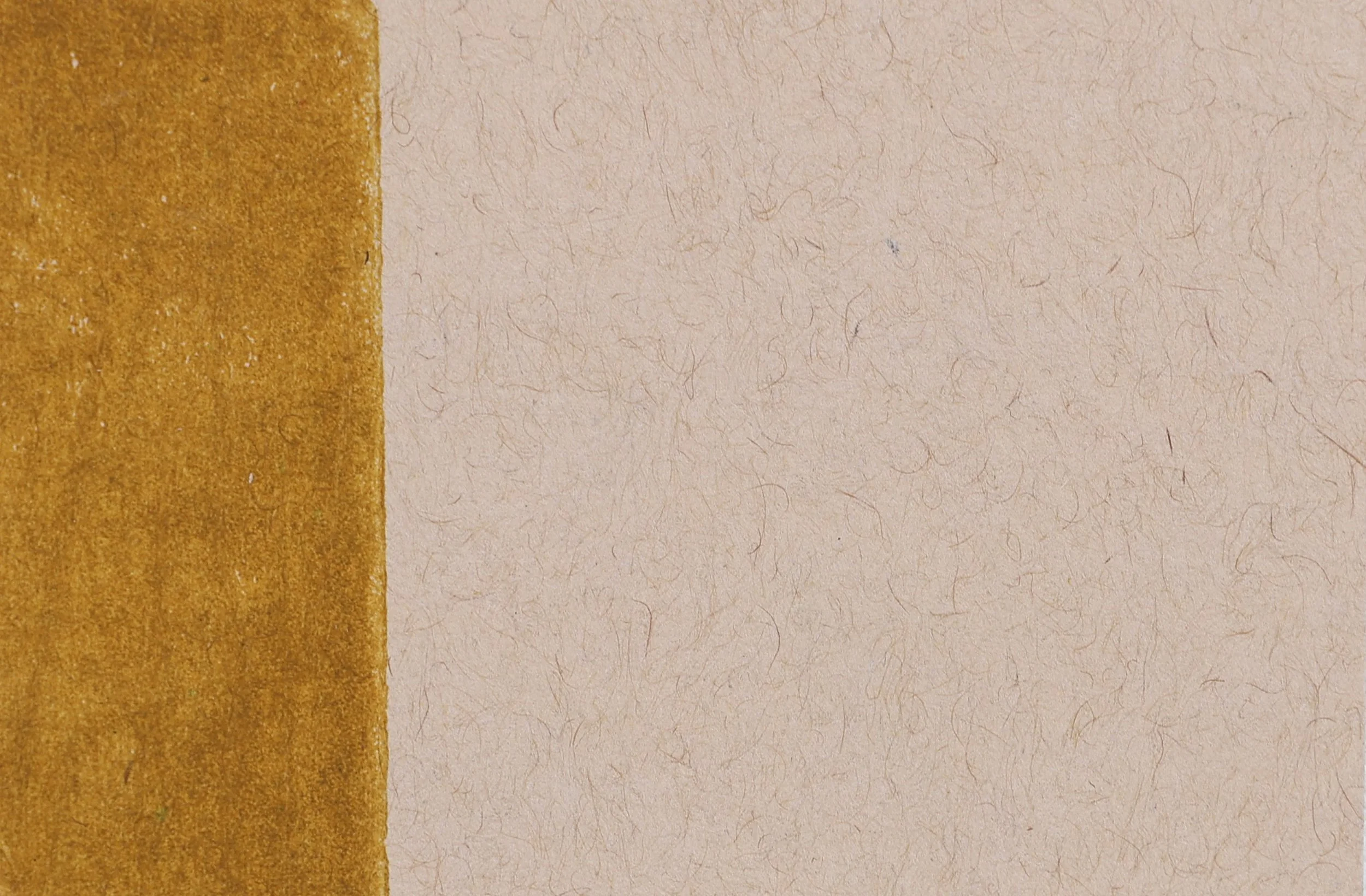
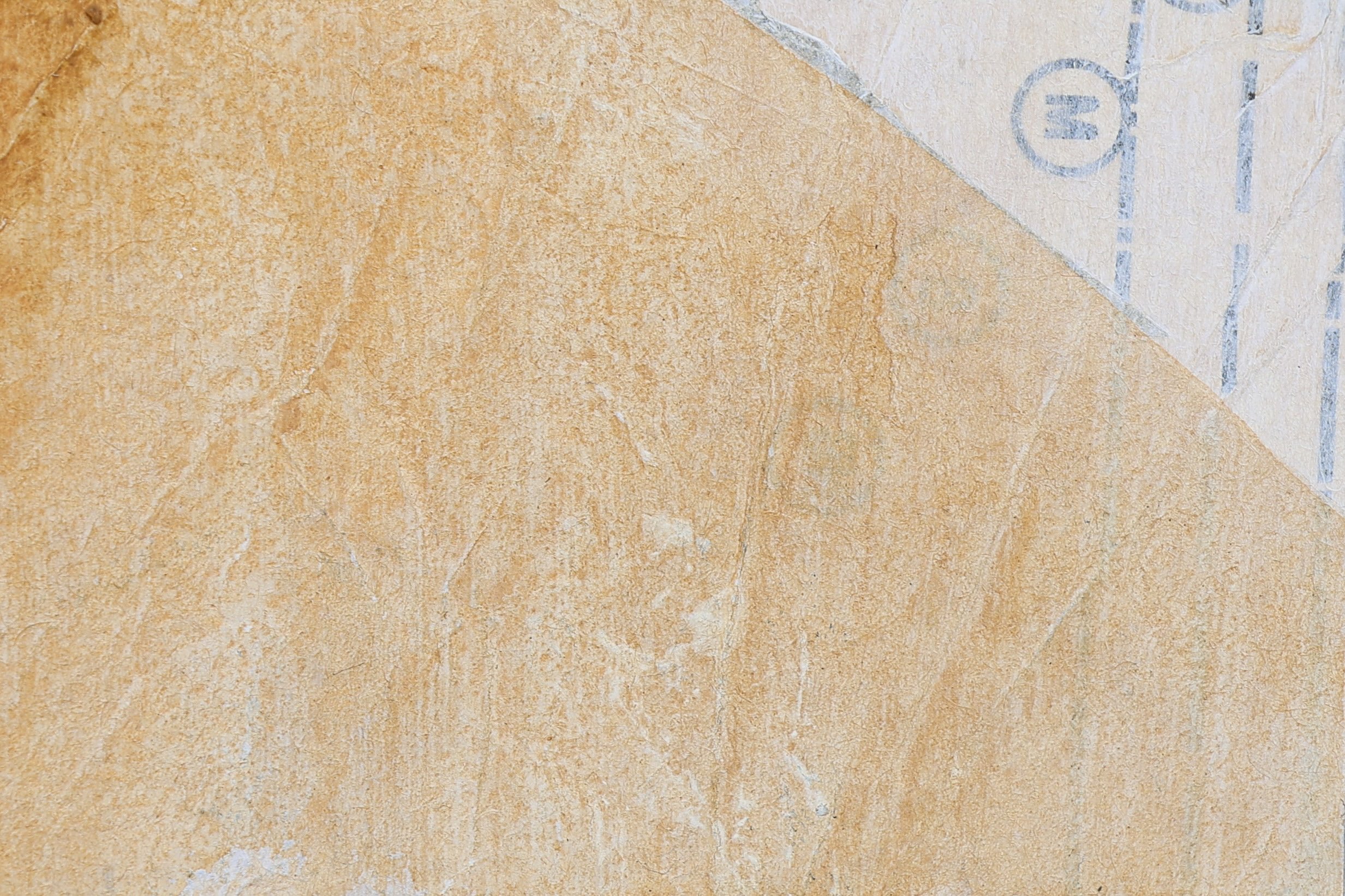
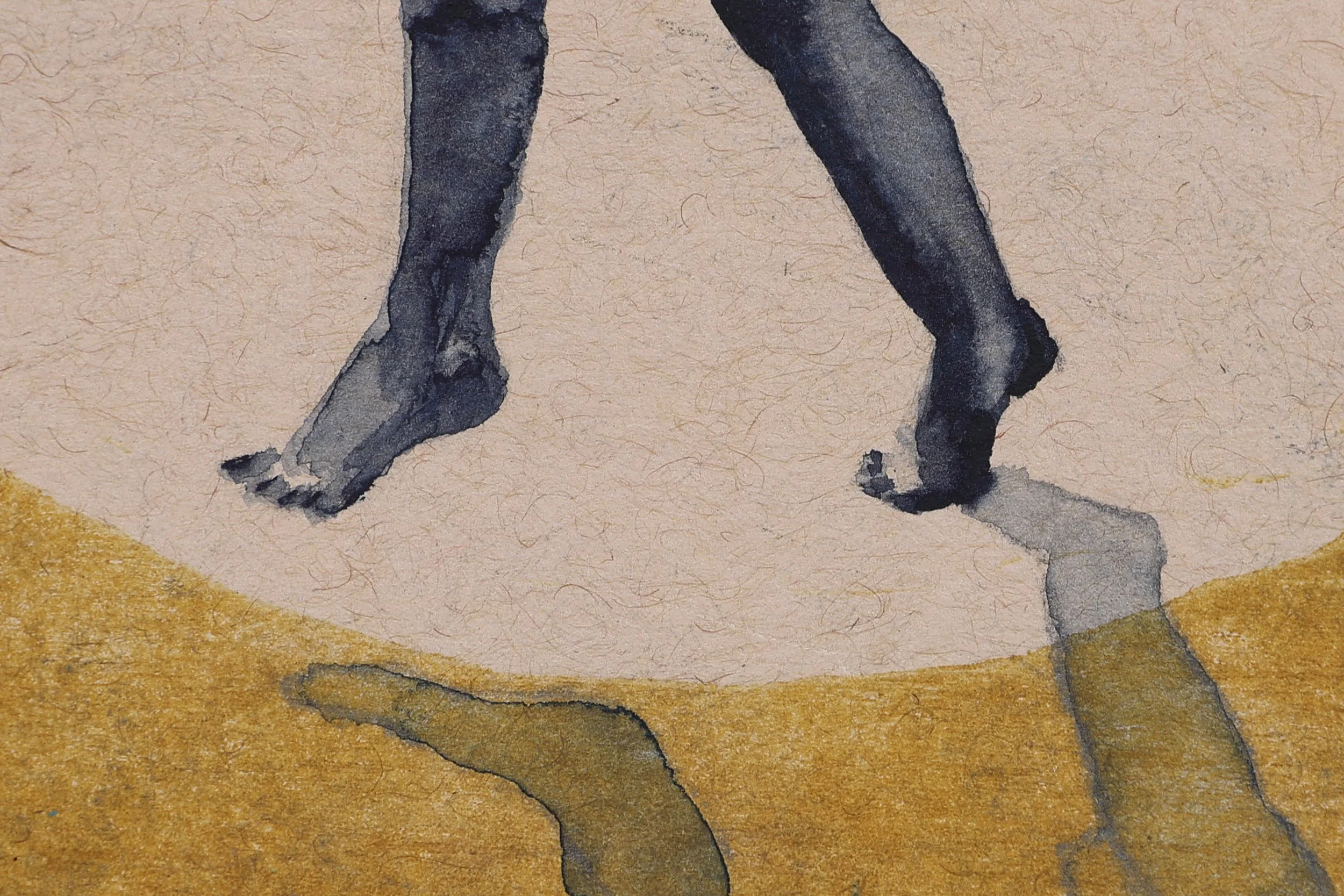
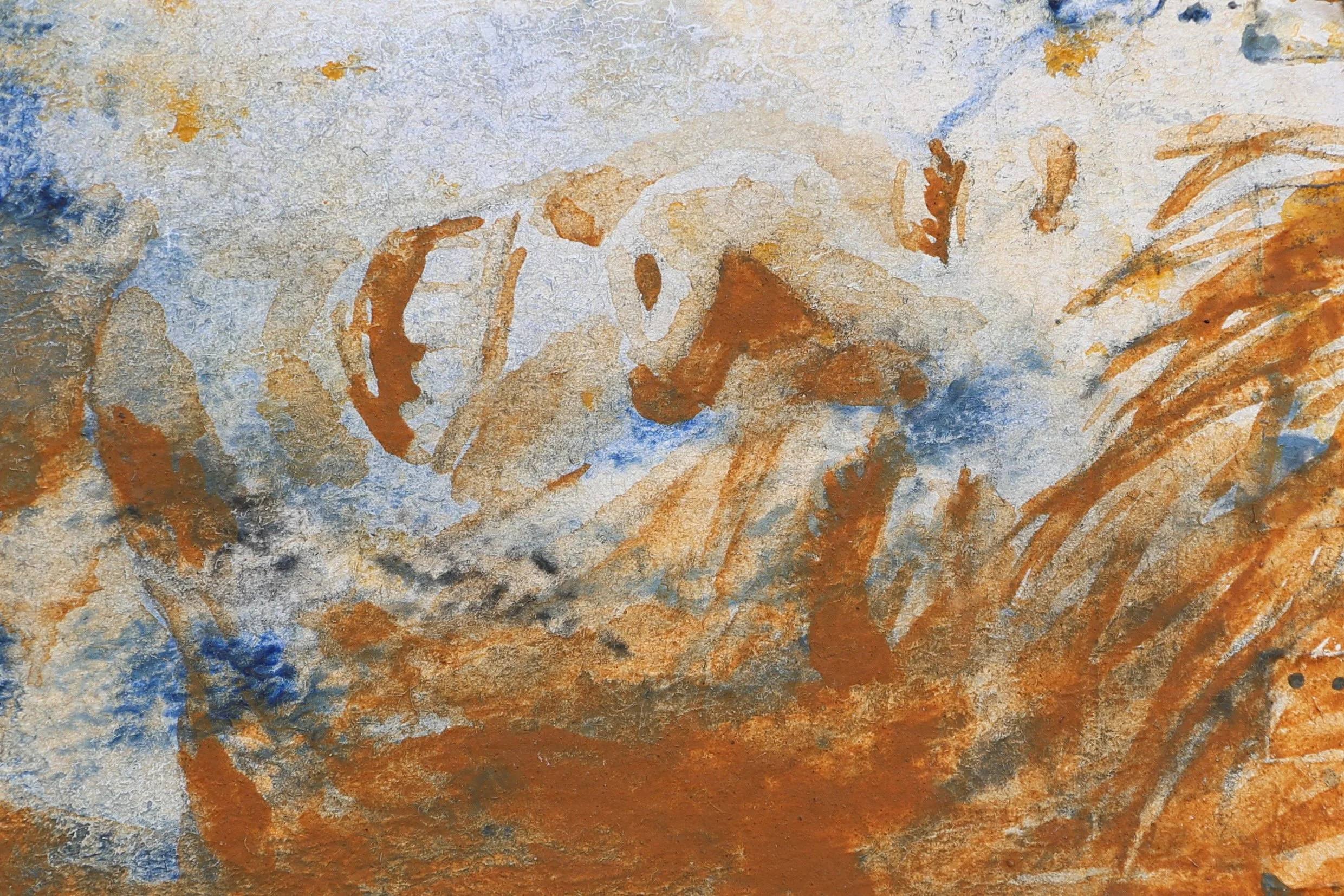
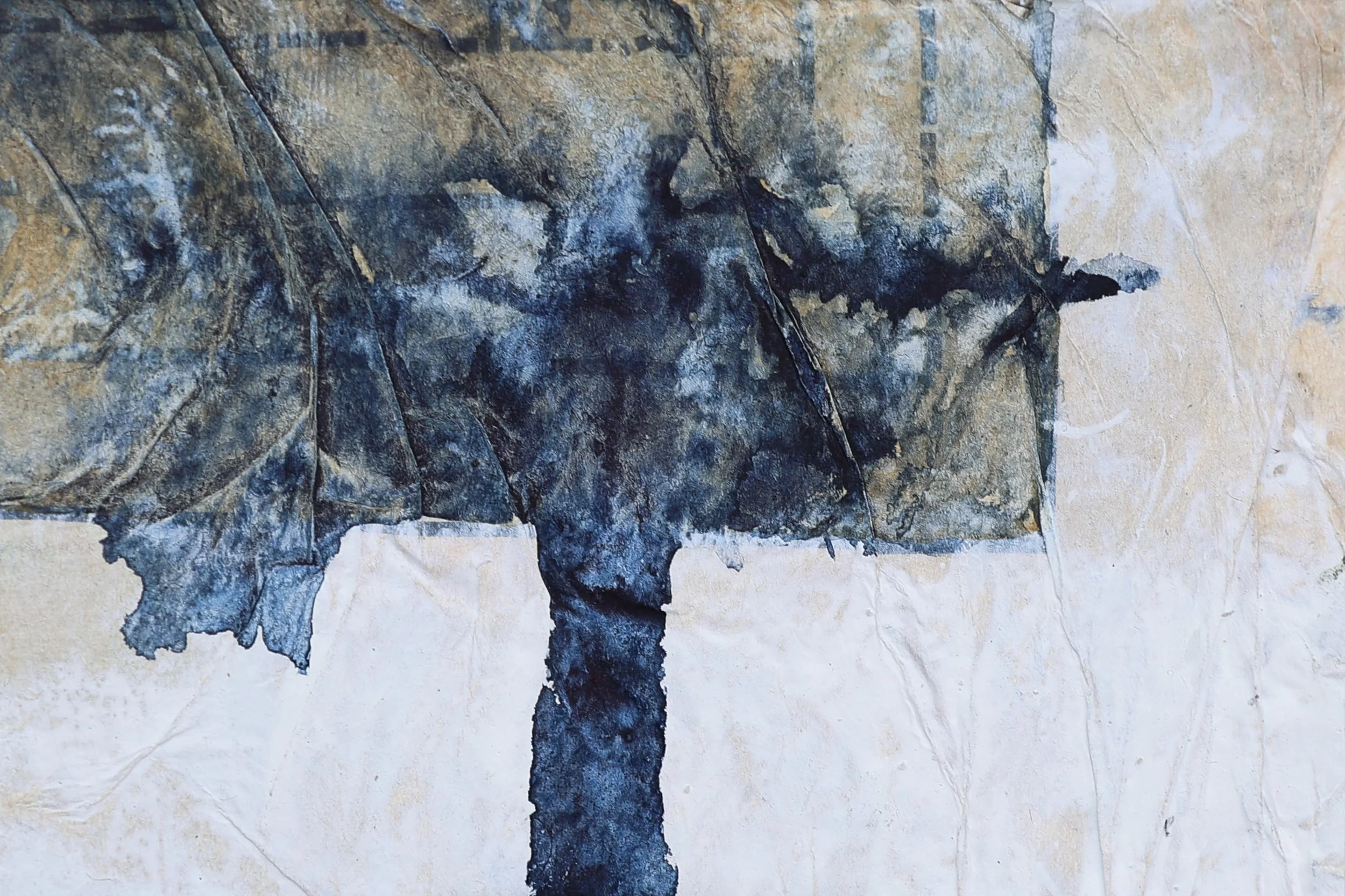
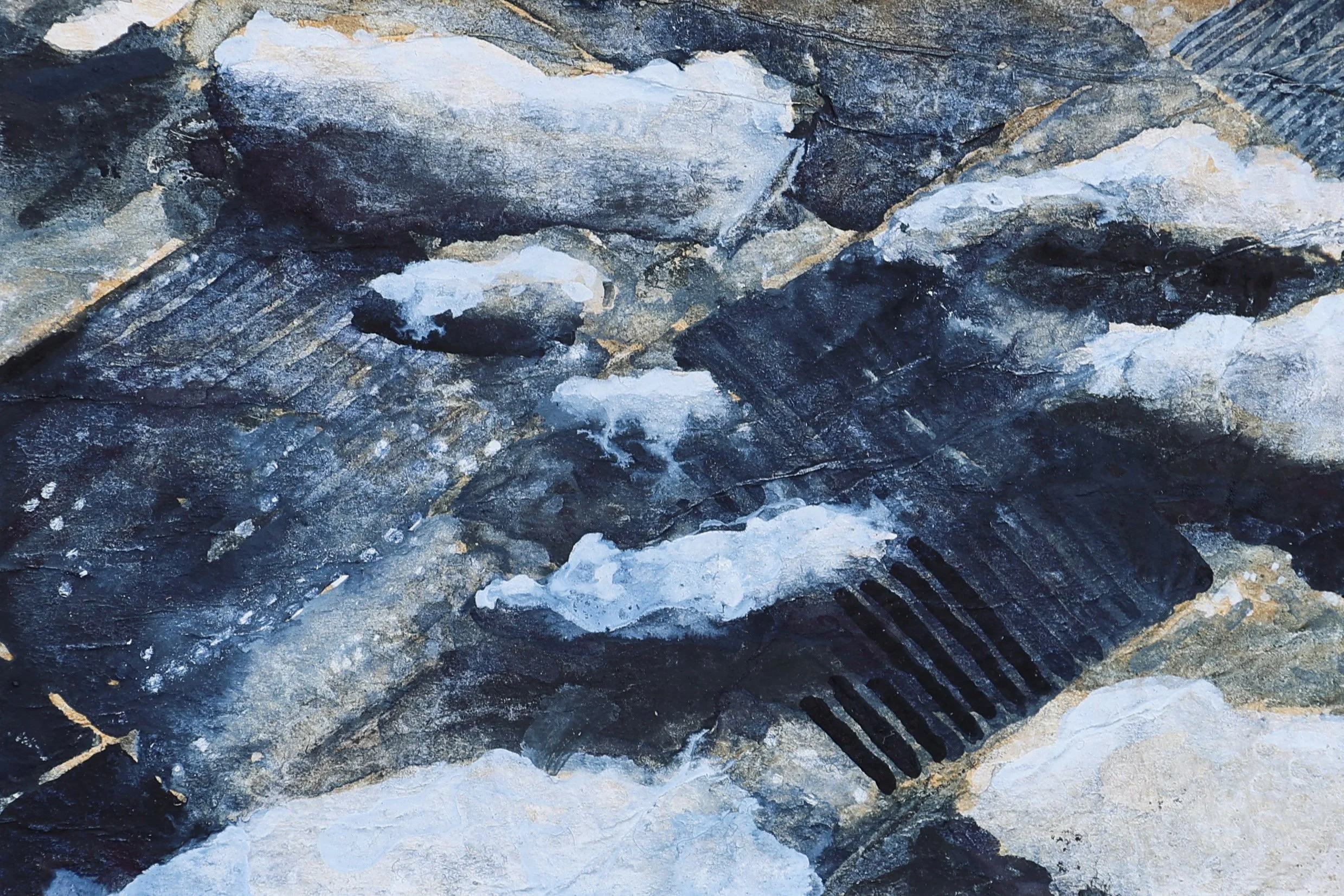
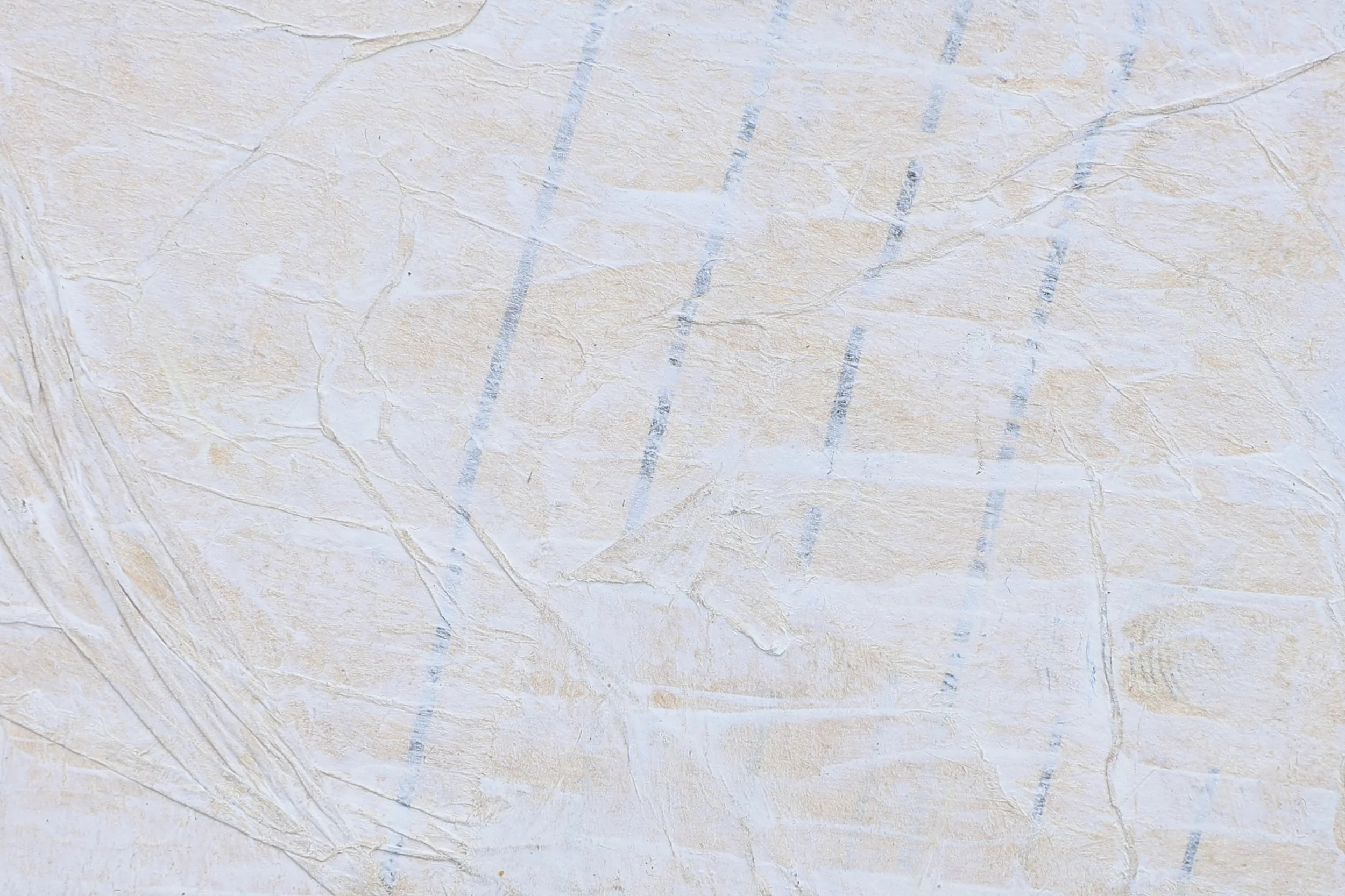
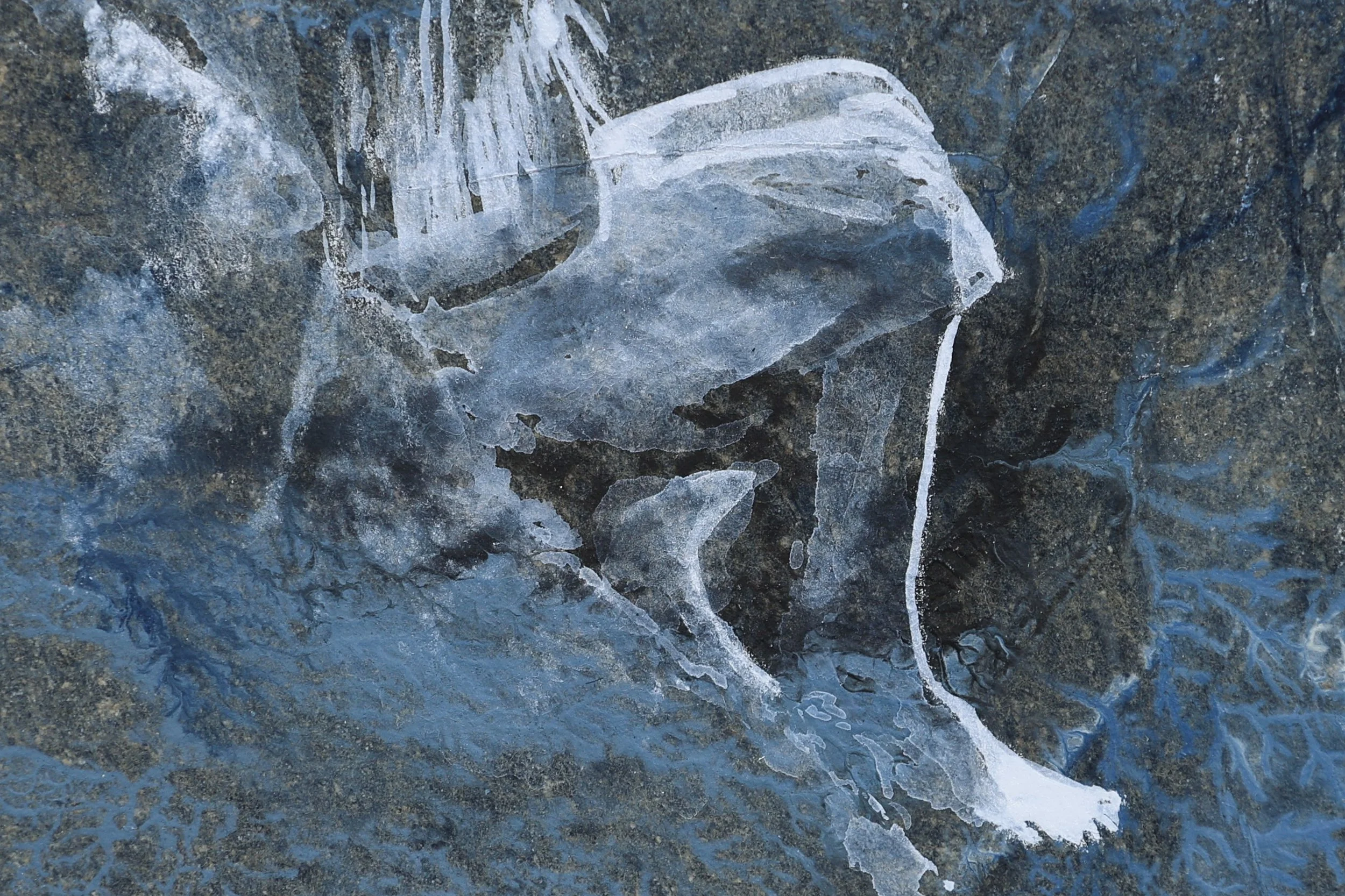
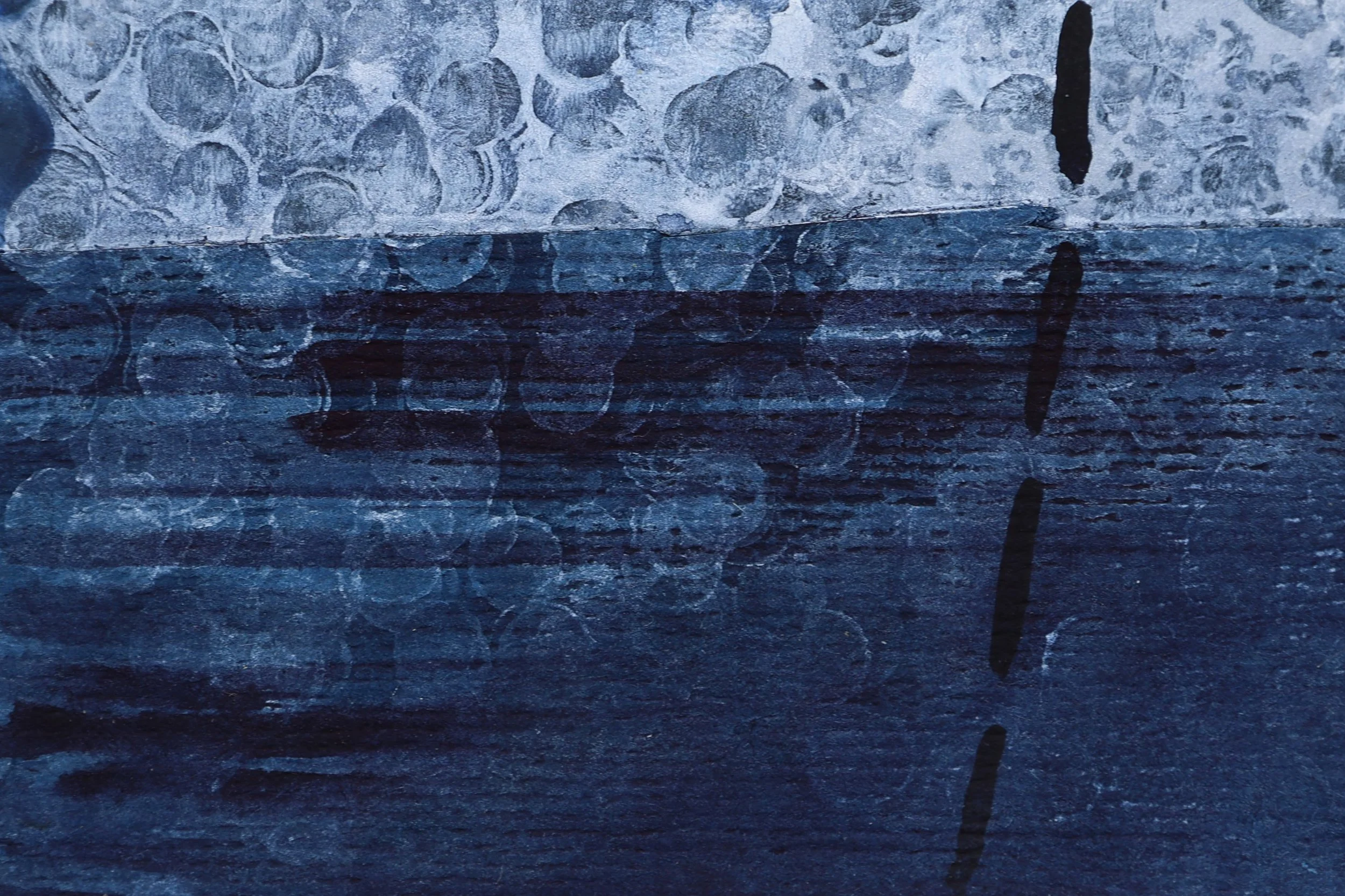
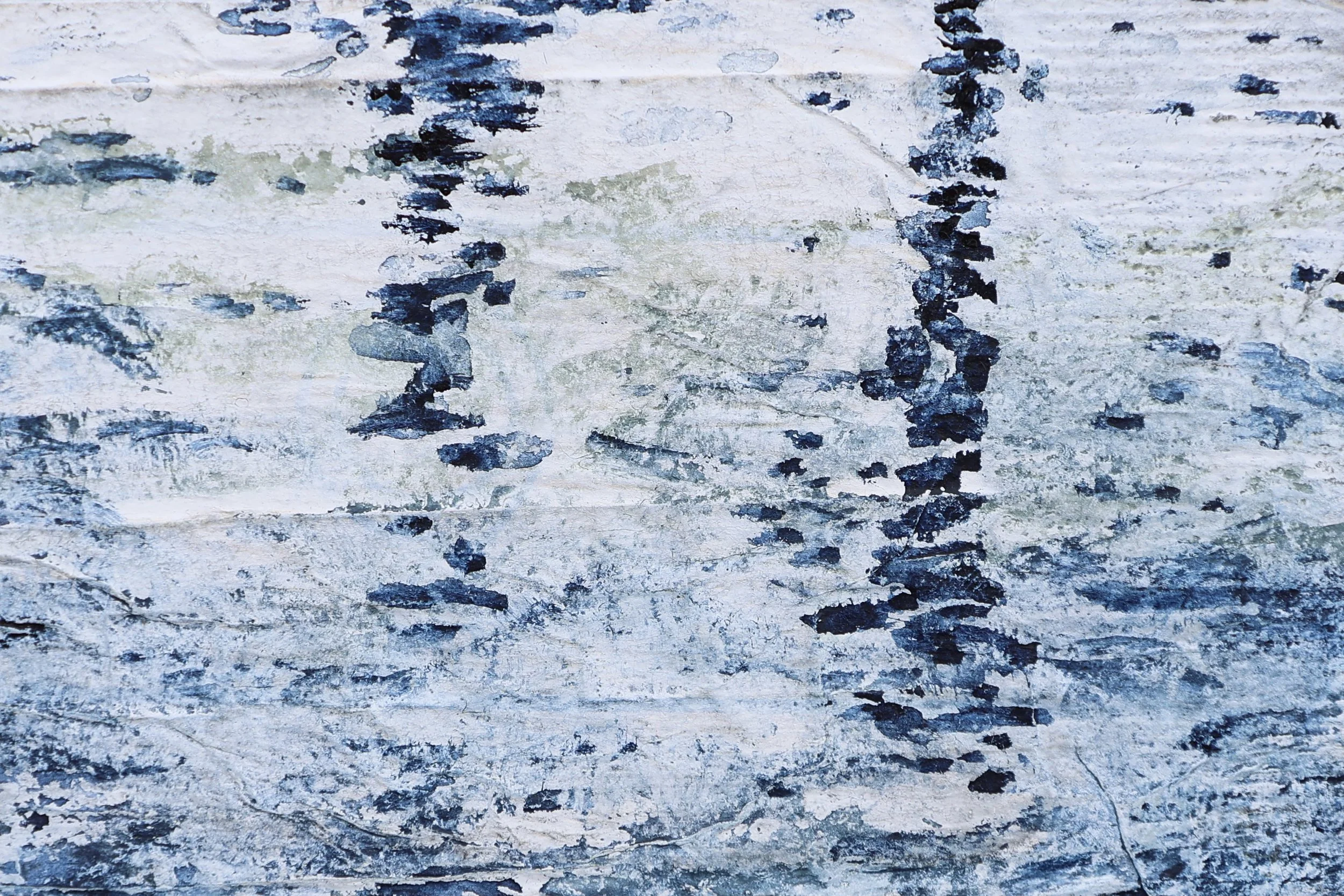
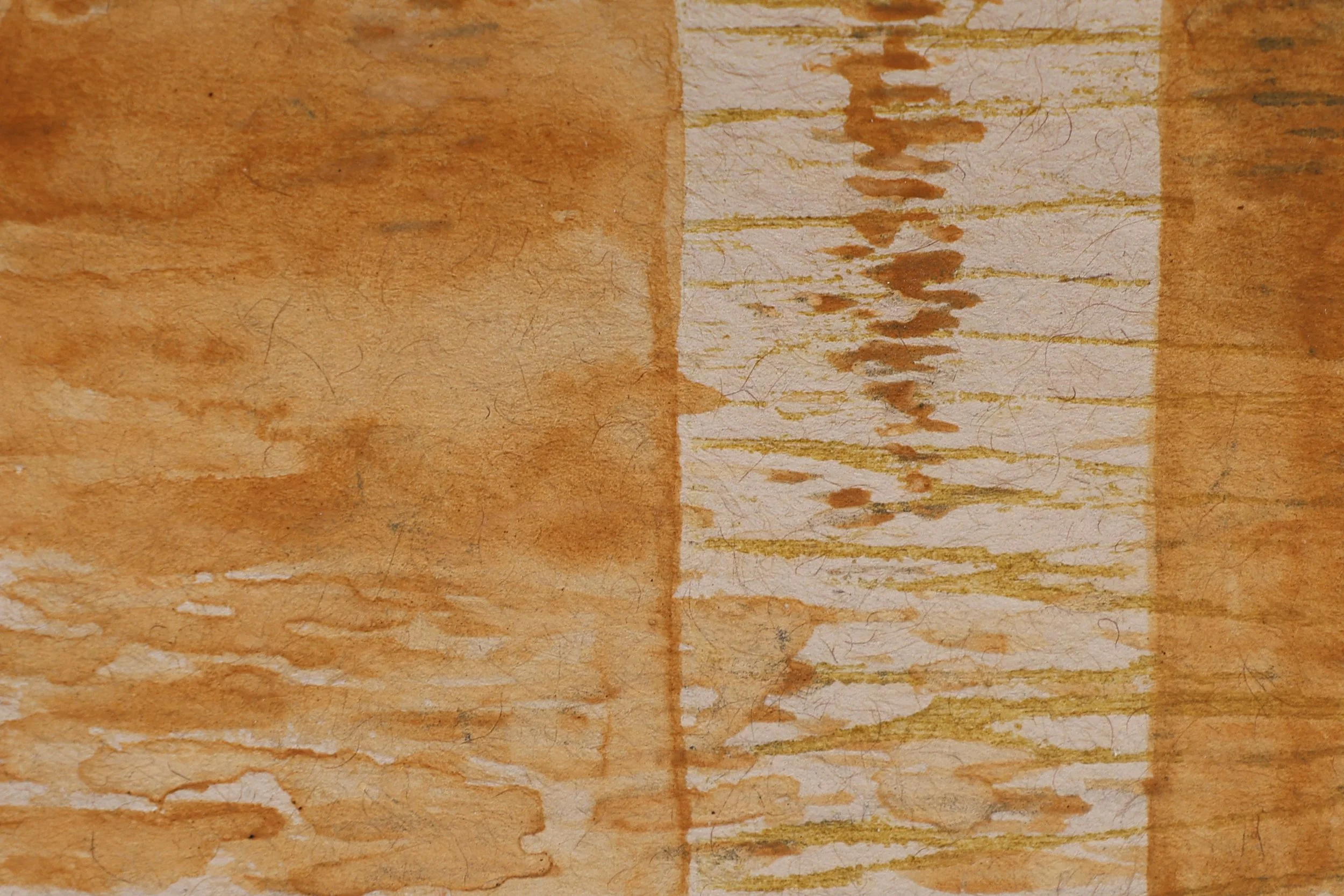
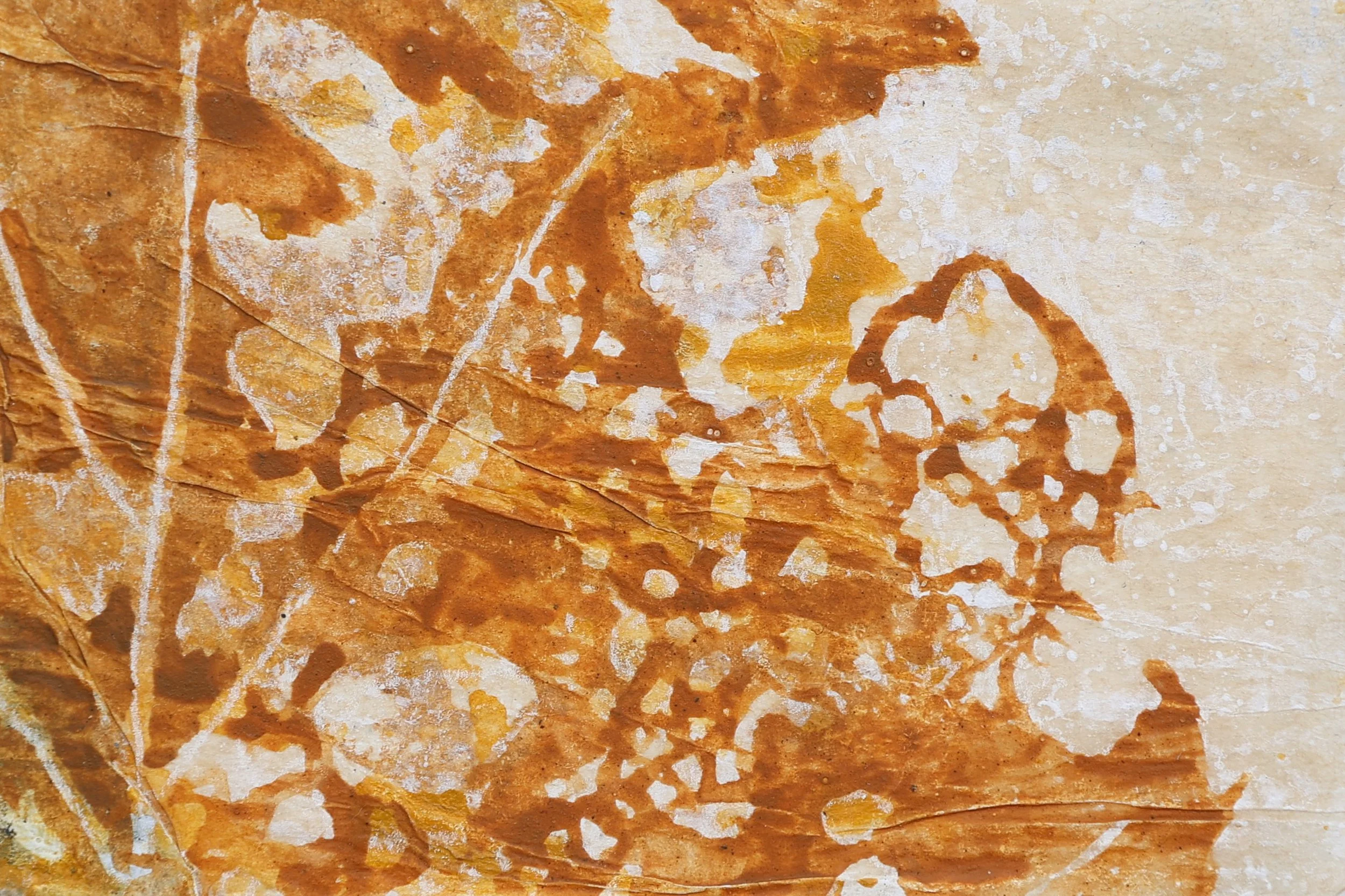
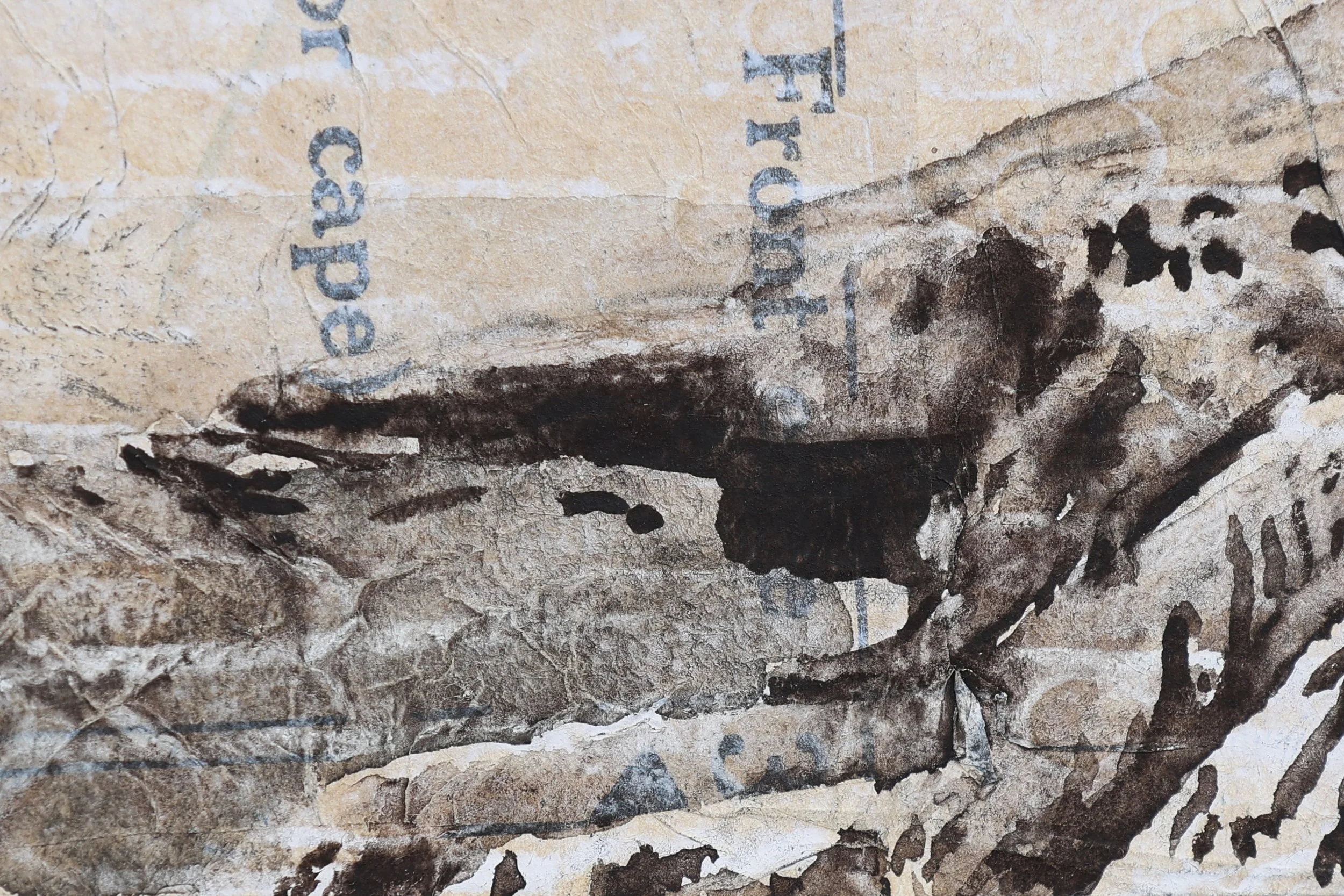
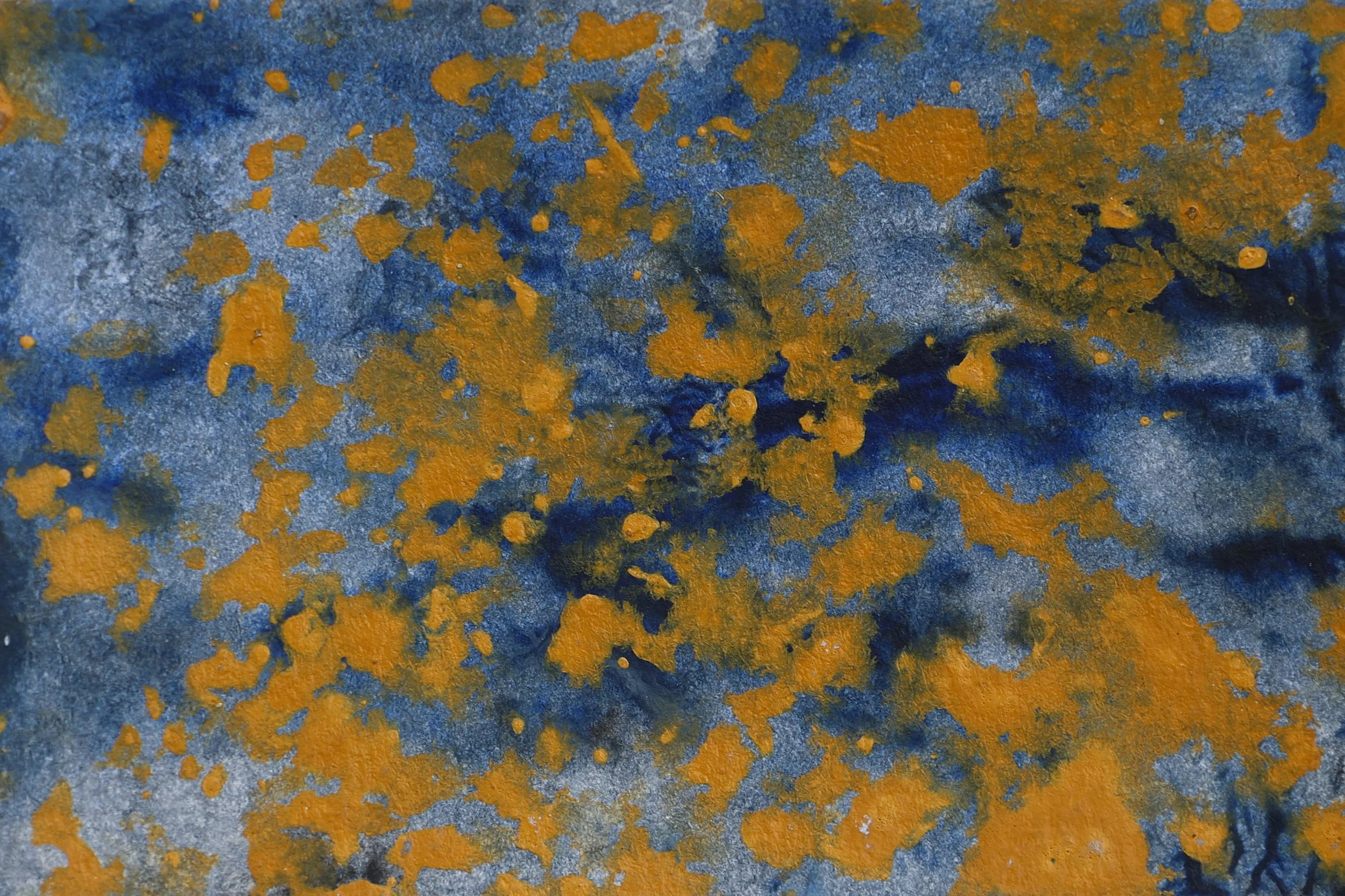
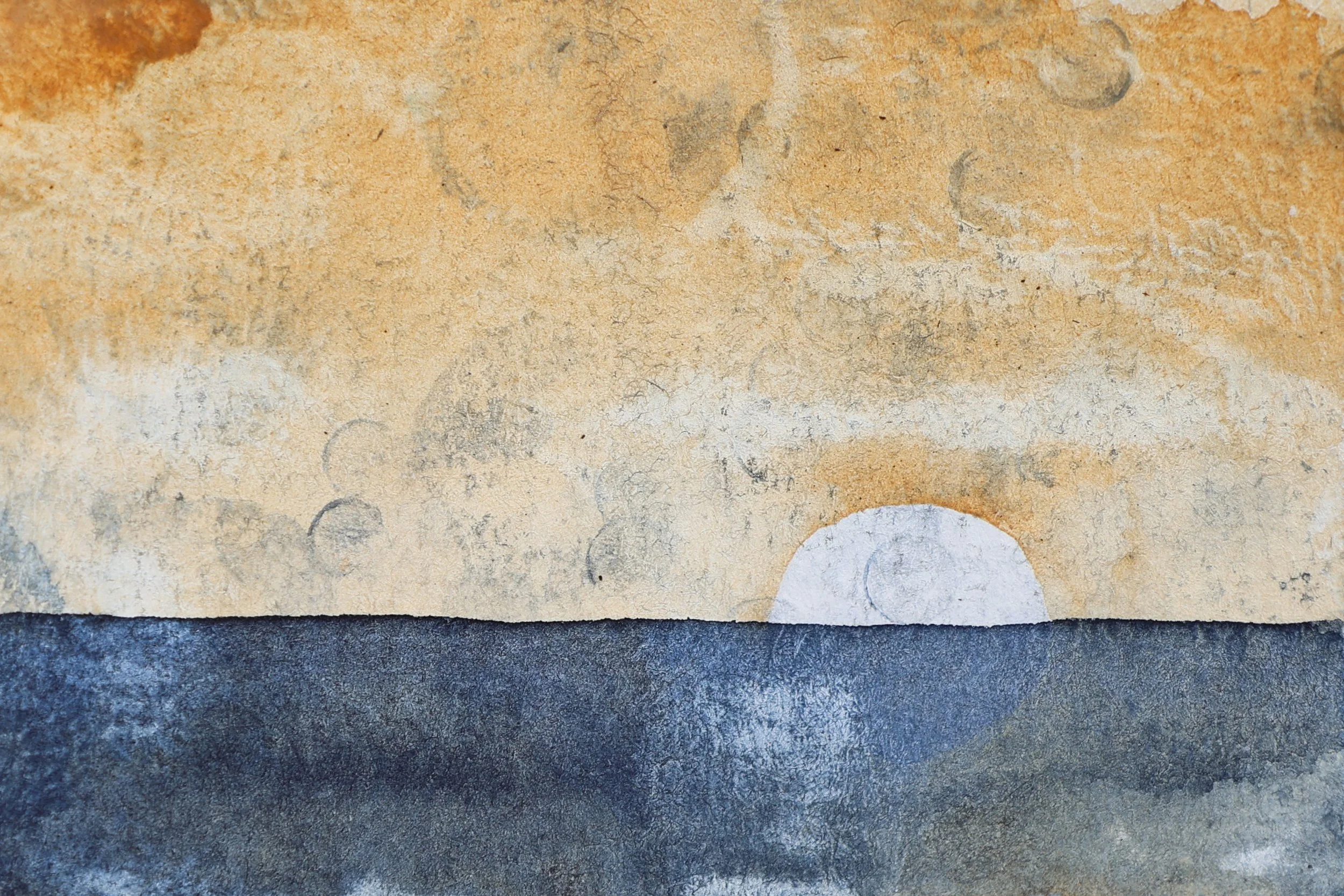
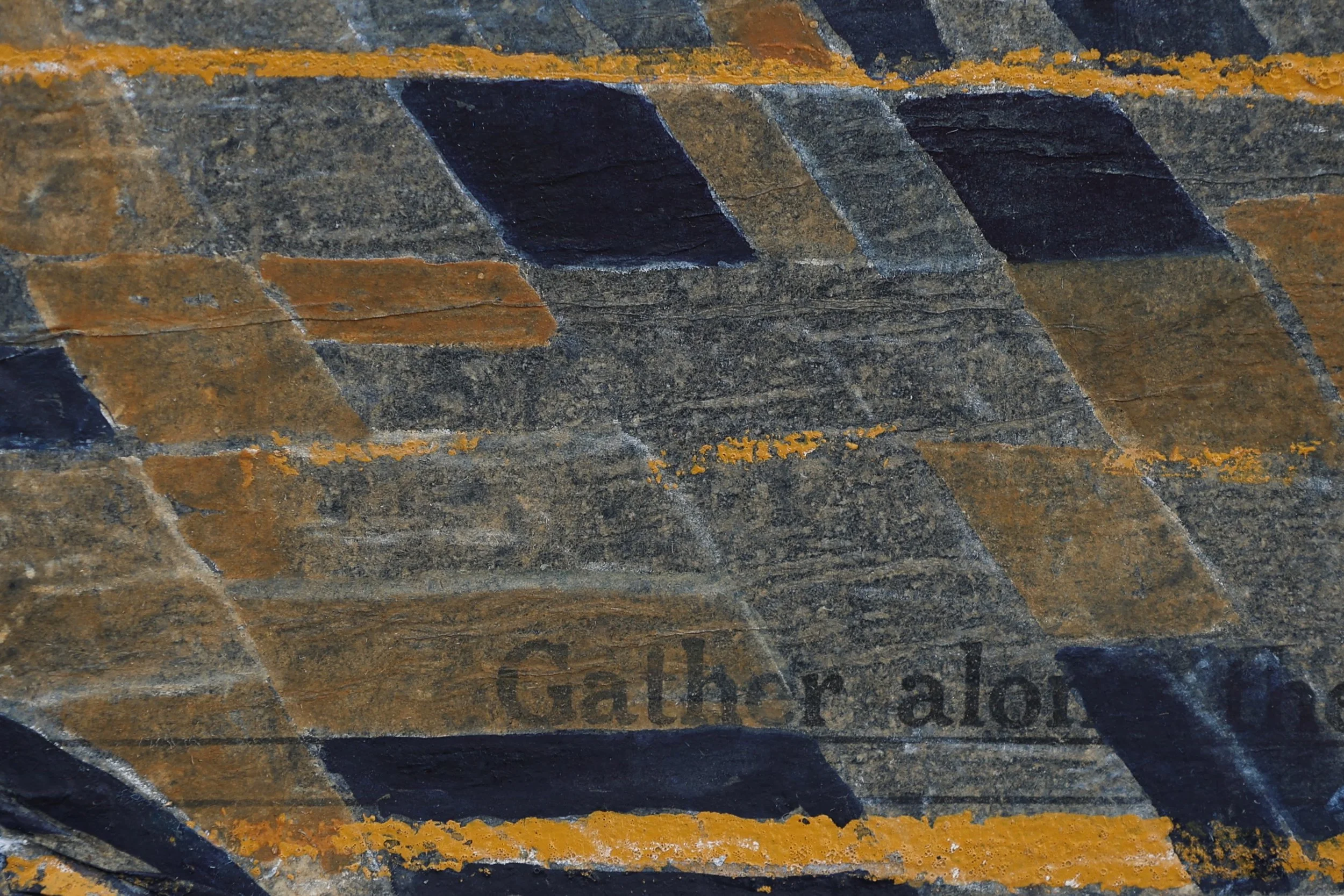
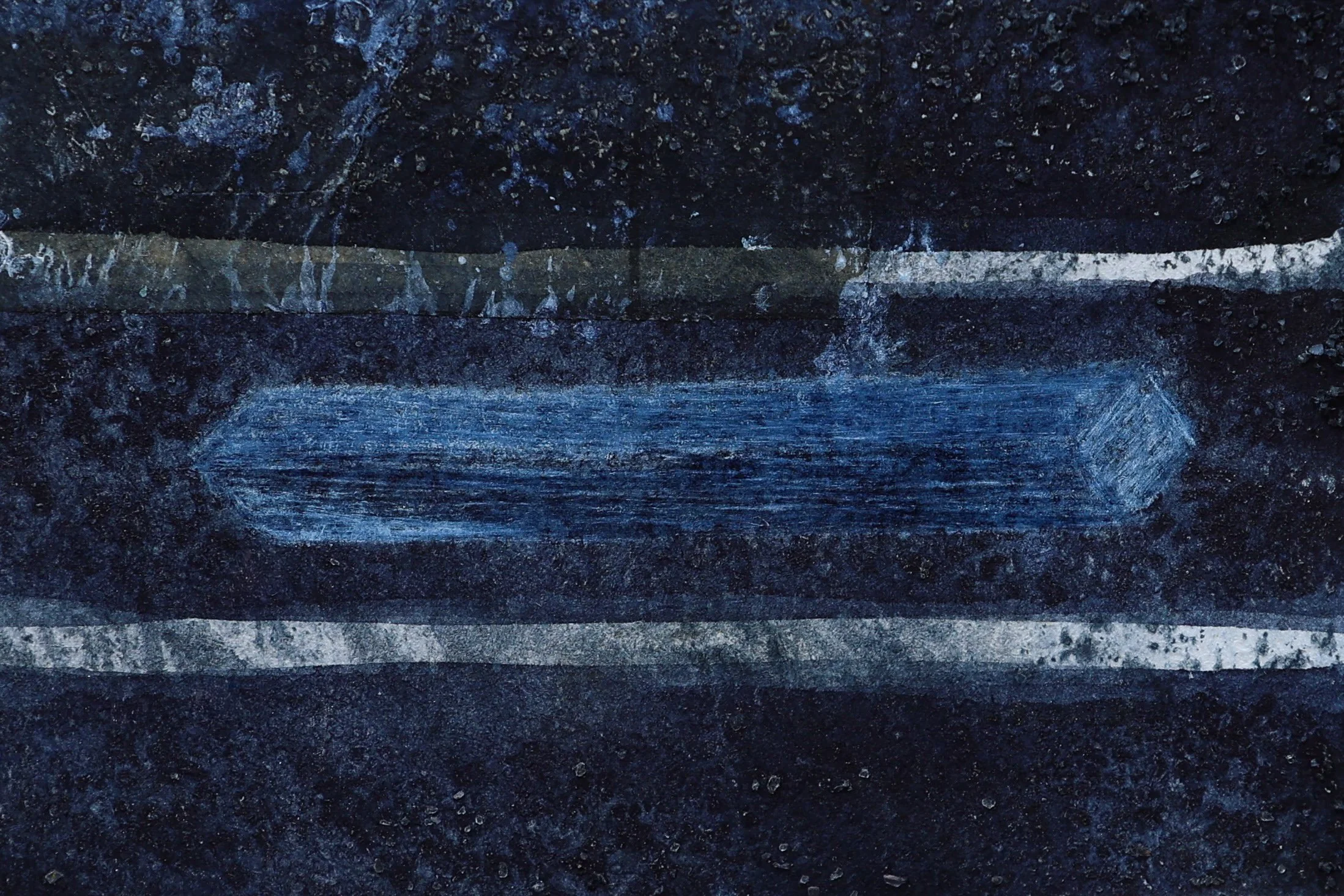
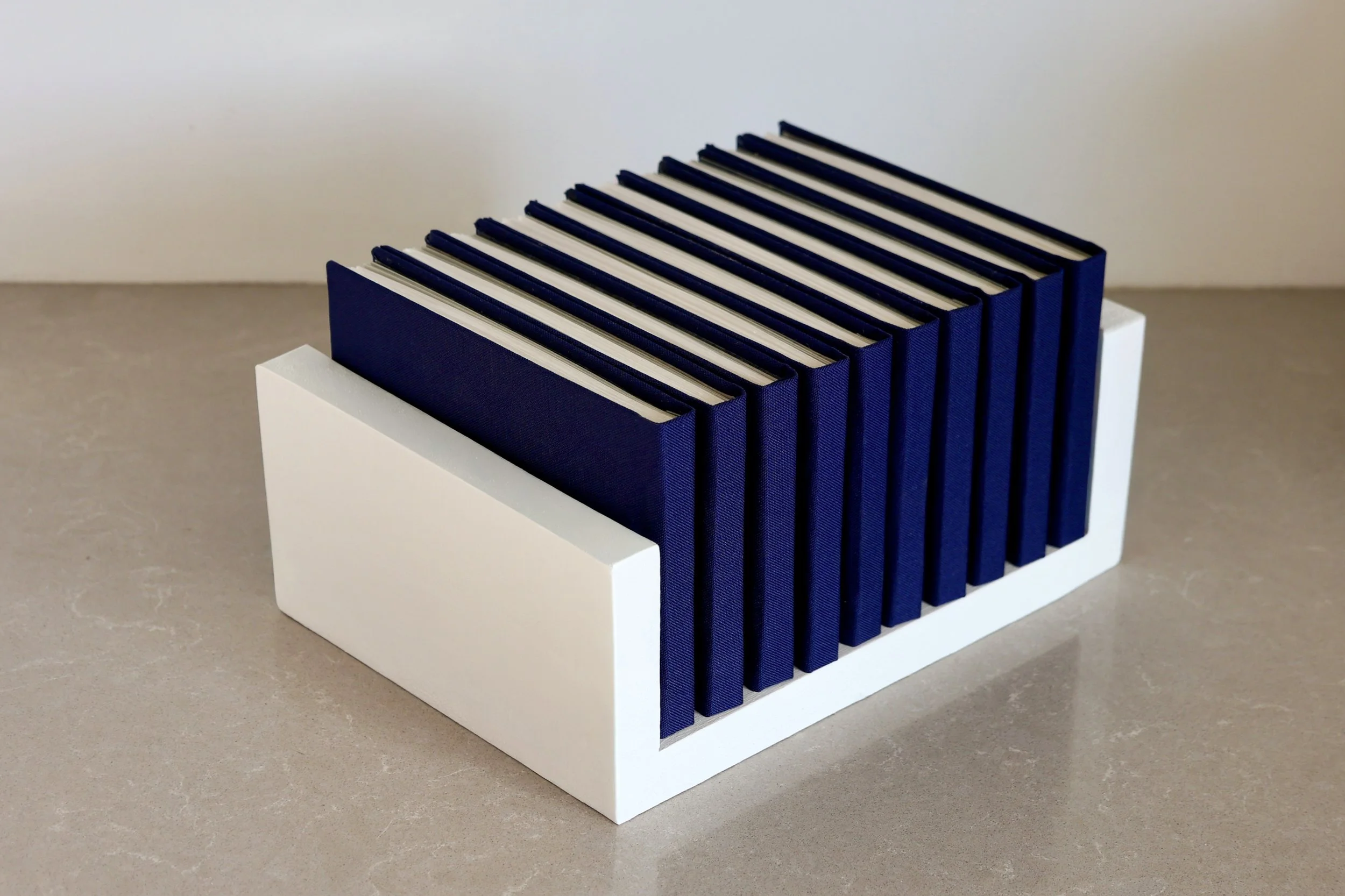
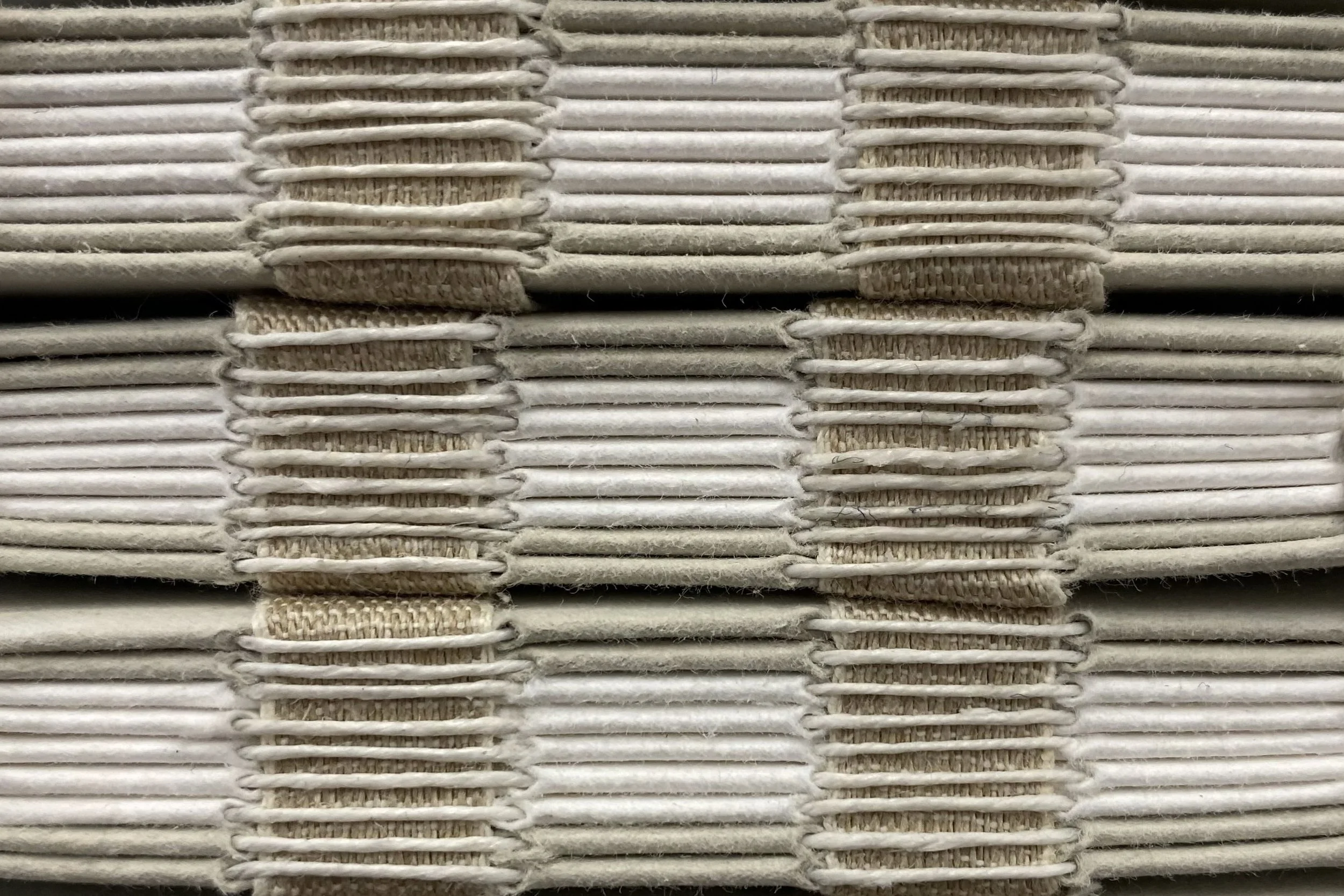
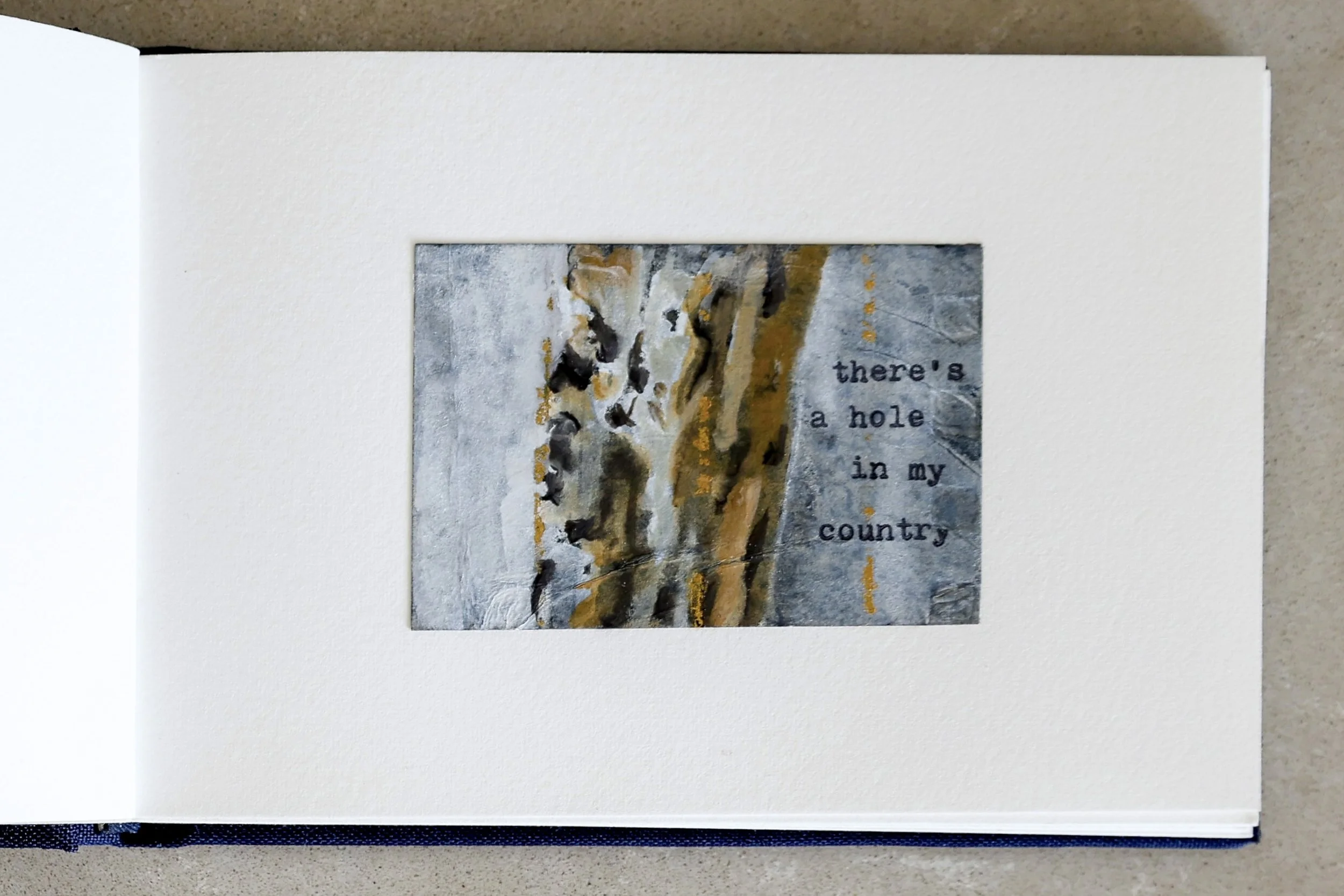
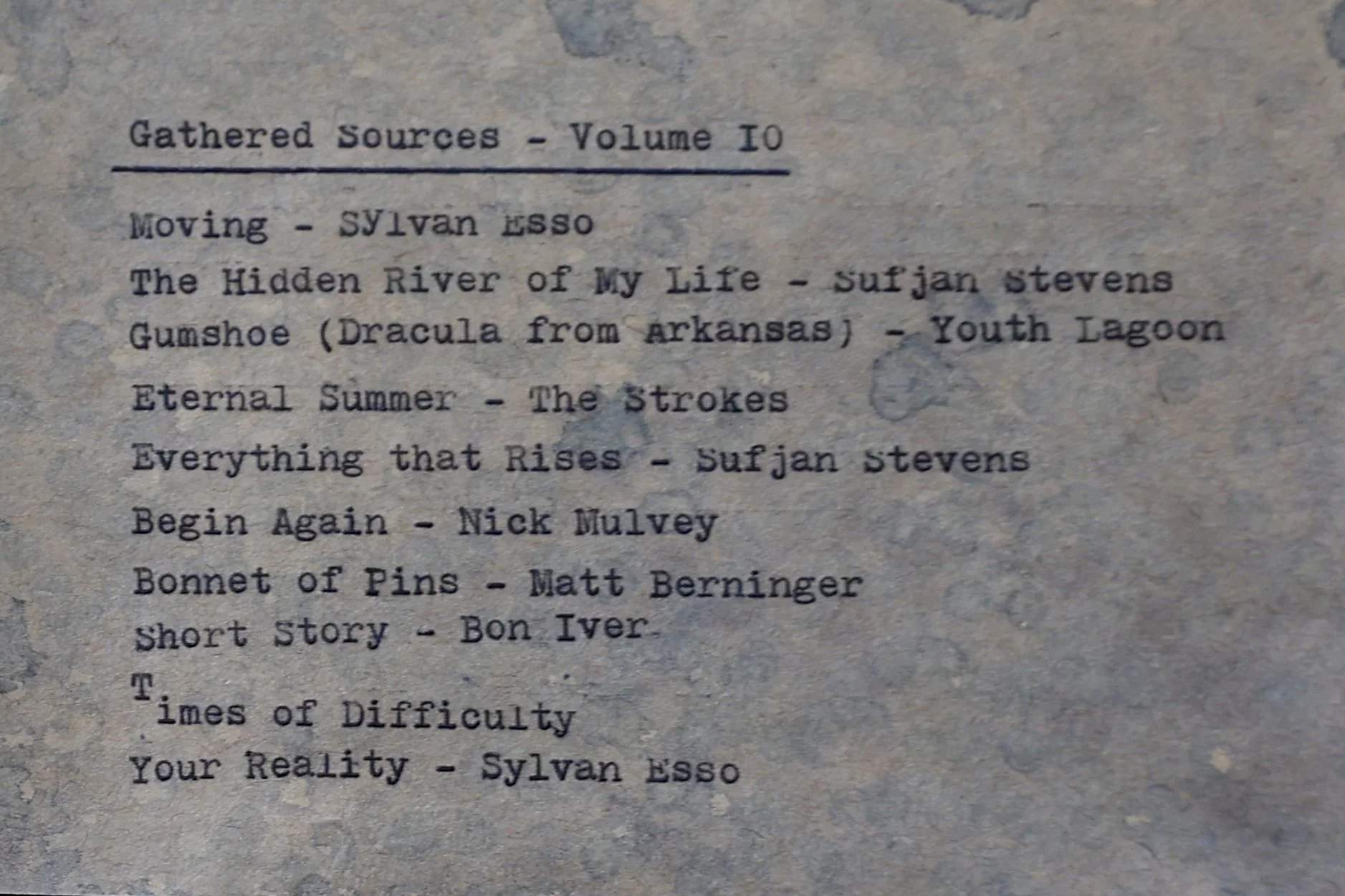
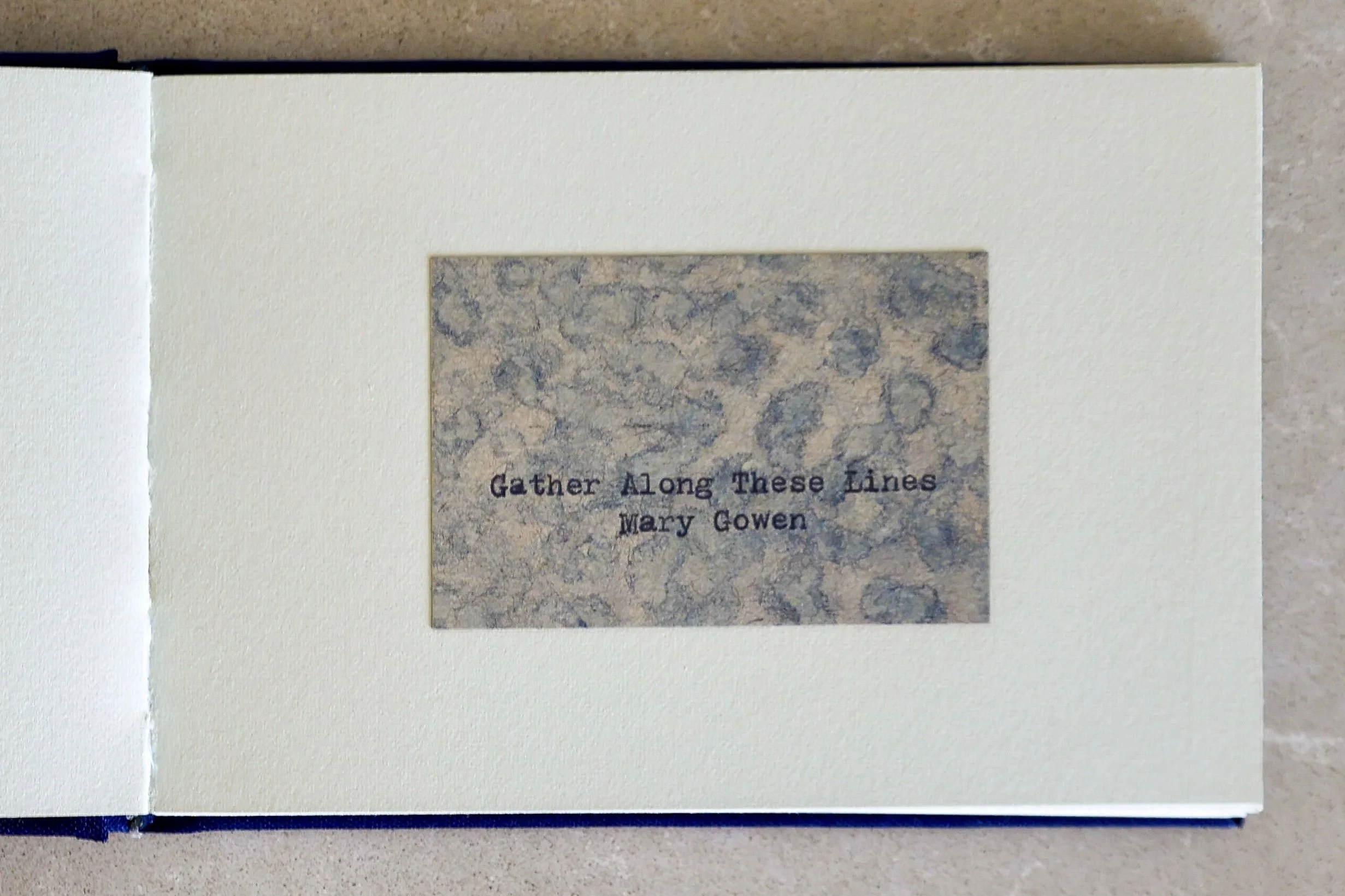
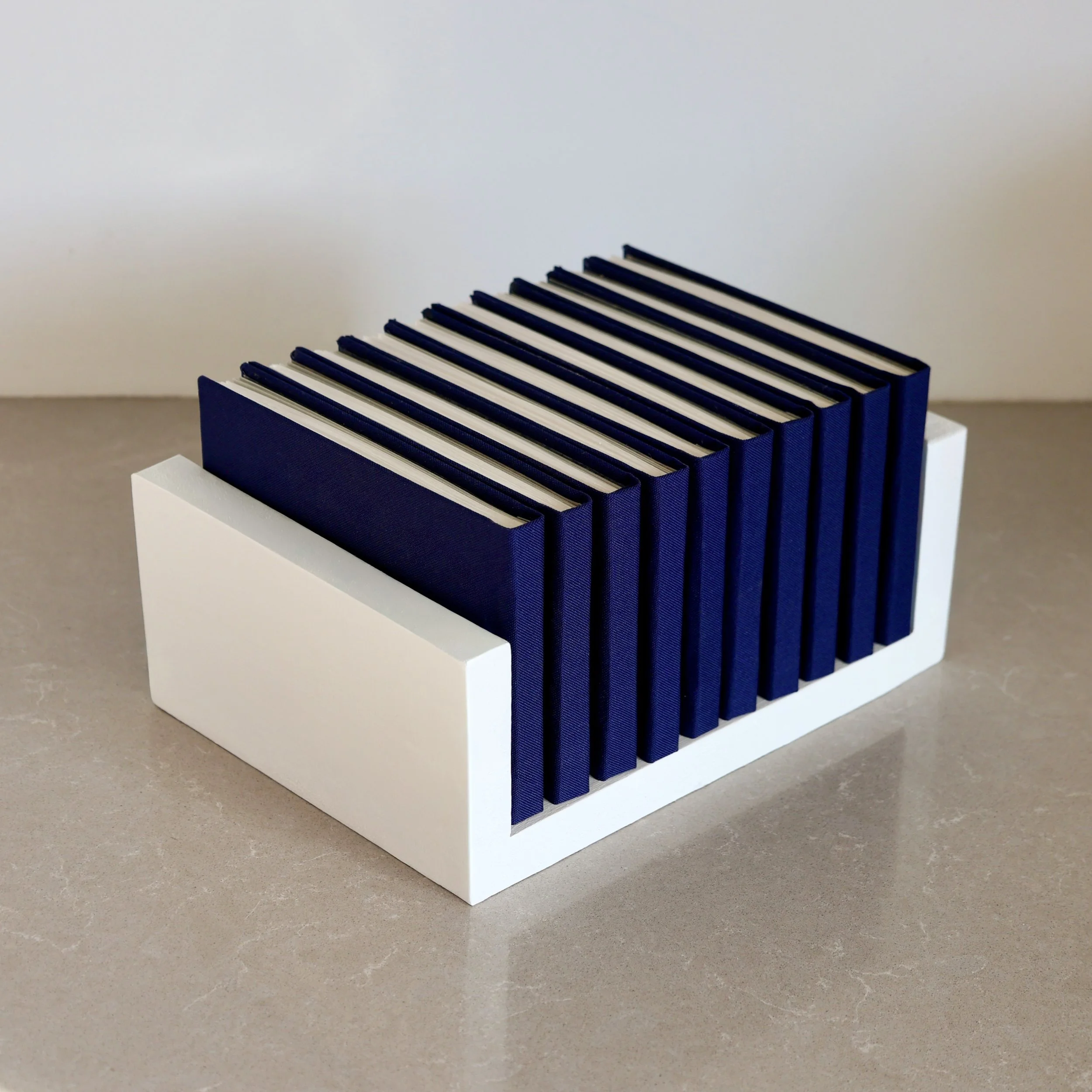
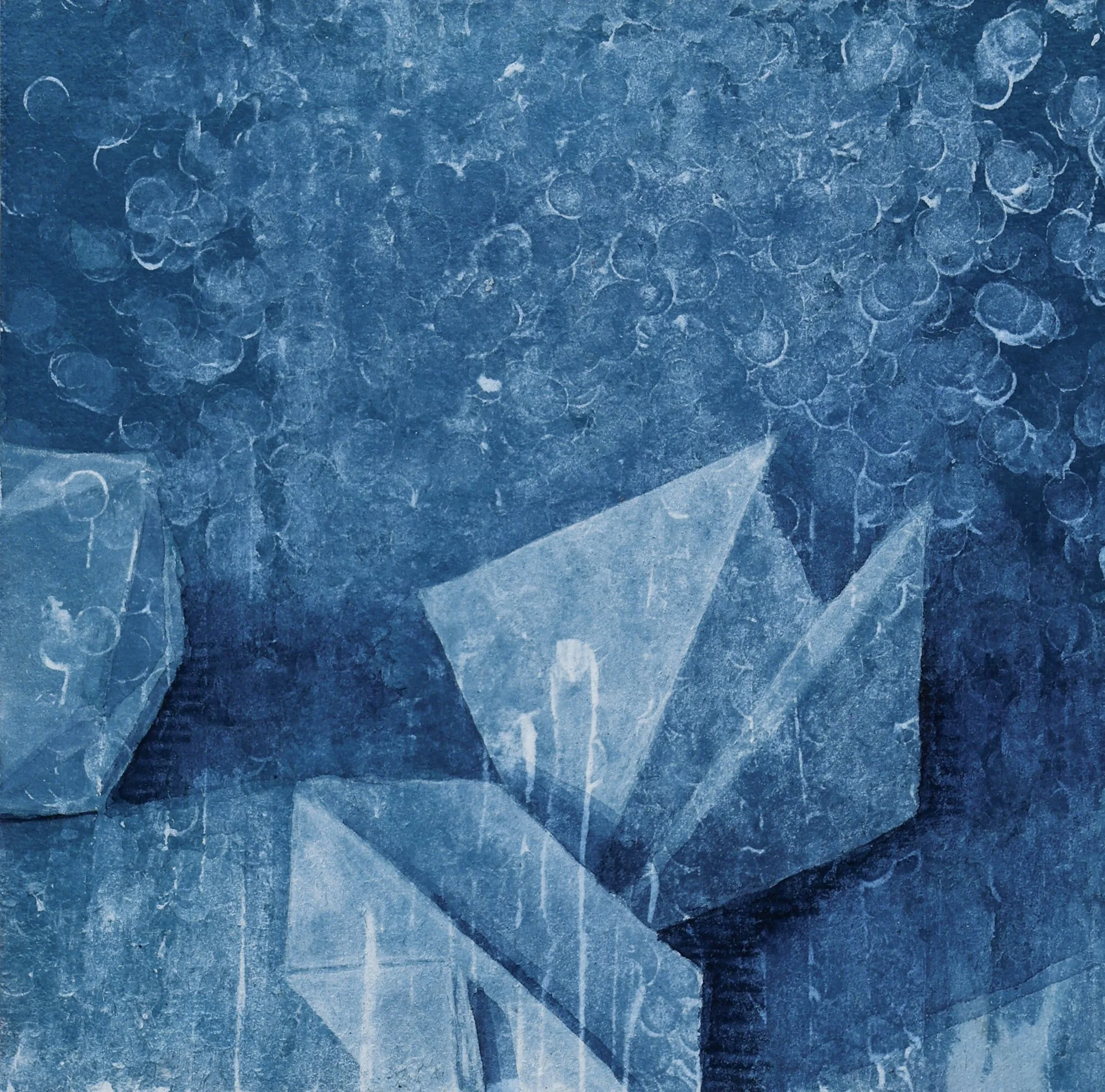
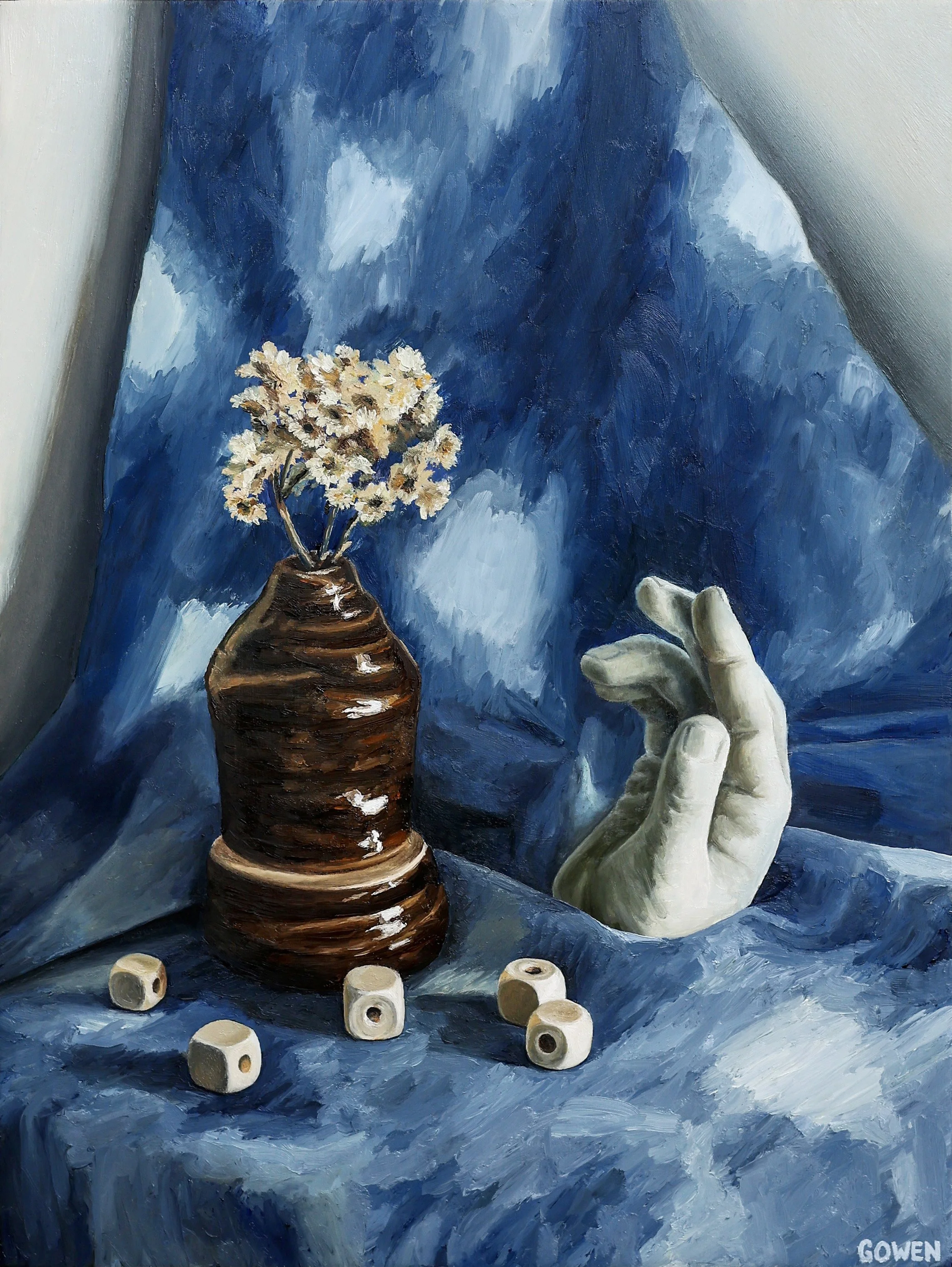
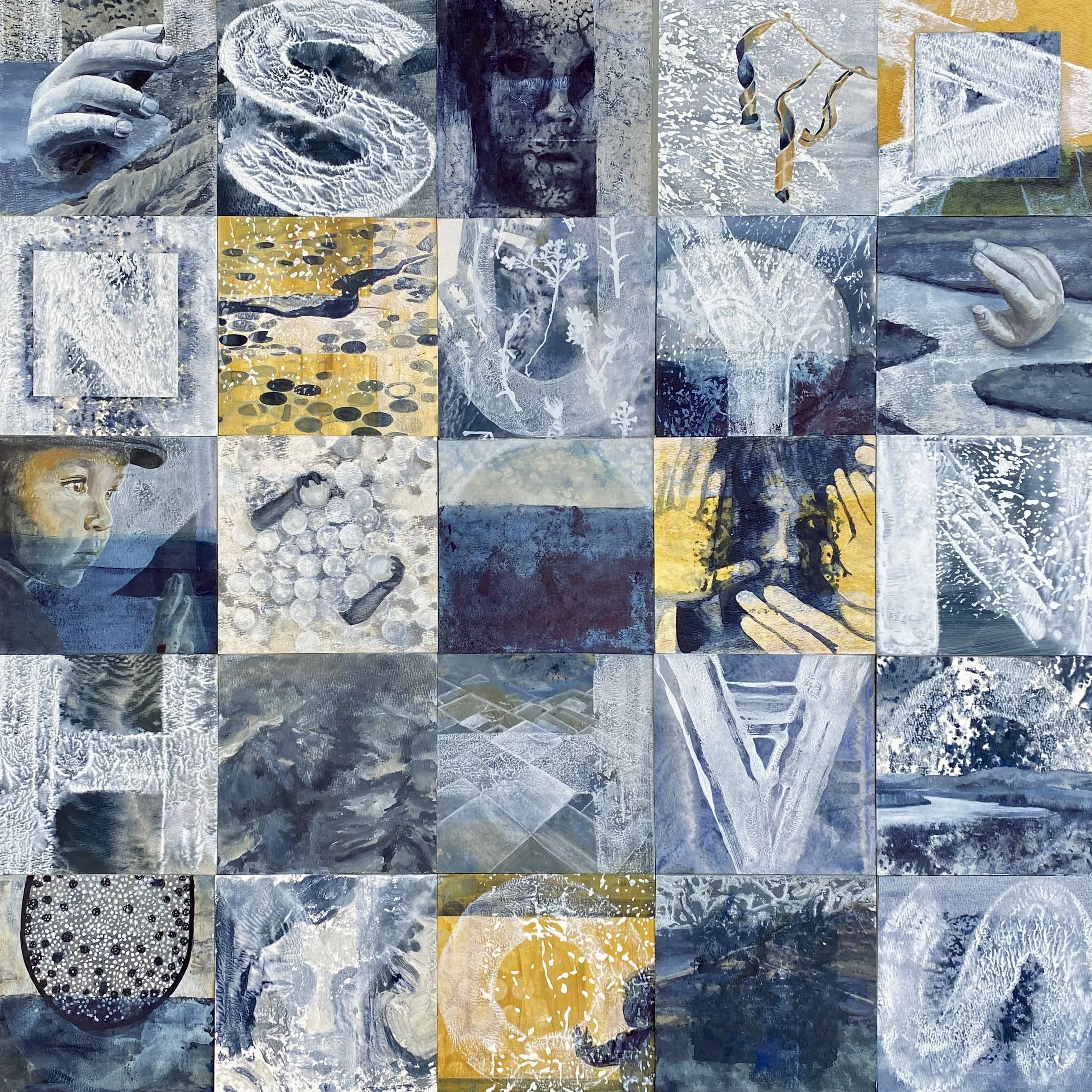
Gather Along These Lines is a series of ten hand-bound books (4” × 6”) that function as a quiet manifesto for epistemic plurality. The project challenges the dominance of empirical, linear, and verbal knowledge by centering intuitive, affective, and non-linear ways of knowing—modes historically marginalized within academic, institutional, and cultural knowledge systems.
The book form is used intentionally. As a container historically associated with authority, scholarship, and legitimacy, the codex carries expectations of coherence, explanation, and mastery. By filling these books with echolalic song fragments, repetition, and intuitive language, the work subverts those expectations. Meaning emerges through pattern, memory, affect, and relation rather than linear argument. In this sense, the series performs a form of epistemic resistance: asserting that intuitive knowledge does not need translation into dominant epistemic forms in order to belong.
Process is central to the work. The slow, repetitive labor of bookbinding created a rhythm of attention that contrasted sharply with the speed and fragmentation of contemporary knowledge production. Slowness became a material assertion of value—time itself functioning as a form of belief in the legitimacy of the work. This sustained, devotional pacing allowed intuitive knowledge to take shape, gain weight, and be held, rather than dismissed as fleeting or incomplete.
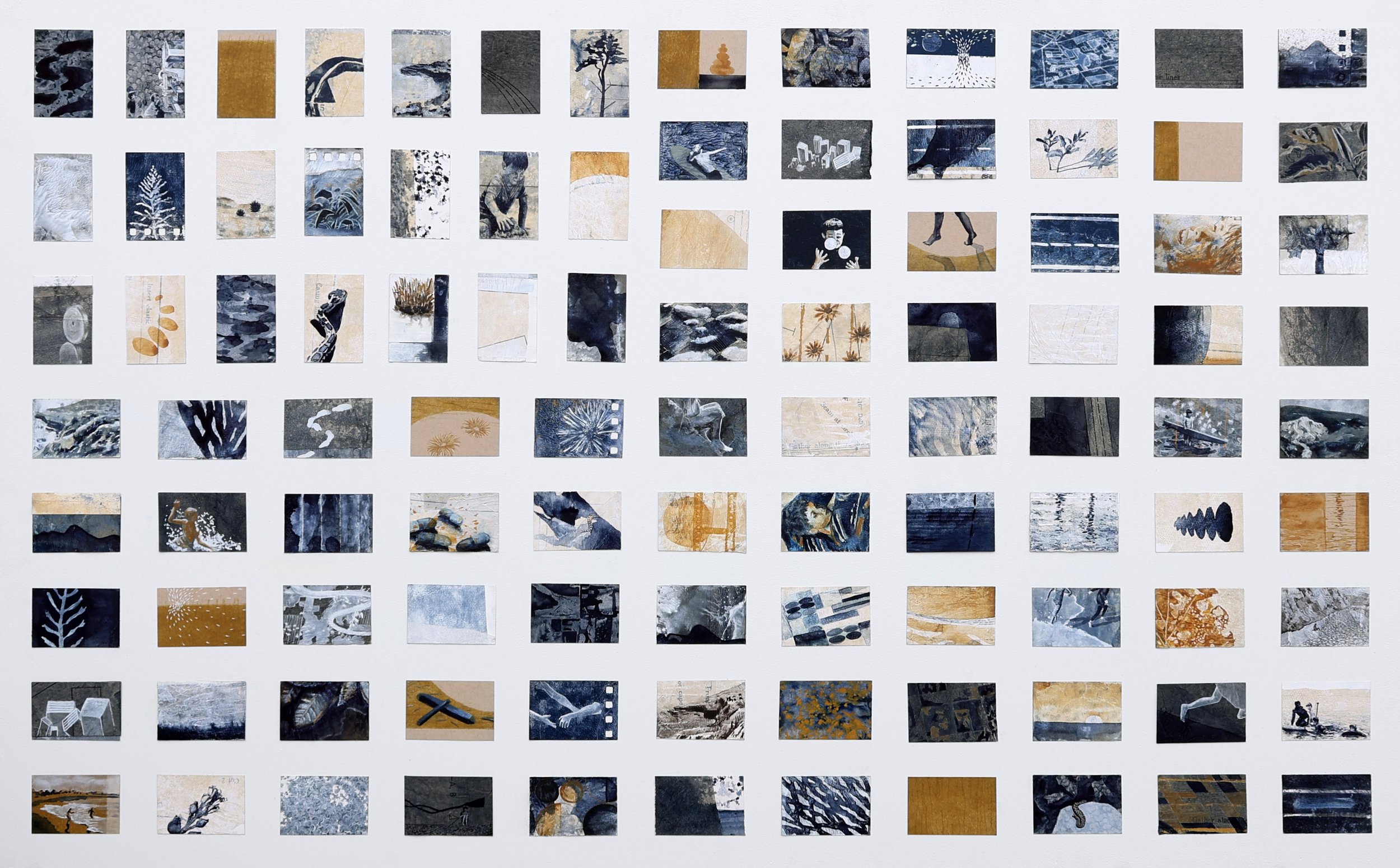
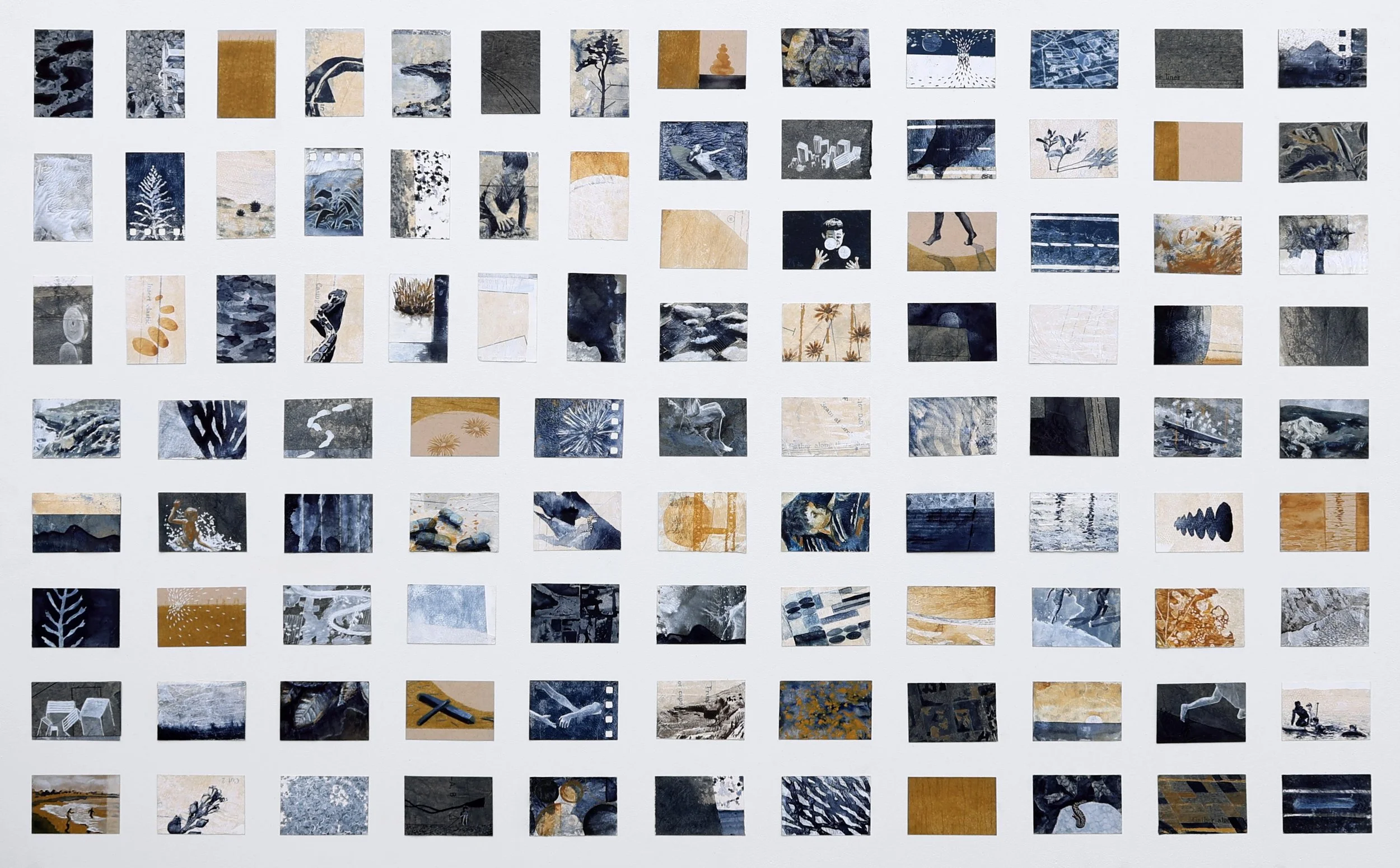
The series is also autobiographical, articulating lived experiences of neurodivergence, intergenerational patterning, fractured infrastructures of care, and the complexity and joy of neurodivergent parenting. The repeated textual fragments mirror how intuitive cognition often operates: fragmentary, recursive, and relational, accumulating meaning through return rather than progression. Across the ten books, one hundred distinct textual lines appear—each corresponding to a painting from my parallel series of one hundred works titled Gather Along These Lines, linking the books and paintings as reciprocal sites of intuitive knowledge-making.
In relation to my broader research on epistemic sovereignty, Gather Along These Lines operates as both artwork and infrastructure. It models a knowledge environment in which sensory, affective, and non-verbal cognition can exist without being subordinated to explanation. Rather than opposing rationality, the work insists on coexistence—on the necessity of diverse epistemic modes for a resilient and humane knowledge ecology.

2025
2” x 3” (Series of 100)
Acrylic, watercolor, ink, pencil, and salt on found paper, mounted on 48” x 30” panel
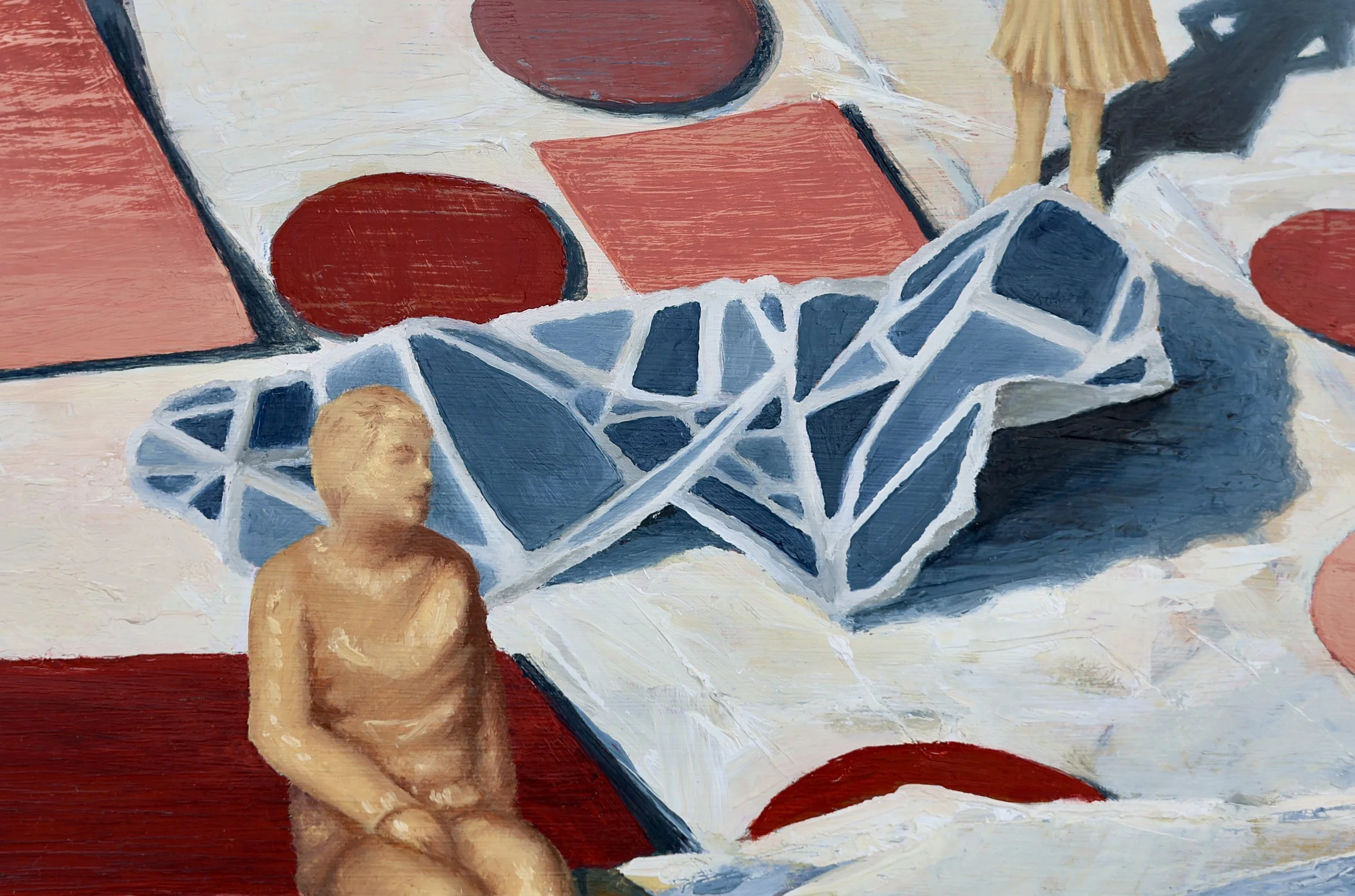
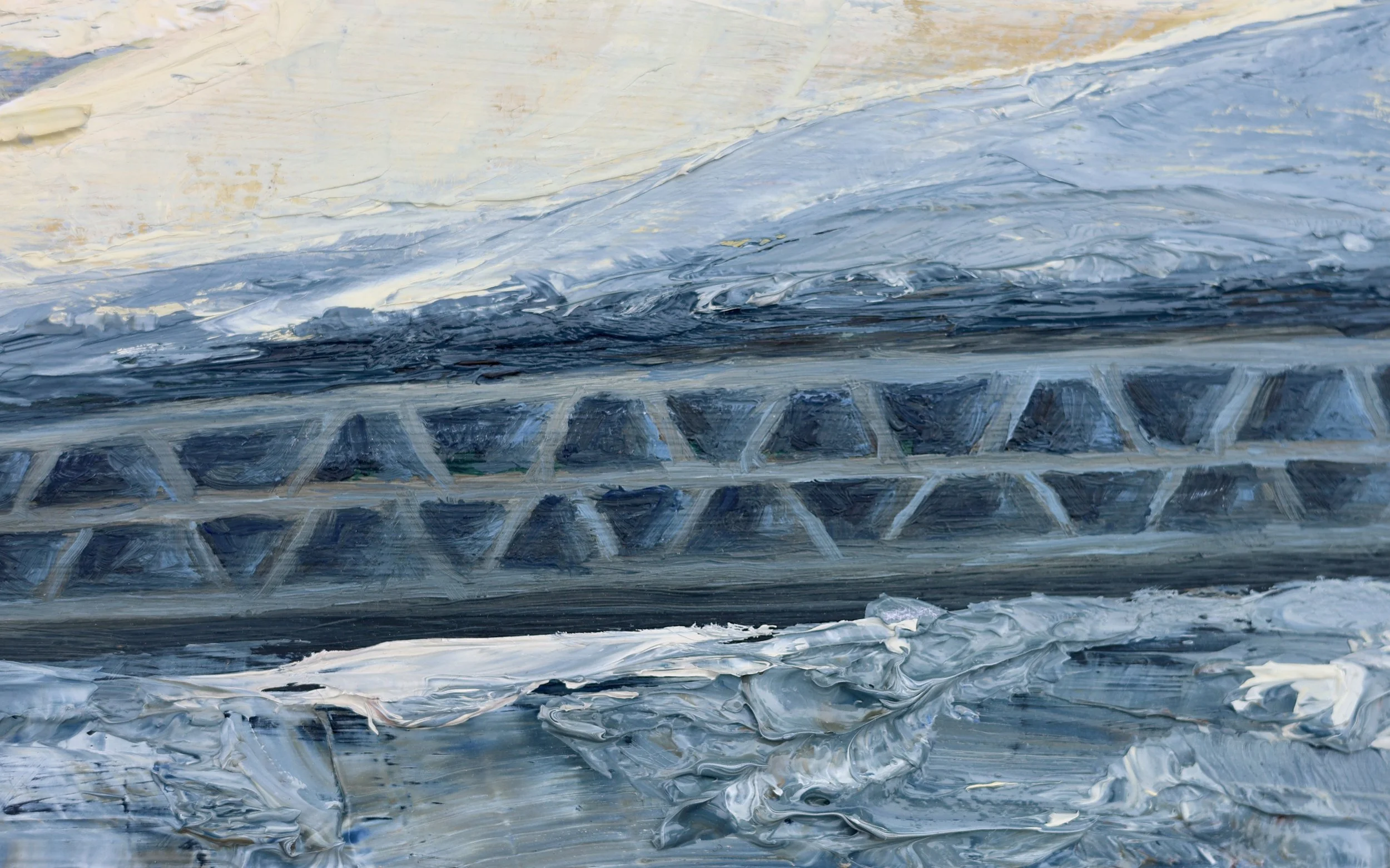
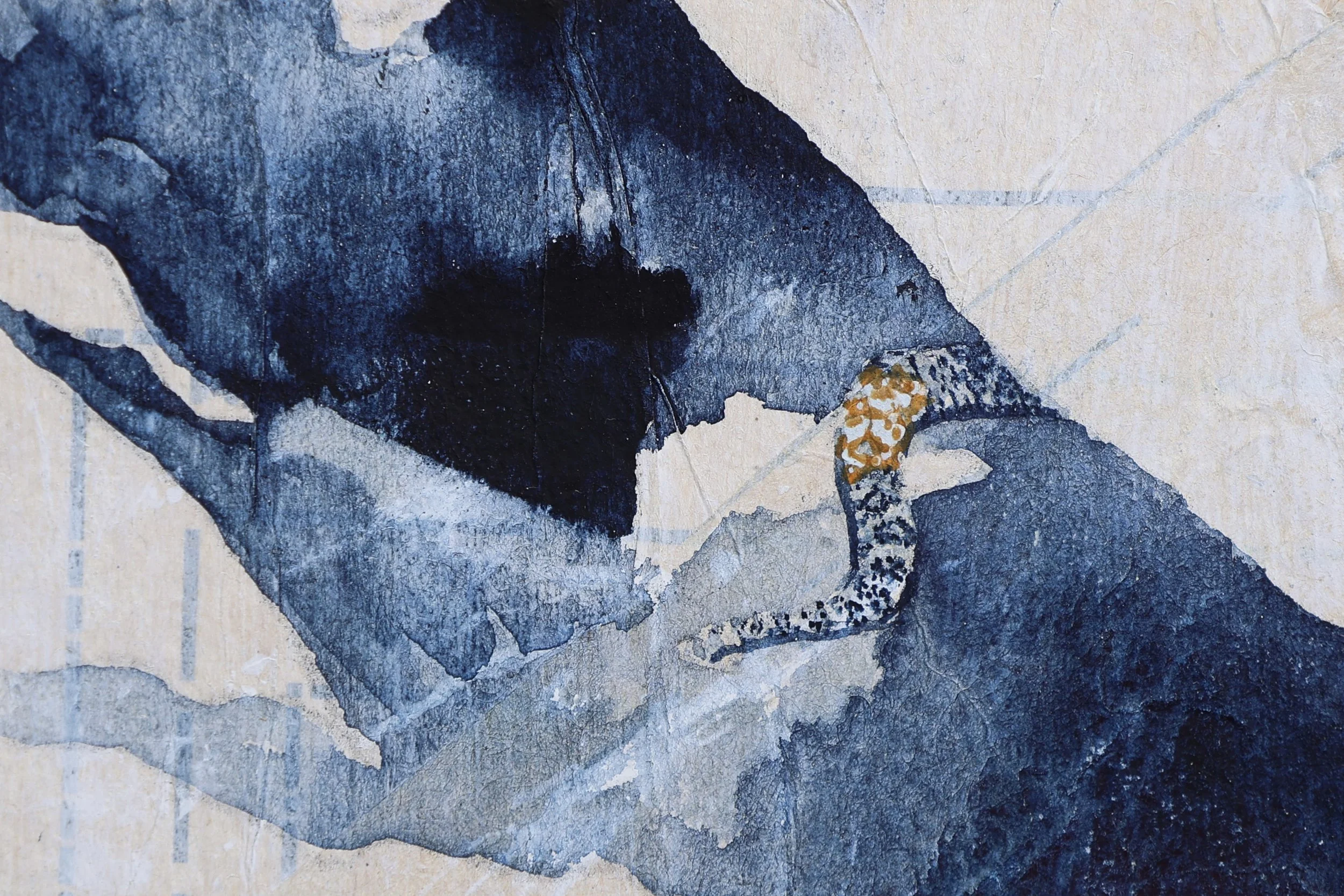
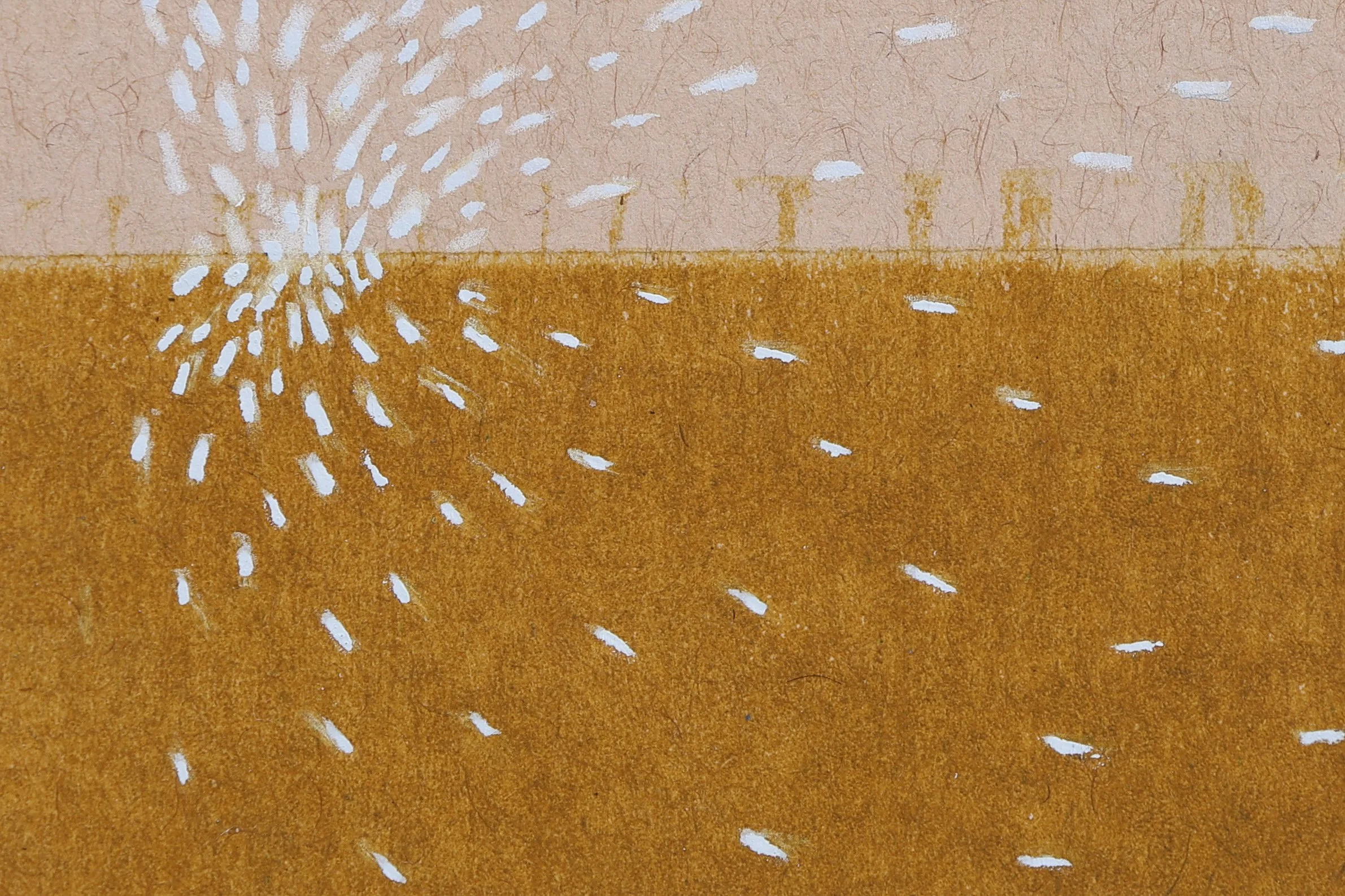
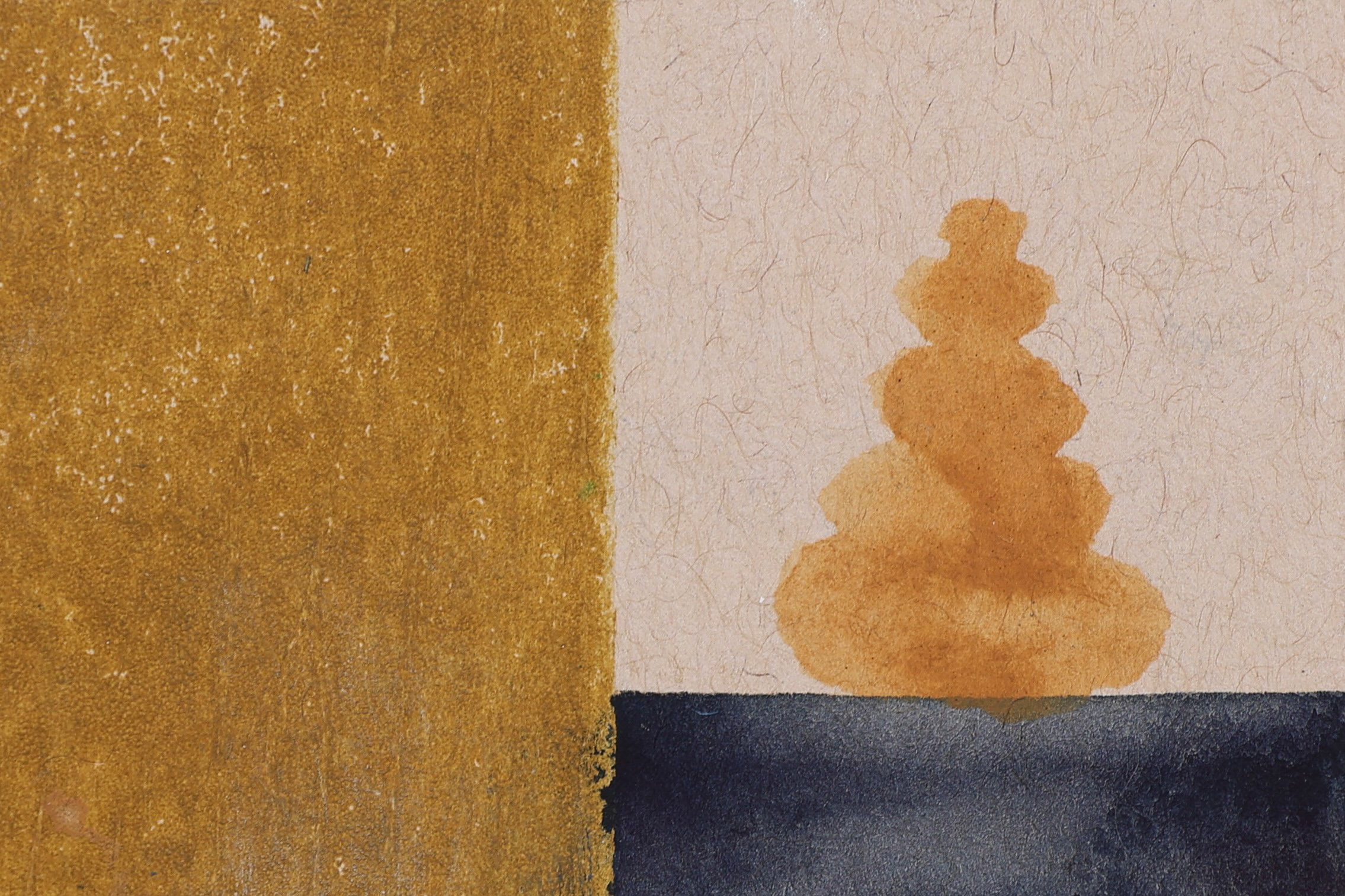
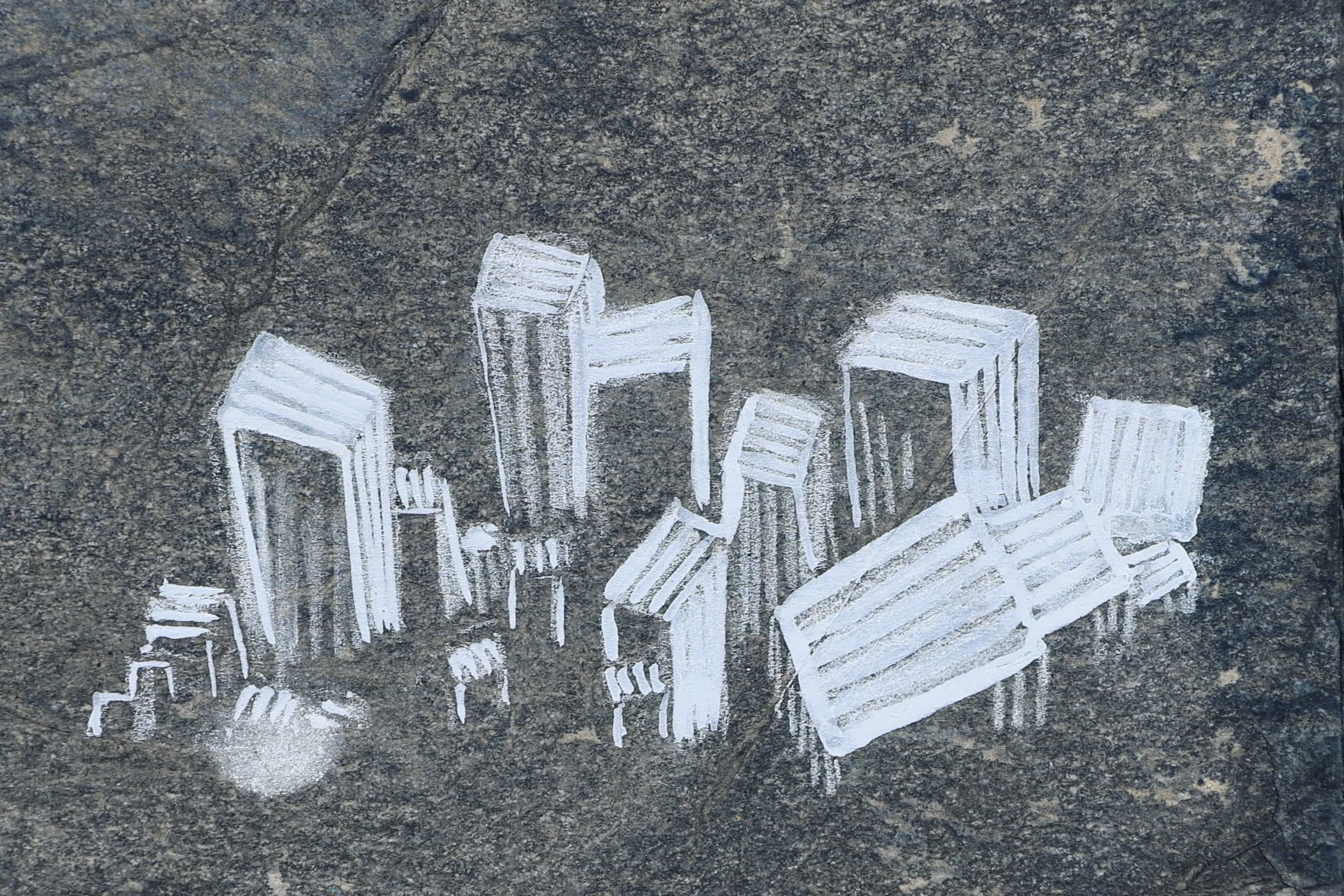
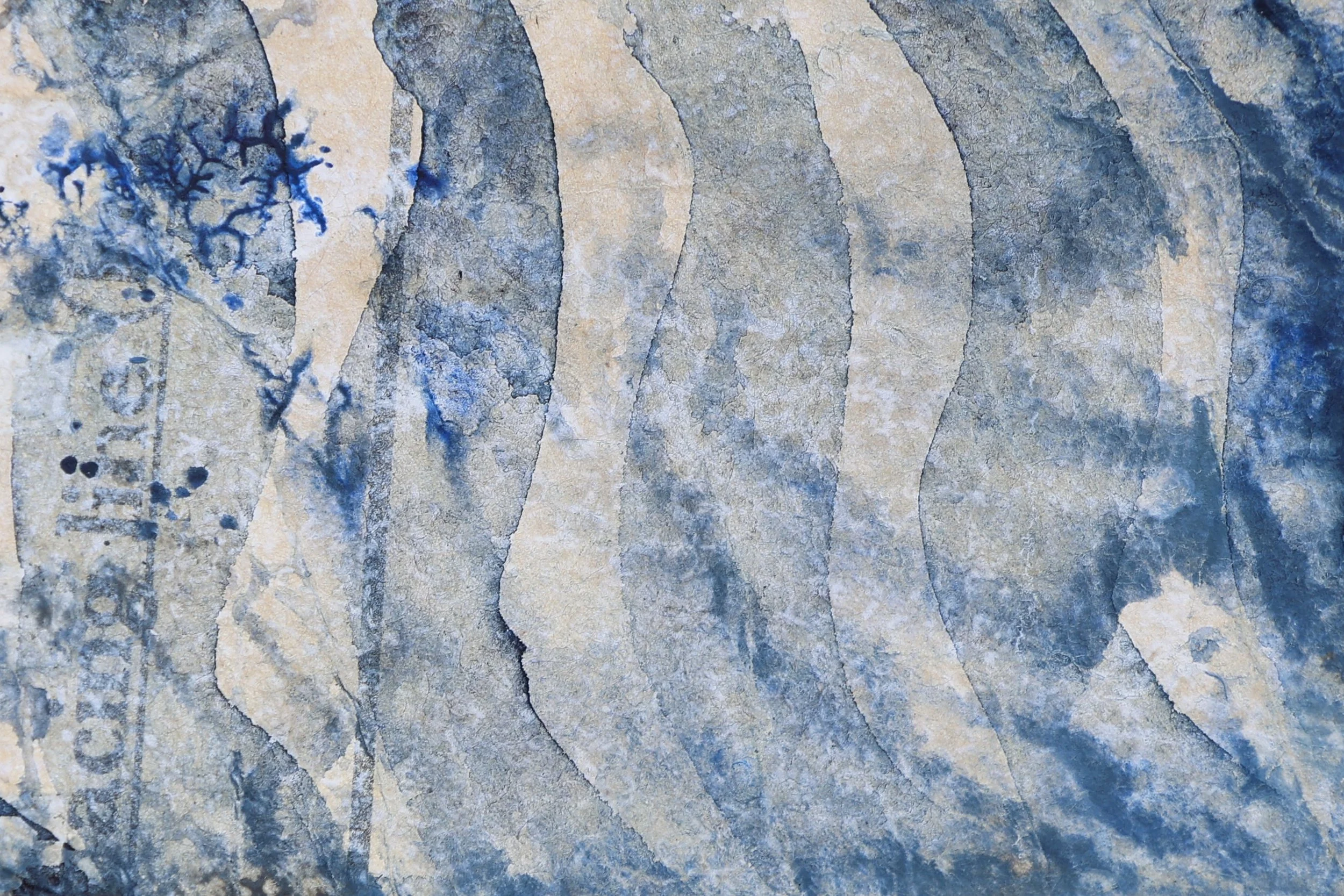
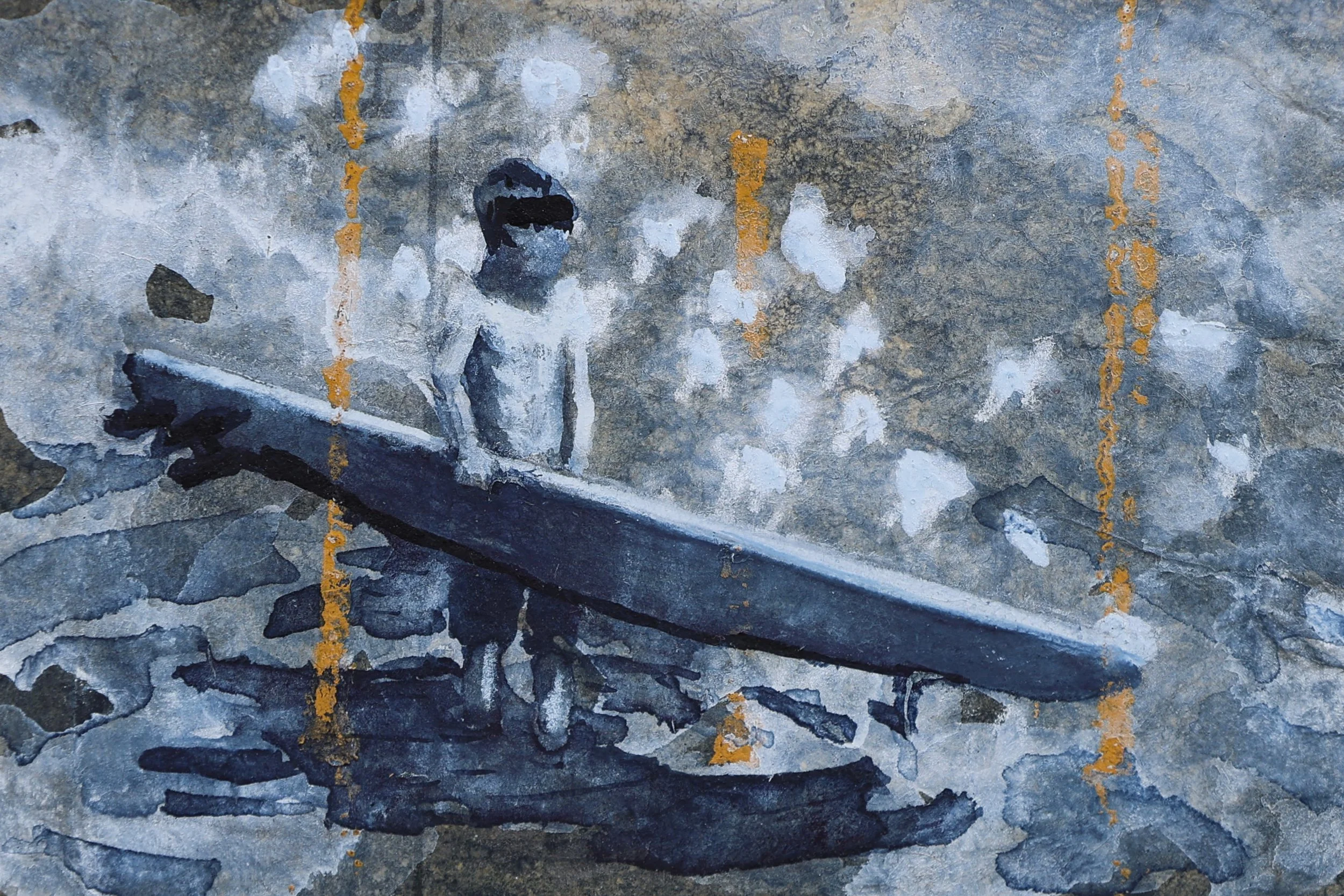
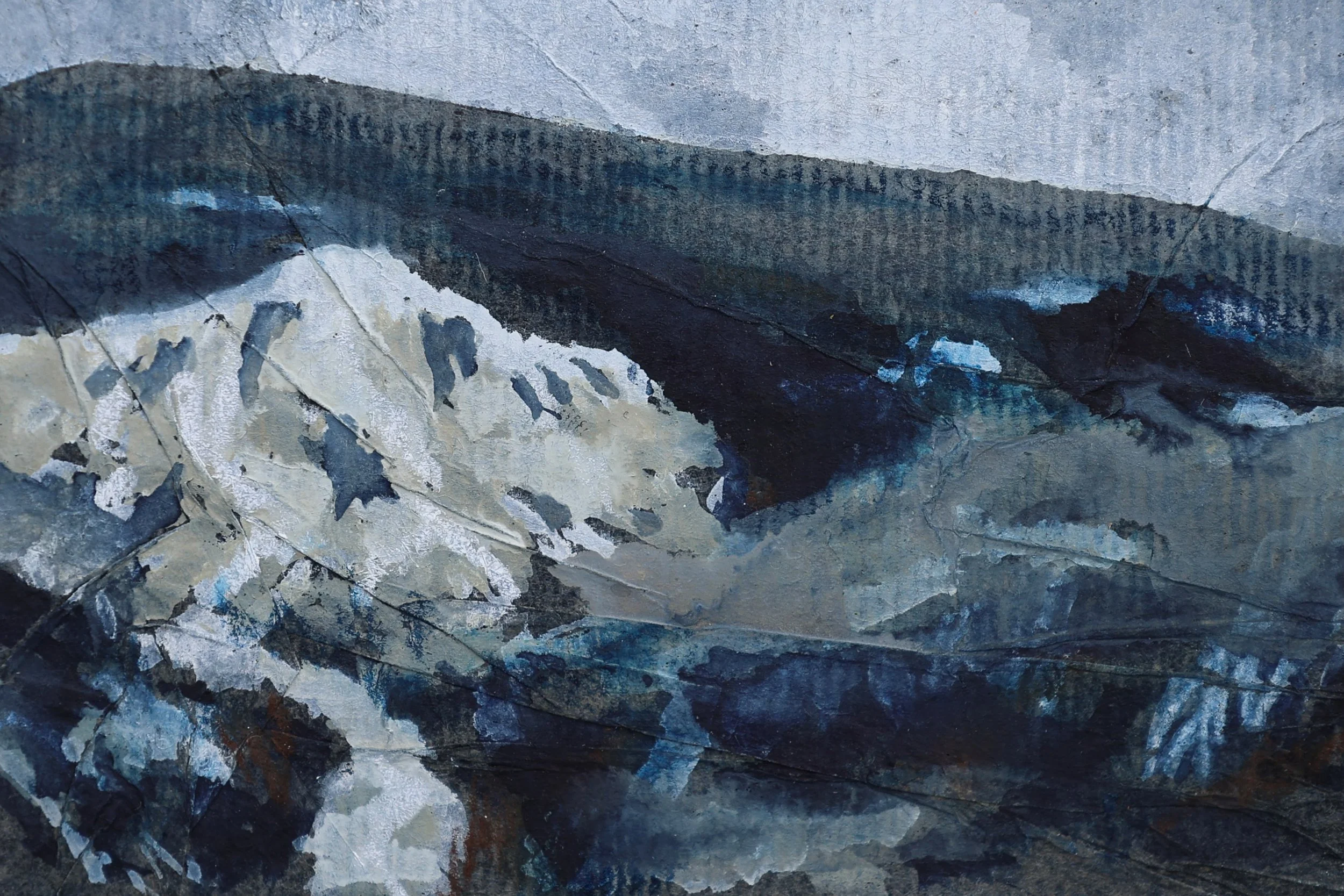
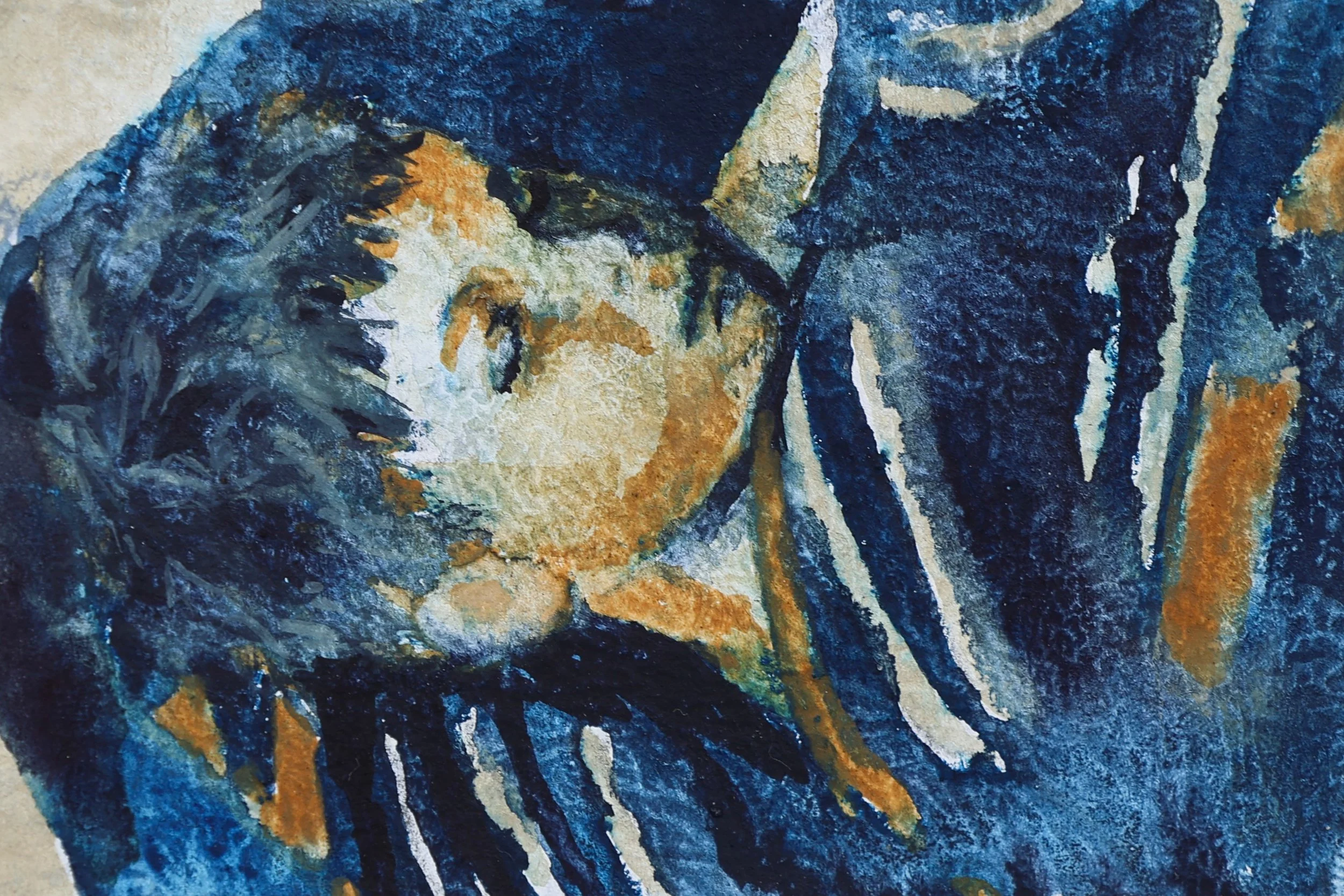
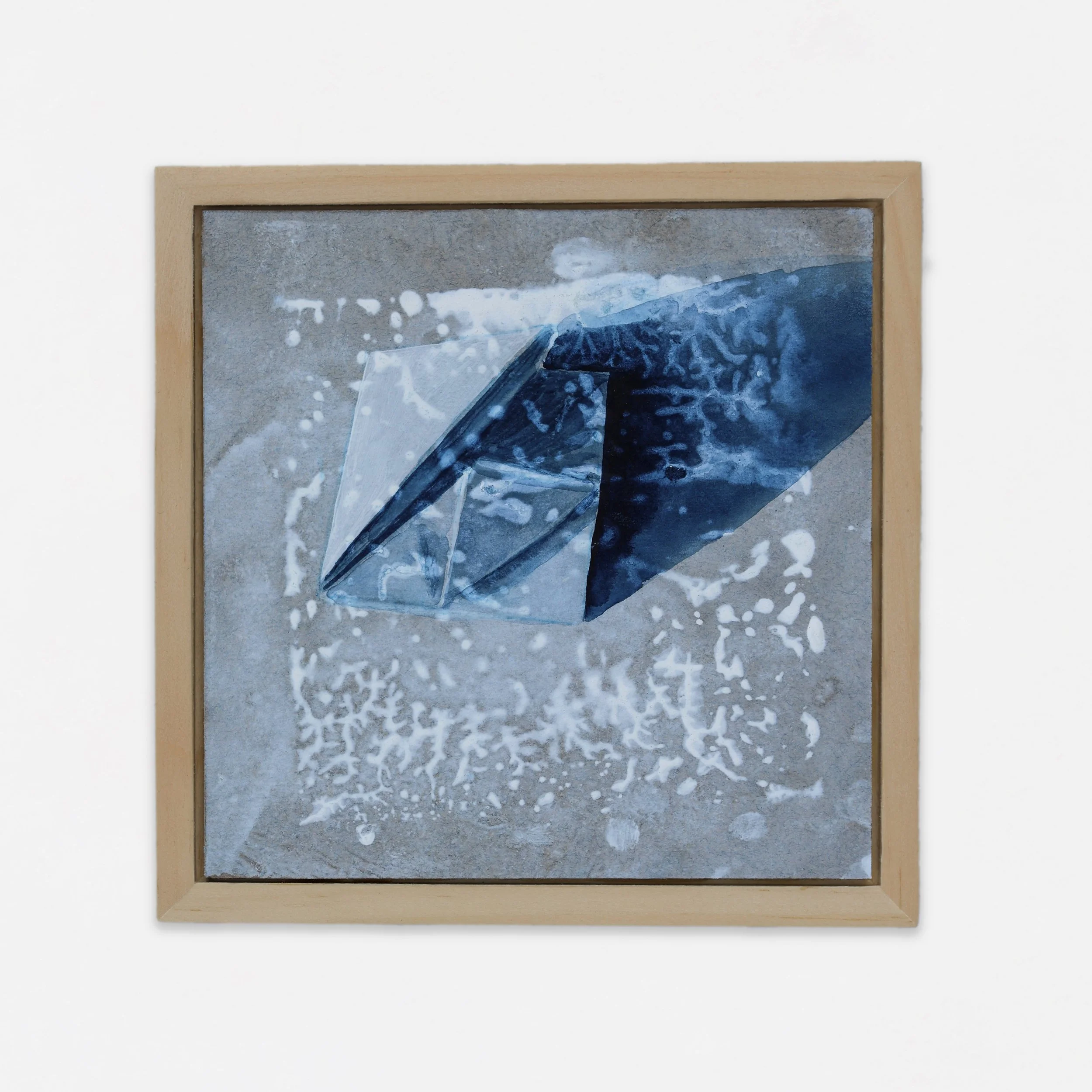
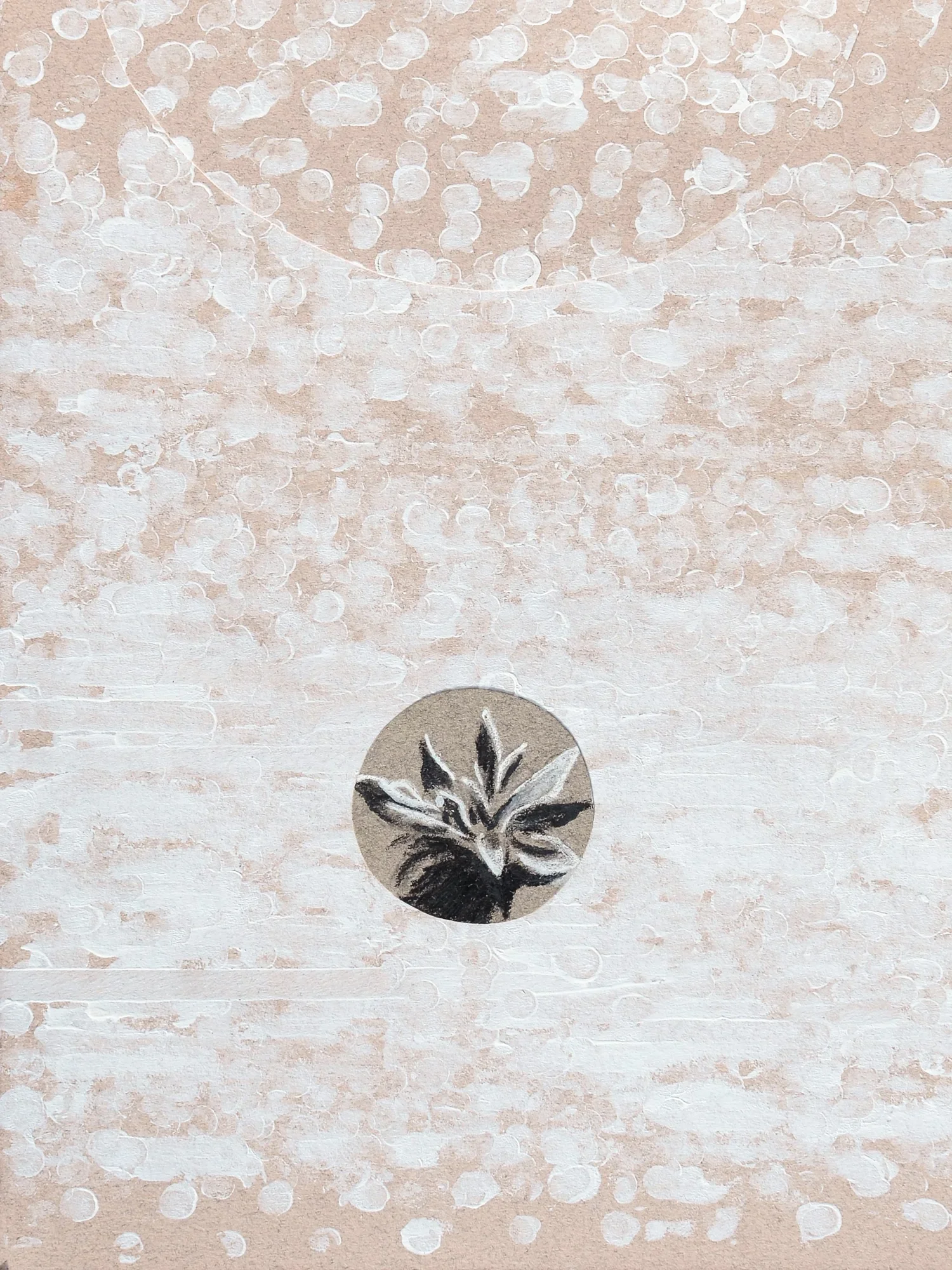
Gather Along These Lines is a constellation of 100 miniature paintings created in a single summer through a practice of intuitive making. Together, they form a nonlinear archive of belonging—water, sky, land, plants, and the rhythms of daily life. Embracing multiplicity and intuition over mastery or certainty, these works invite you to witness meaning as something lived—appearing in fragments, connections, and the rhythms of being-with.
2025
5 × 5 inches (30 pieces)
Acrylic, watercolor, pencil, cyanotype and paper mounted on panel, framed
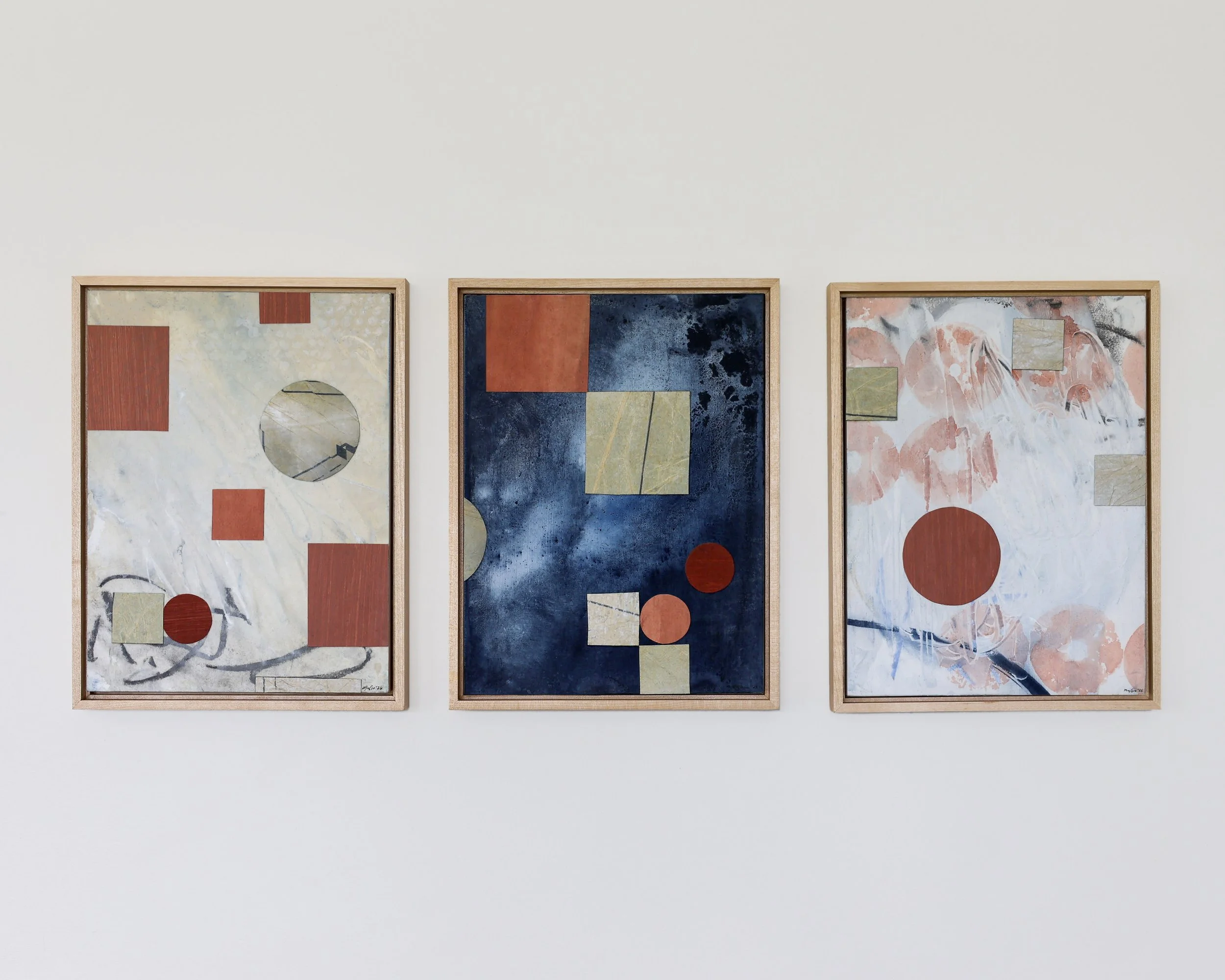
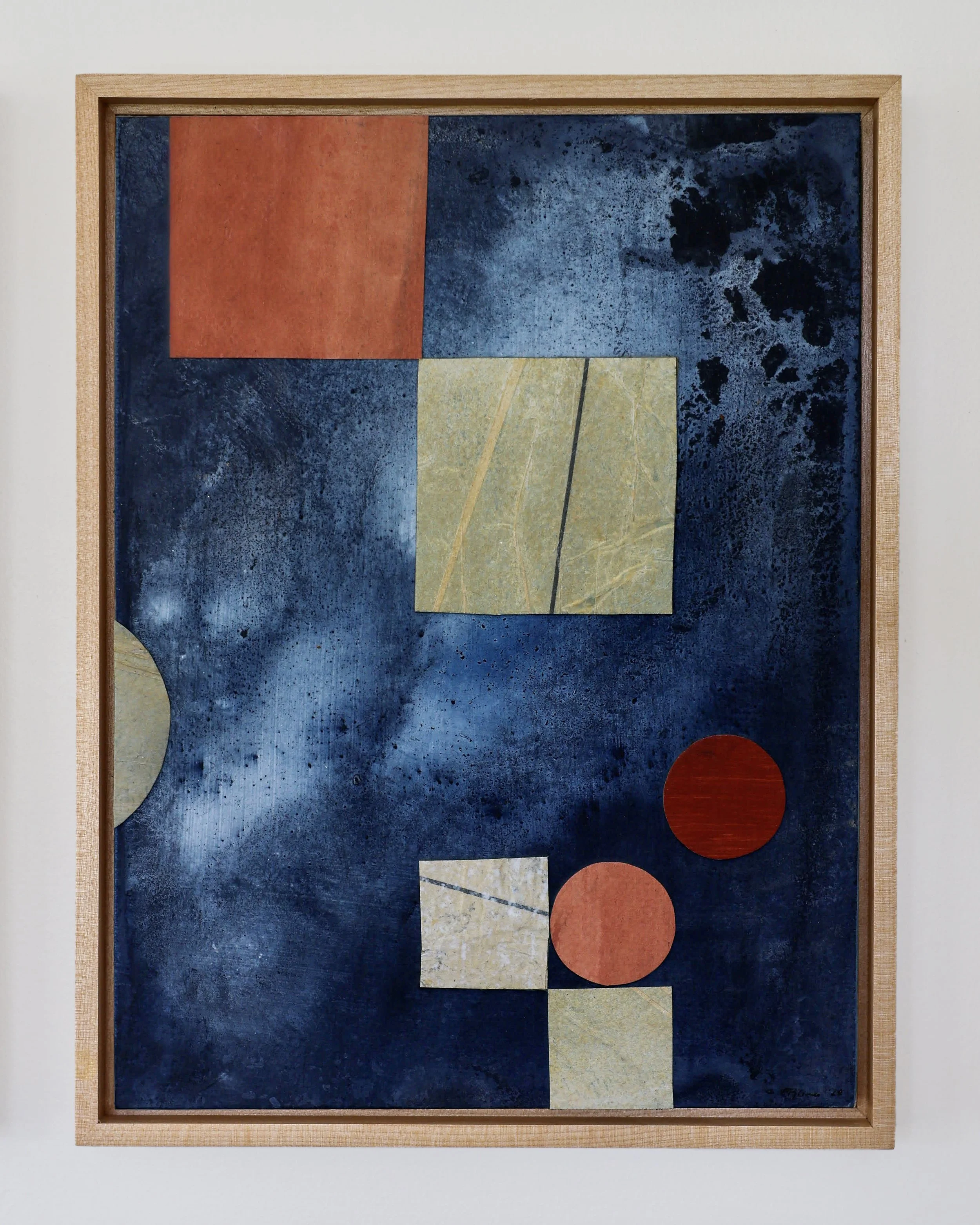
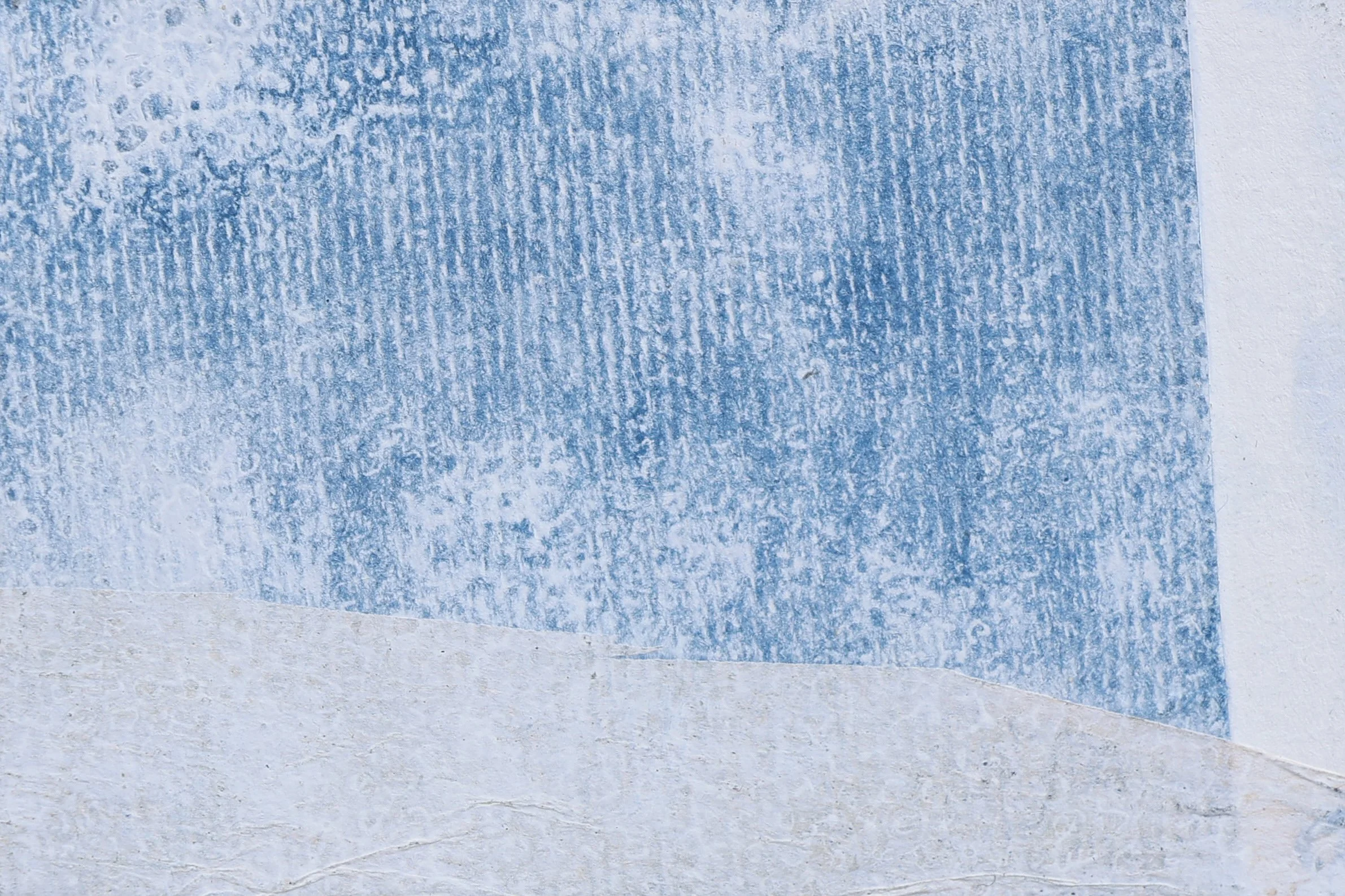
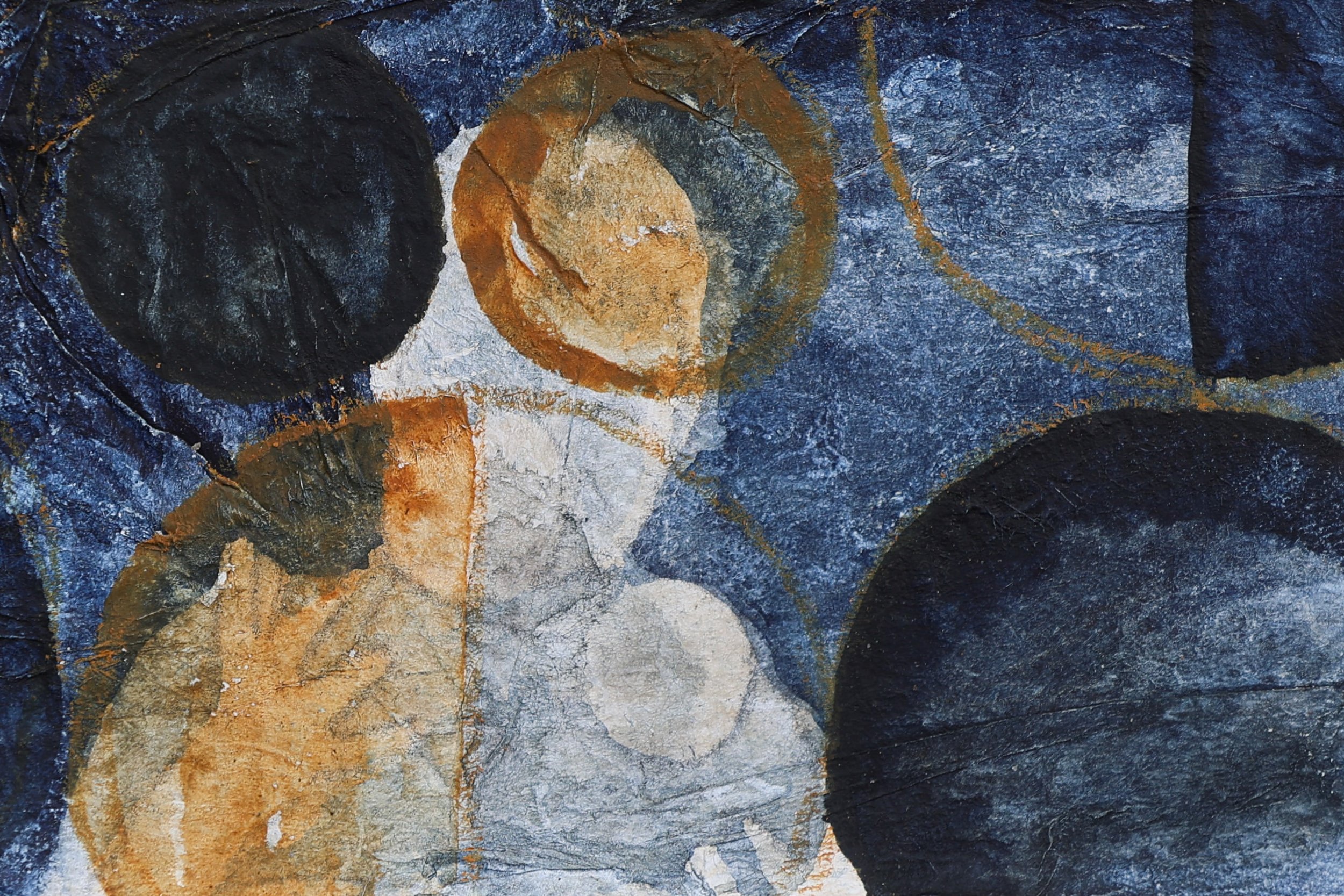
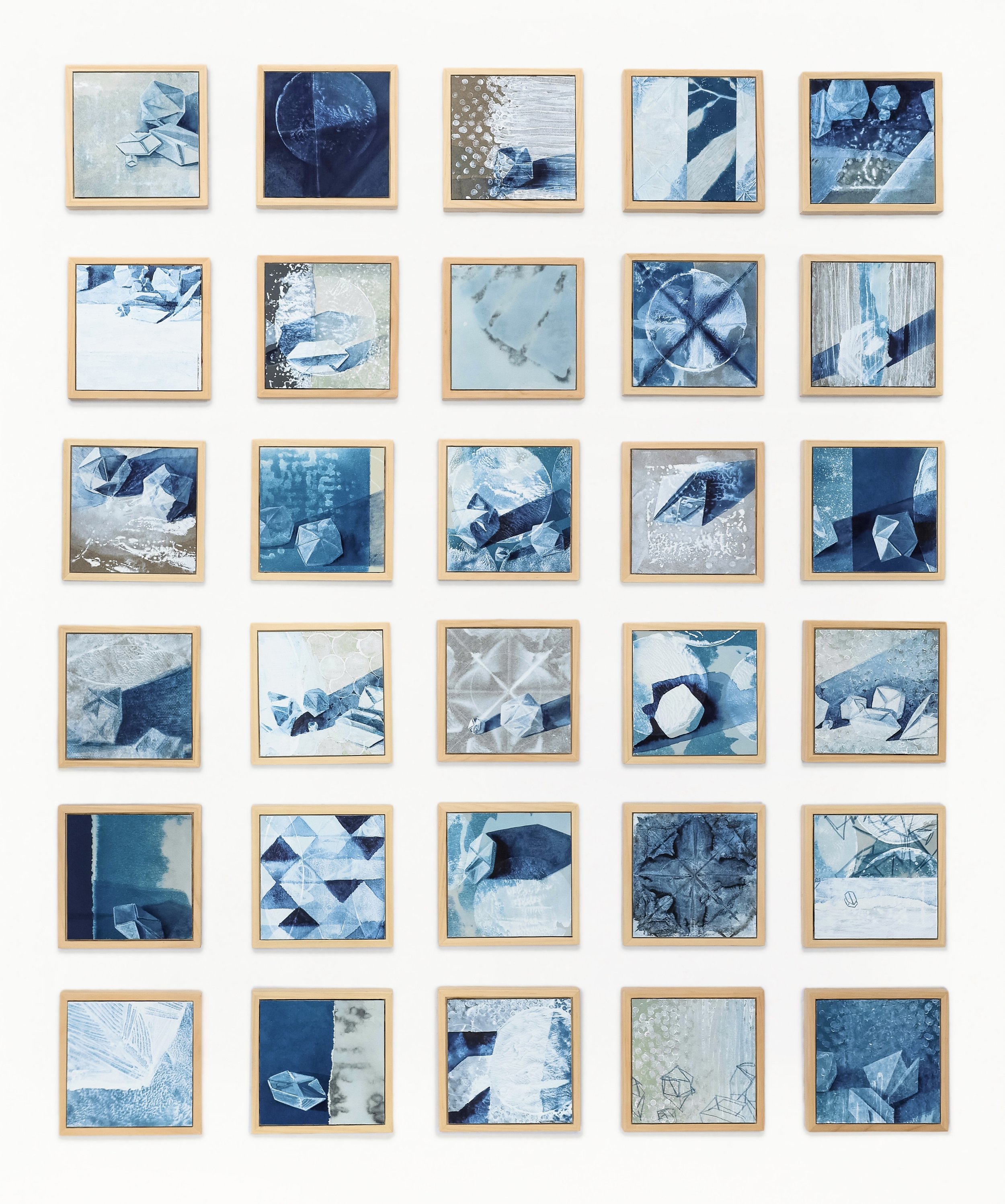
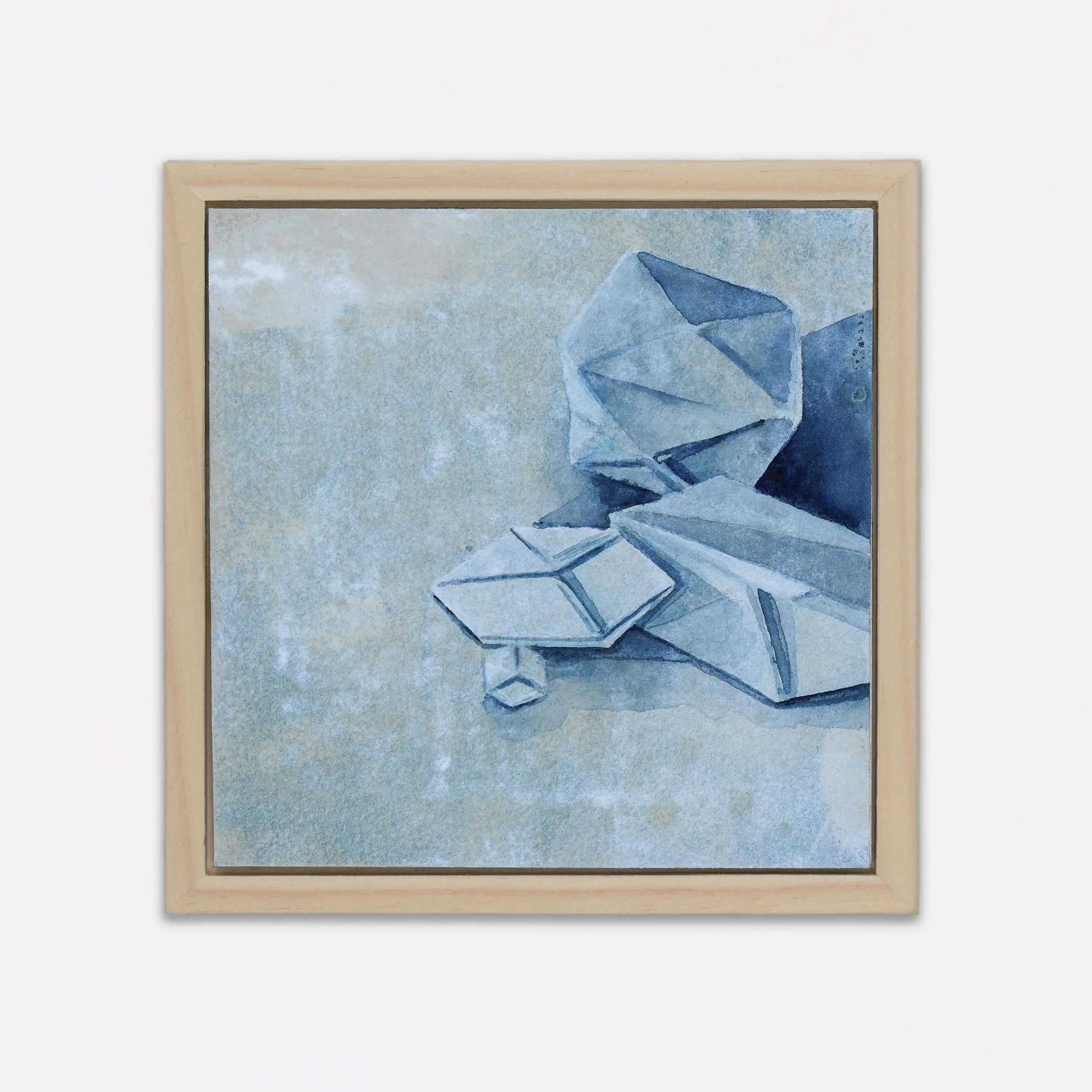
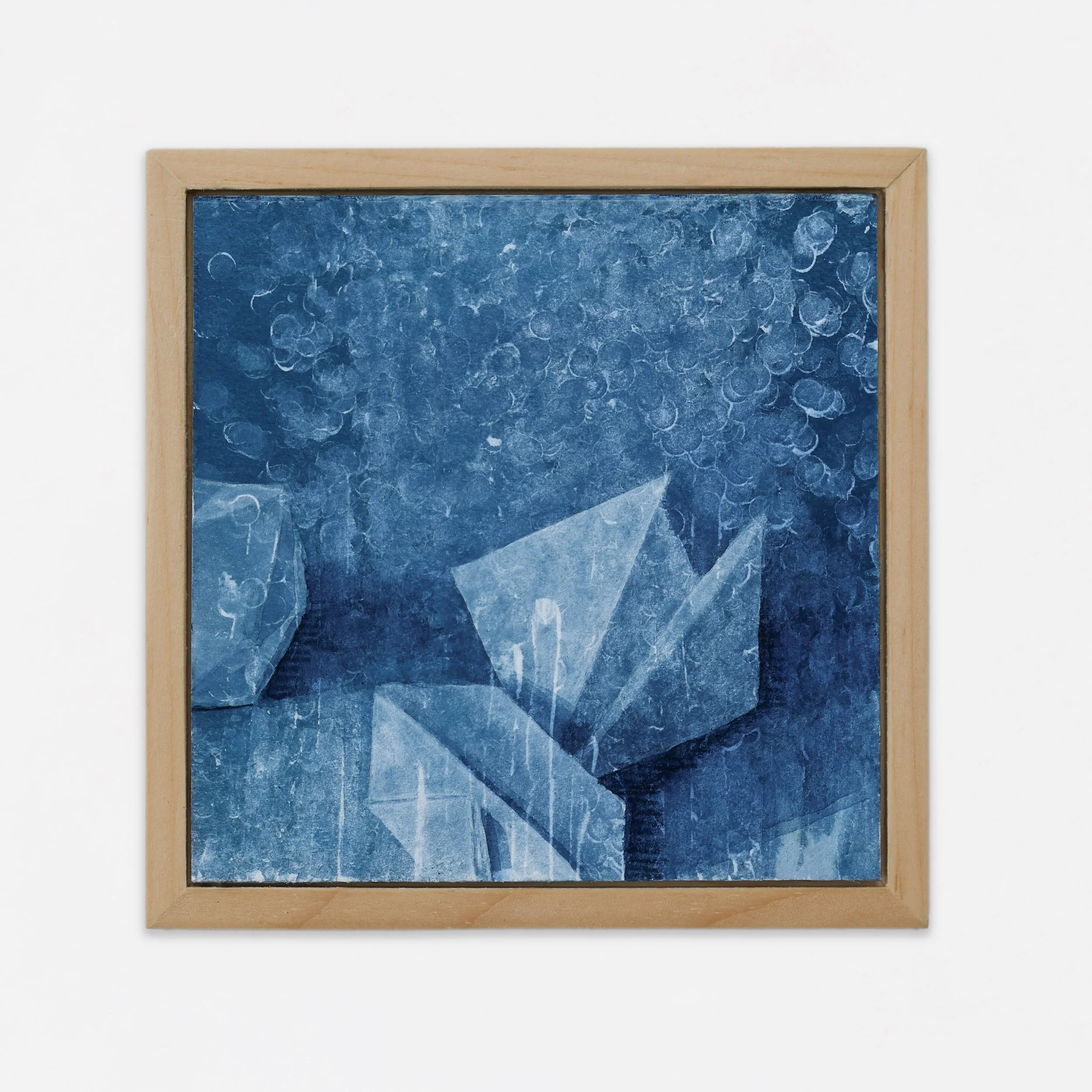
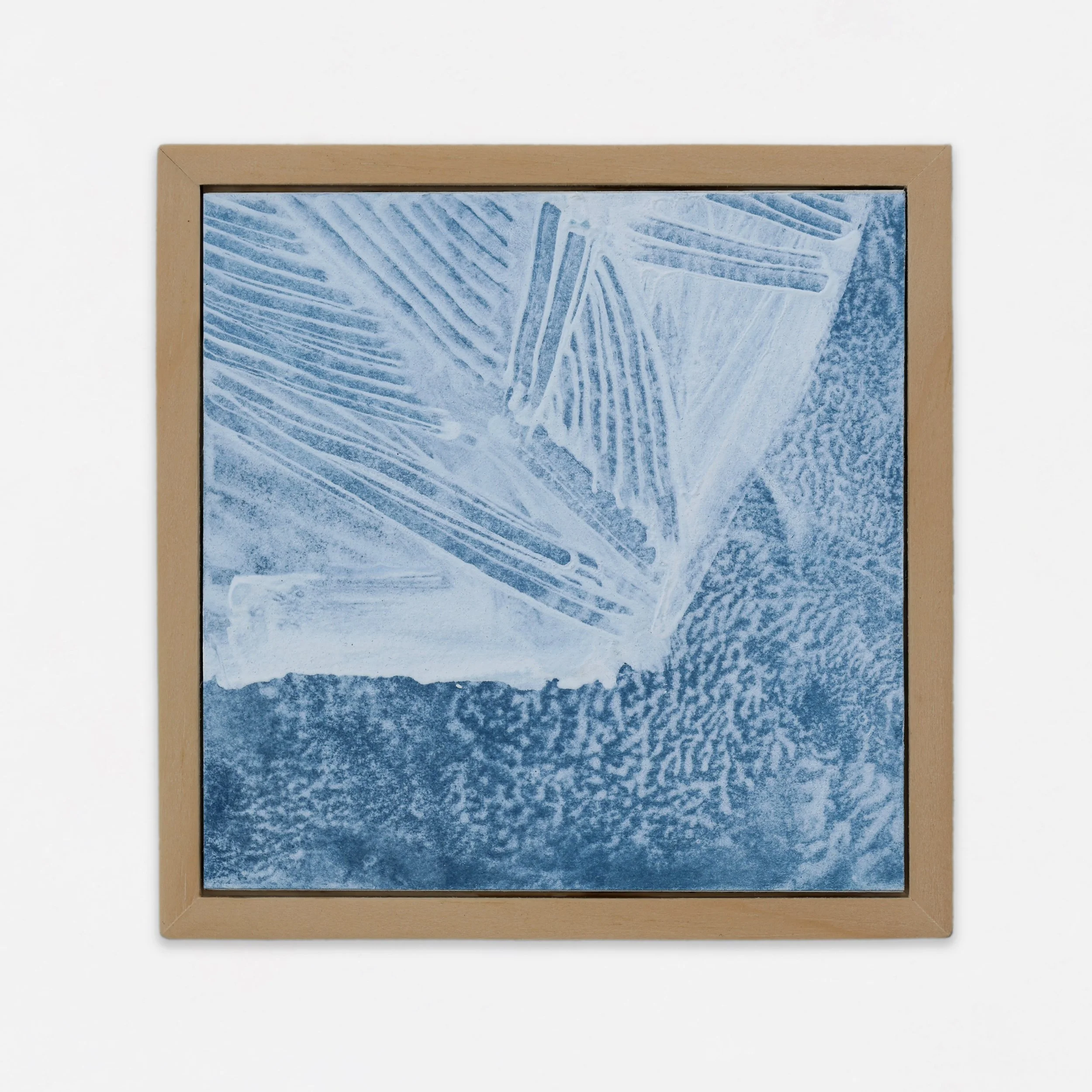
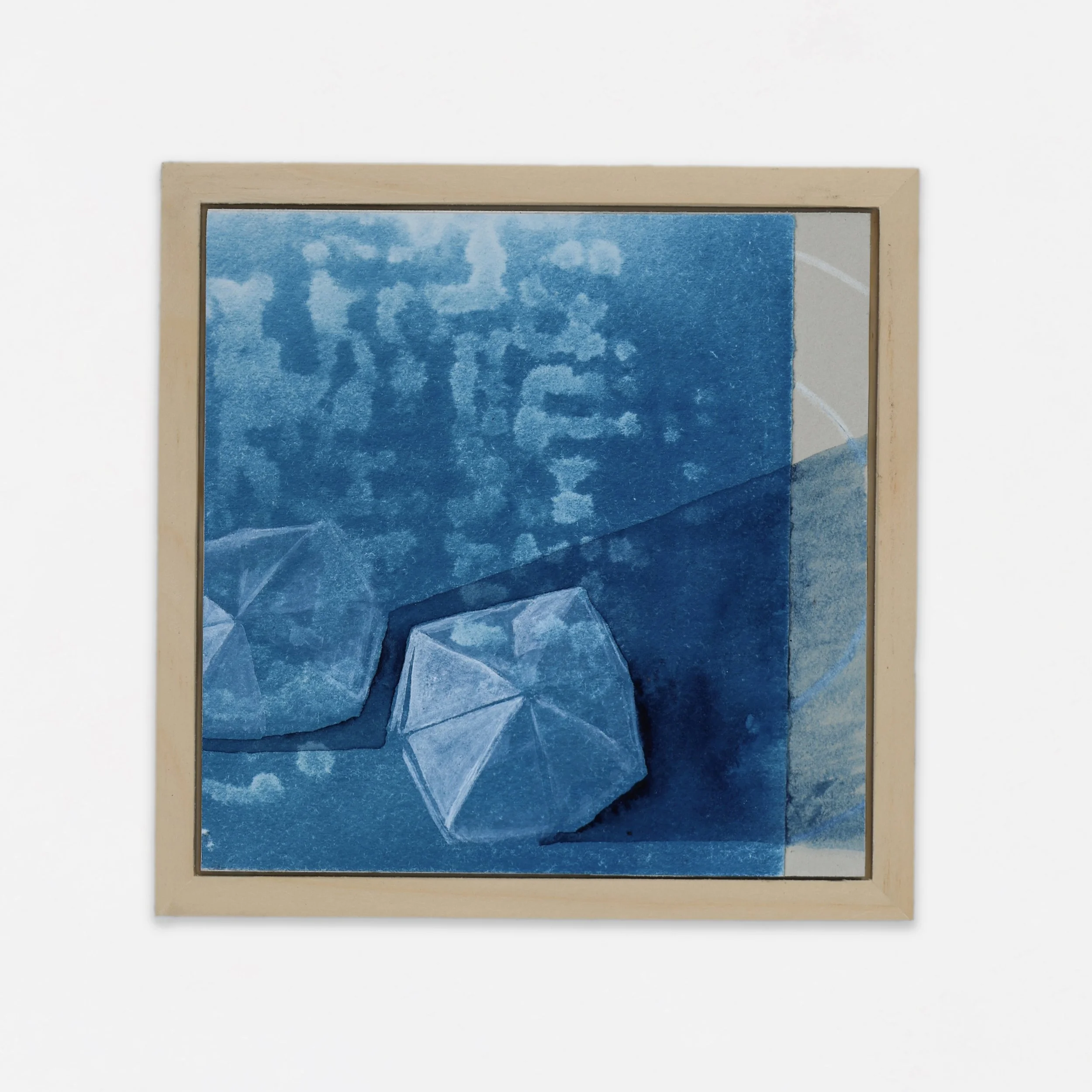
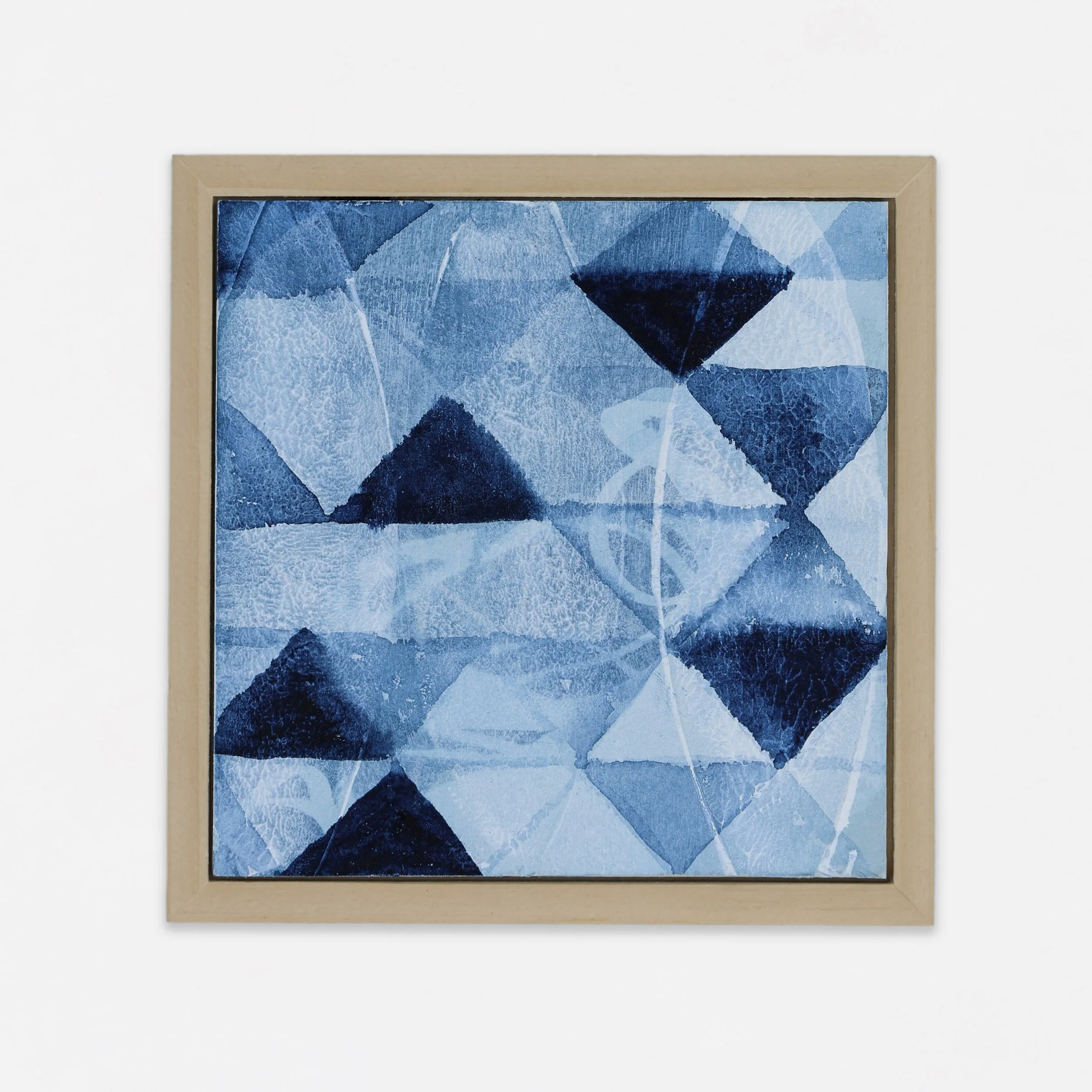
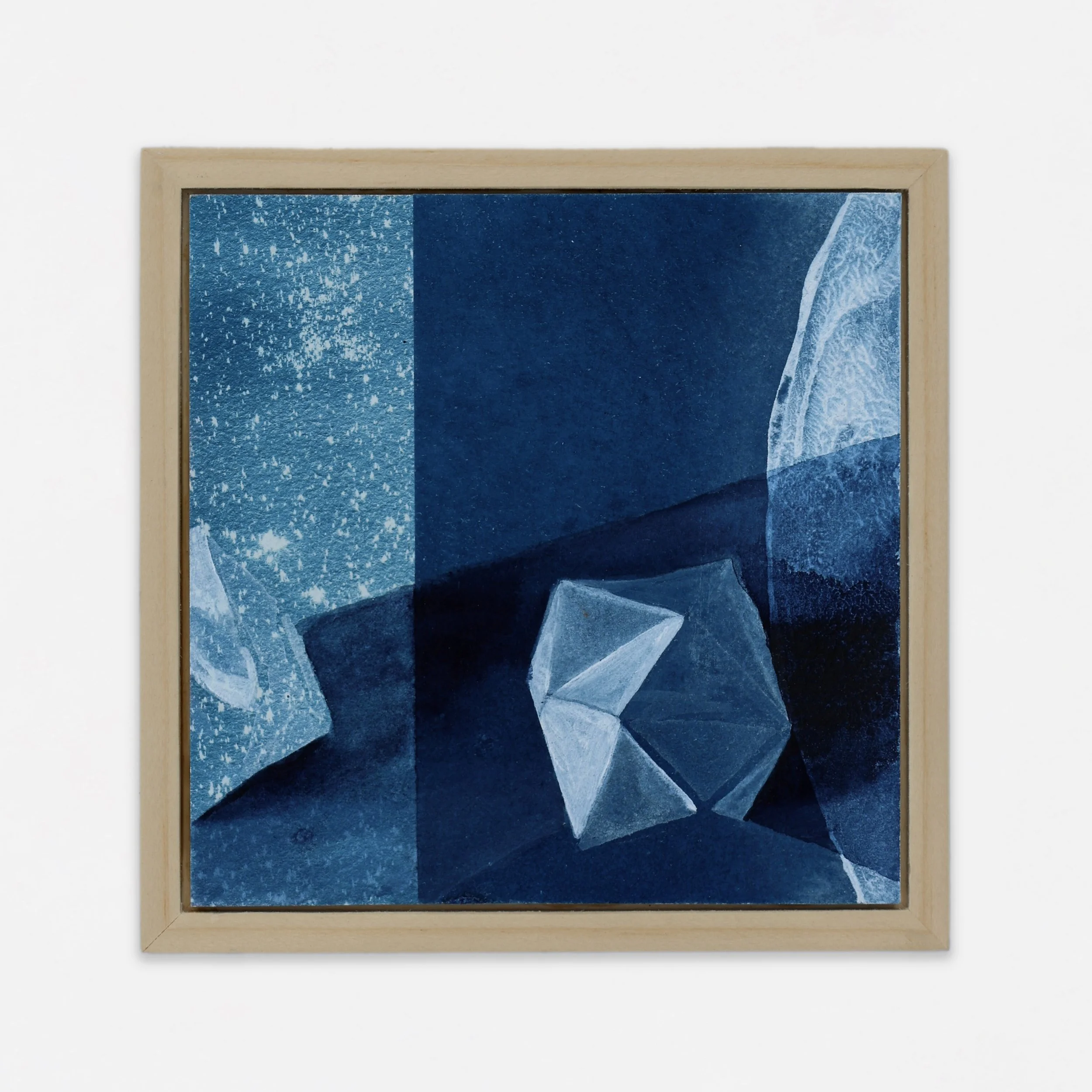
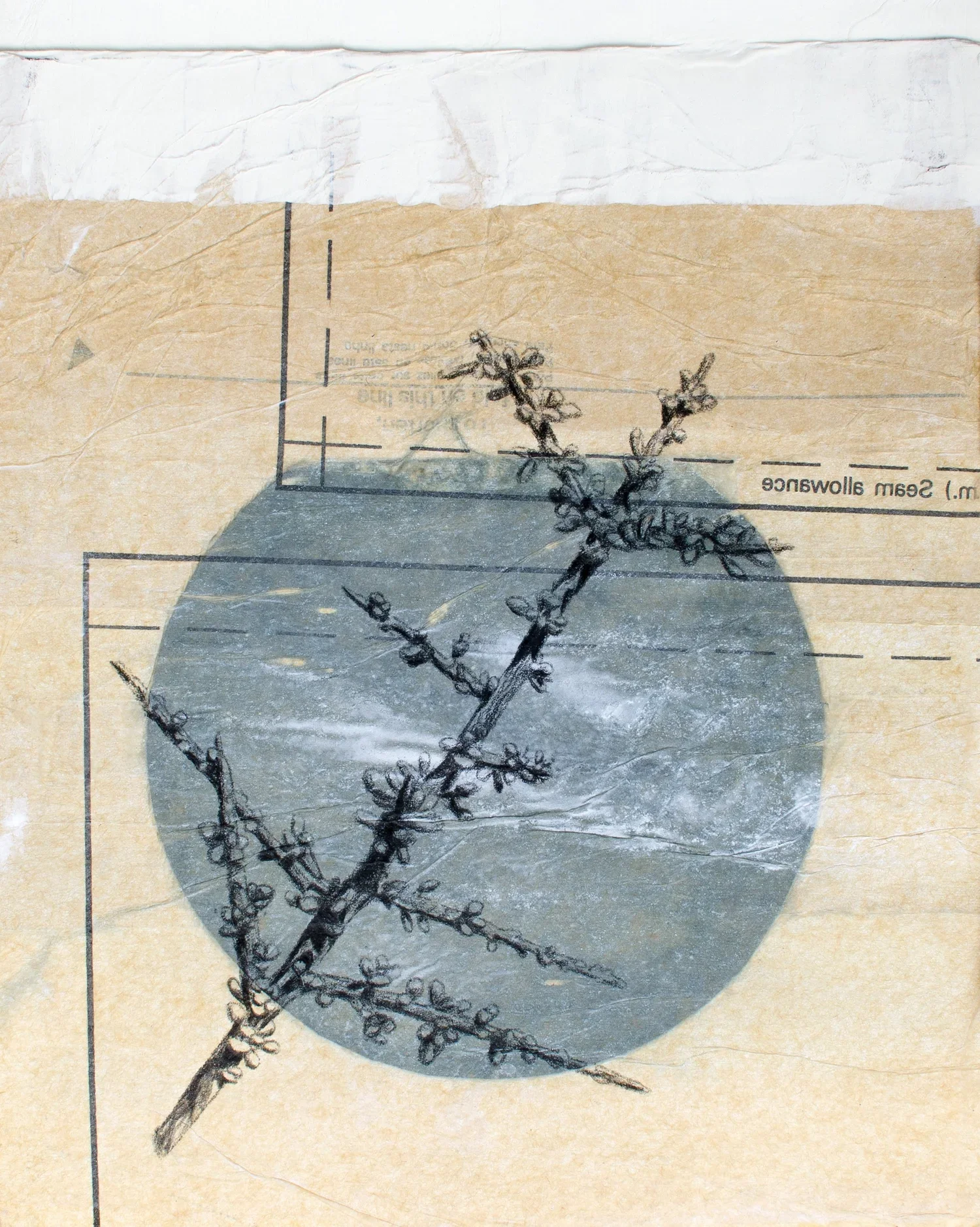
So Those Were Just Words is a series of thirty small works that confront the limits of verbal language as a dominant system of meaning-making. Working across acrylic, watercolor, pencil, and cyanotype, the pieces register moments when words—promises, explanations, reassurances—fail to contain lived emotional reality. The scale invites intimacy and repetition, echoing the circular, unresolved nature of grief and relational rupture. Rather than seeking clarity or resolution, the series treats image-making as a form of processing that precedes language, allowing ambiguity, affect, and subjective experience to remain intact. In these works, meaning emerges not through articulation, but through accumulation, erosion, and what cannot be said.
2025
24” x 18 inches
oil on canvas
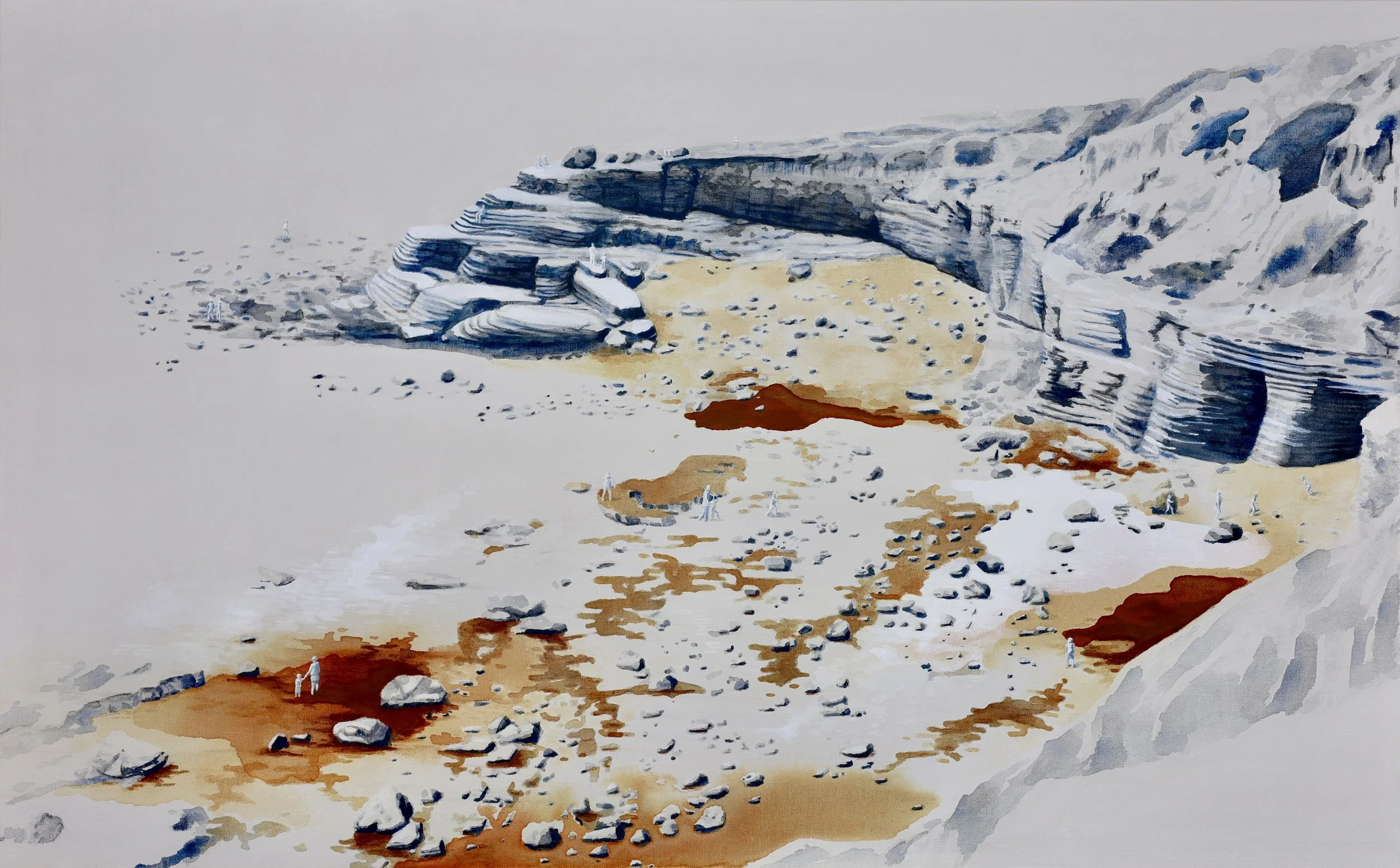
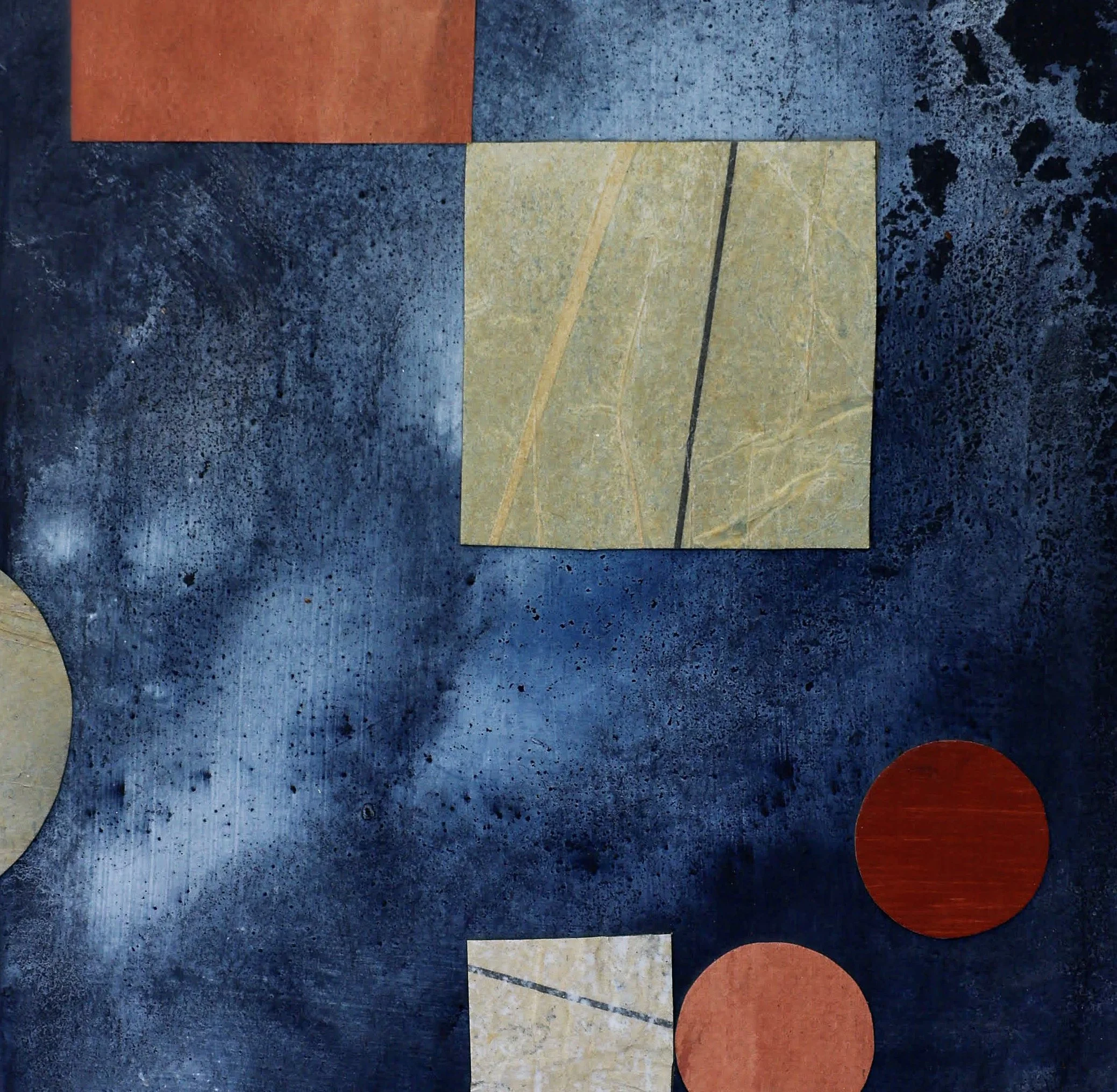
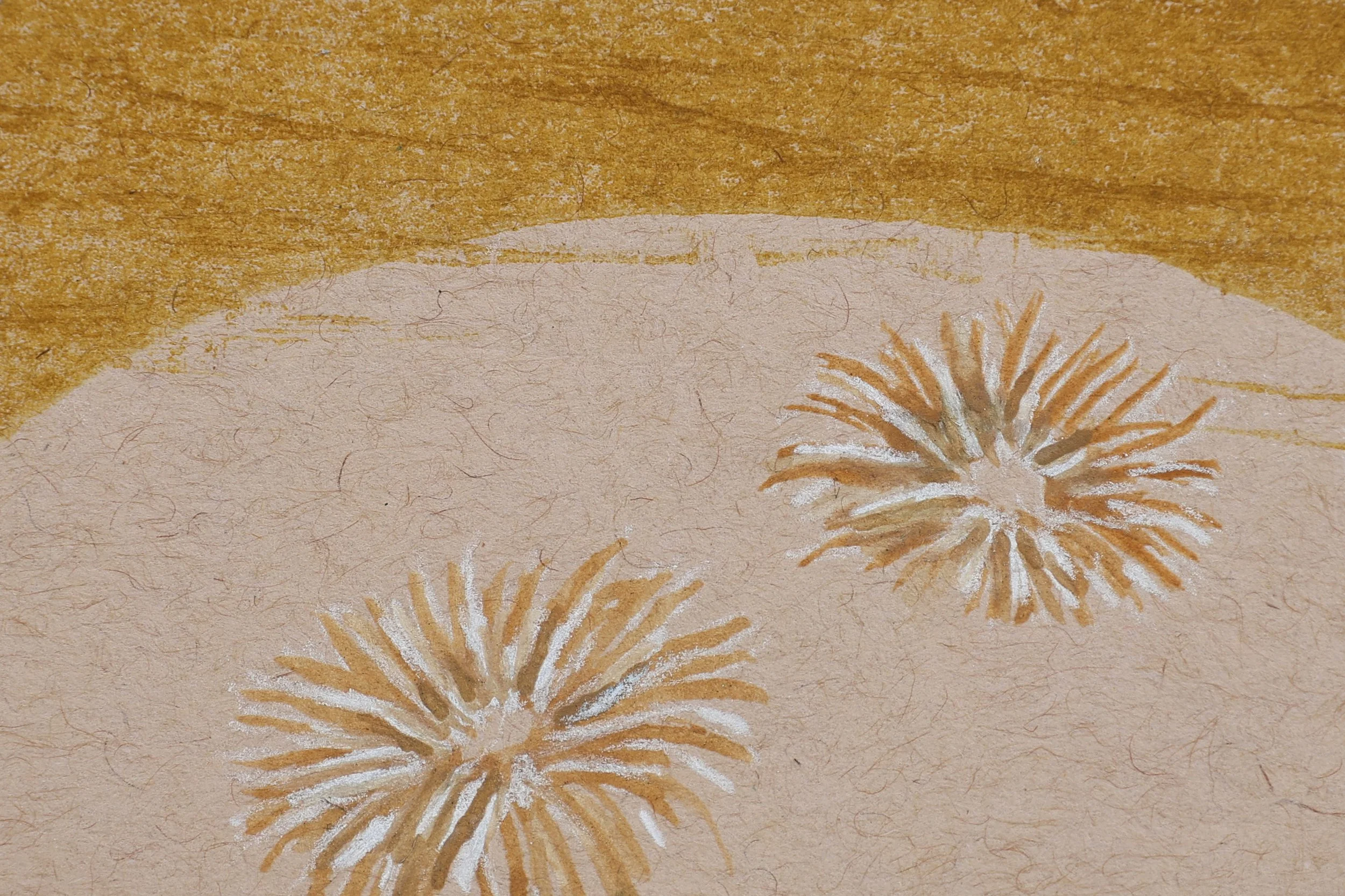
Eternal Summer imagines summer as a refuge where alternative ways of knowing are allowed to thrive—intuition, pattern recognition, image-based thinking, spiritual and collective intelligence. It reflects on summer as a break from institutional time and normative social demands, a space where repair, regulation, and creative survival become possible. The painting marks the surprise of returning to oneself and discovering that self still intact—thinking laterally, sensing freely, belonging without explanation. In revaluing forms of knowledge historically dismissed in favor of rational, linear, and “legible” systems, Eternal Summer becomes both a celebration and a yearning: for a world where these modes of knowing are not seasonal, but enduring.
2025
Acrylic, watercolor, indigo dye, pencil, canvas, muslin, and paper on panel
30"x30"
In the Permanent Collection of San Diego State University.
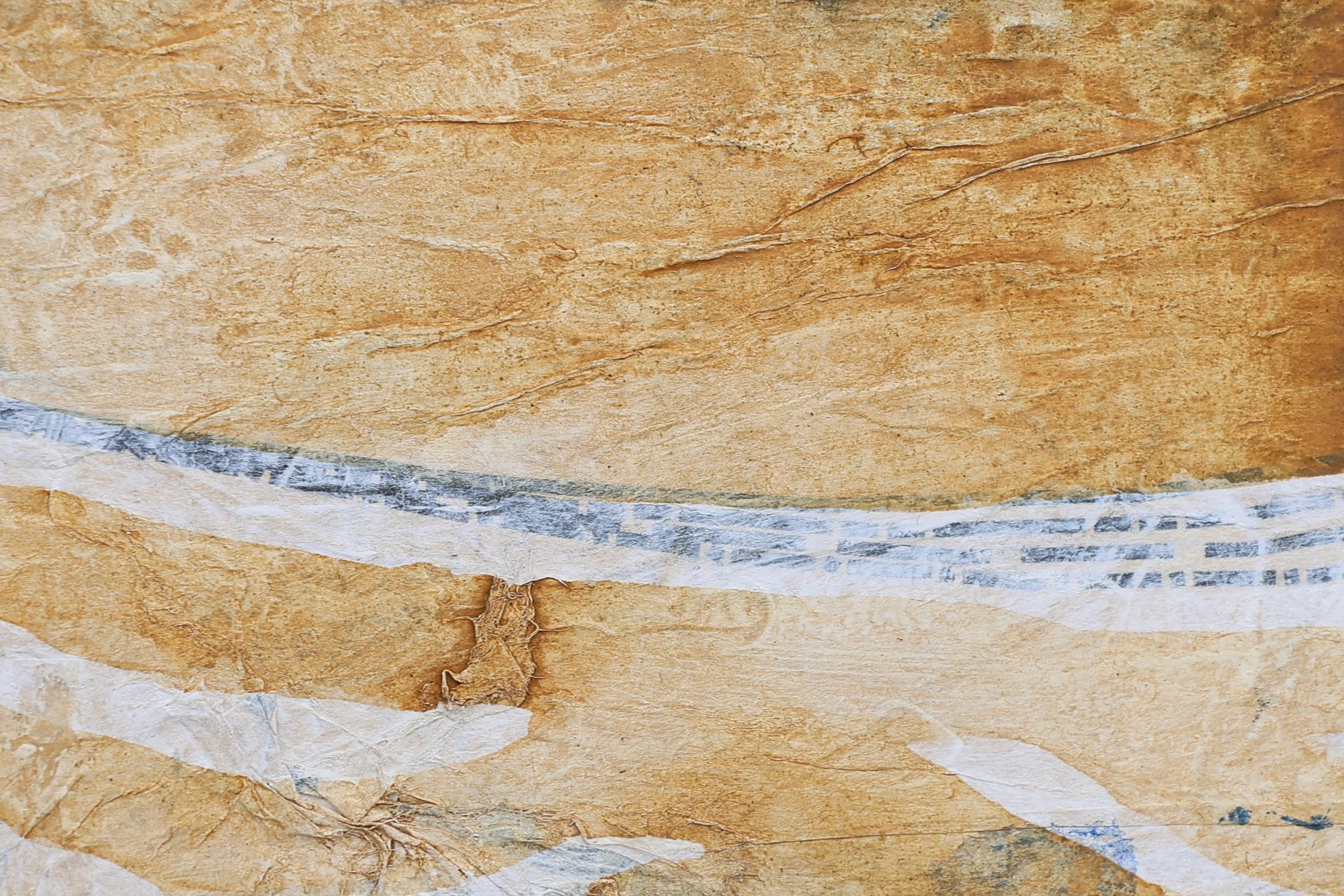
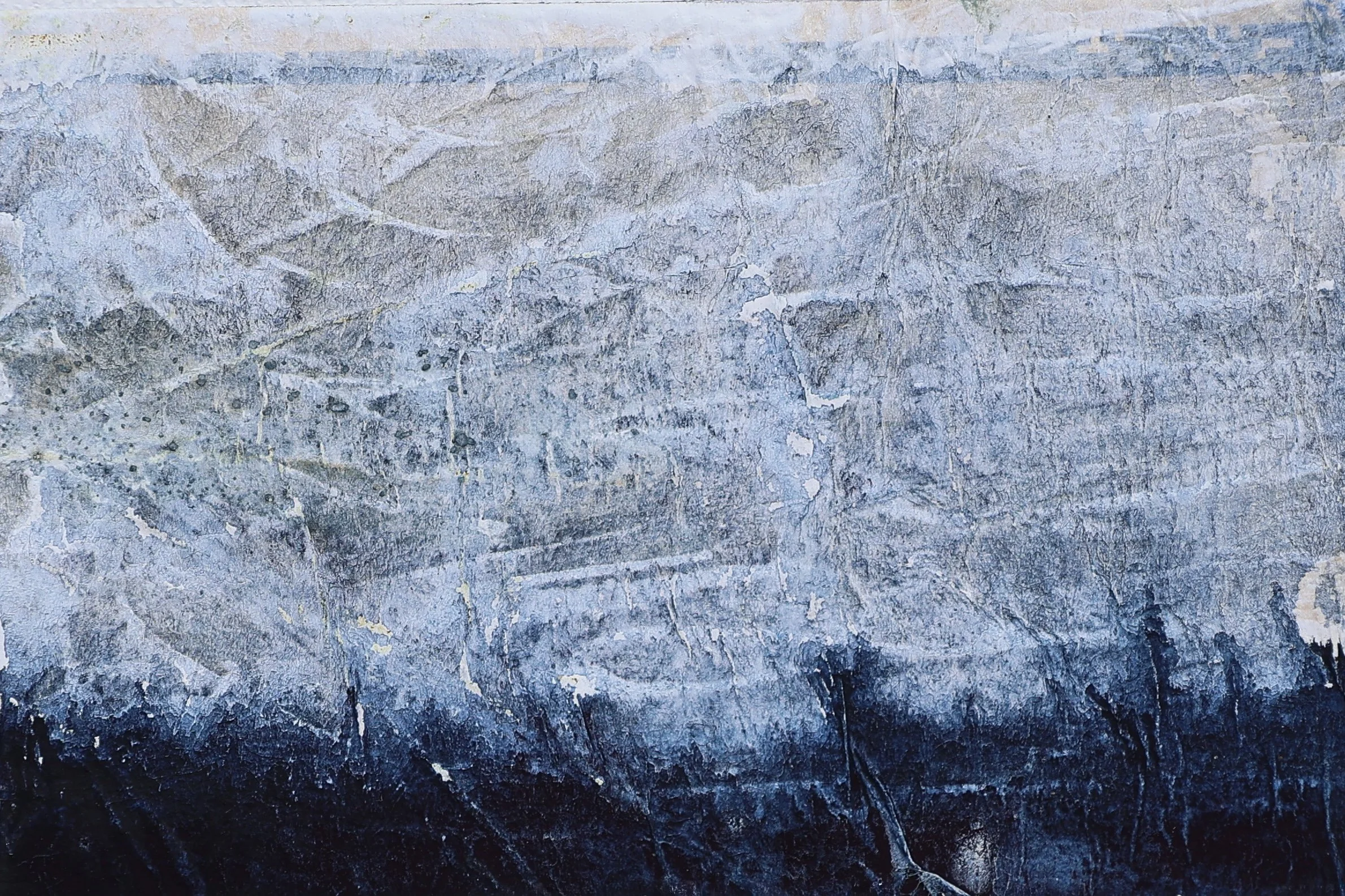
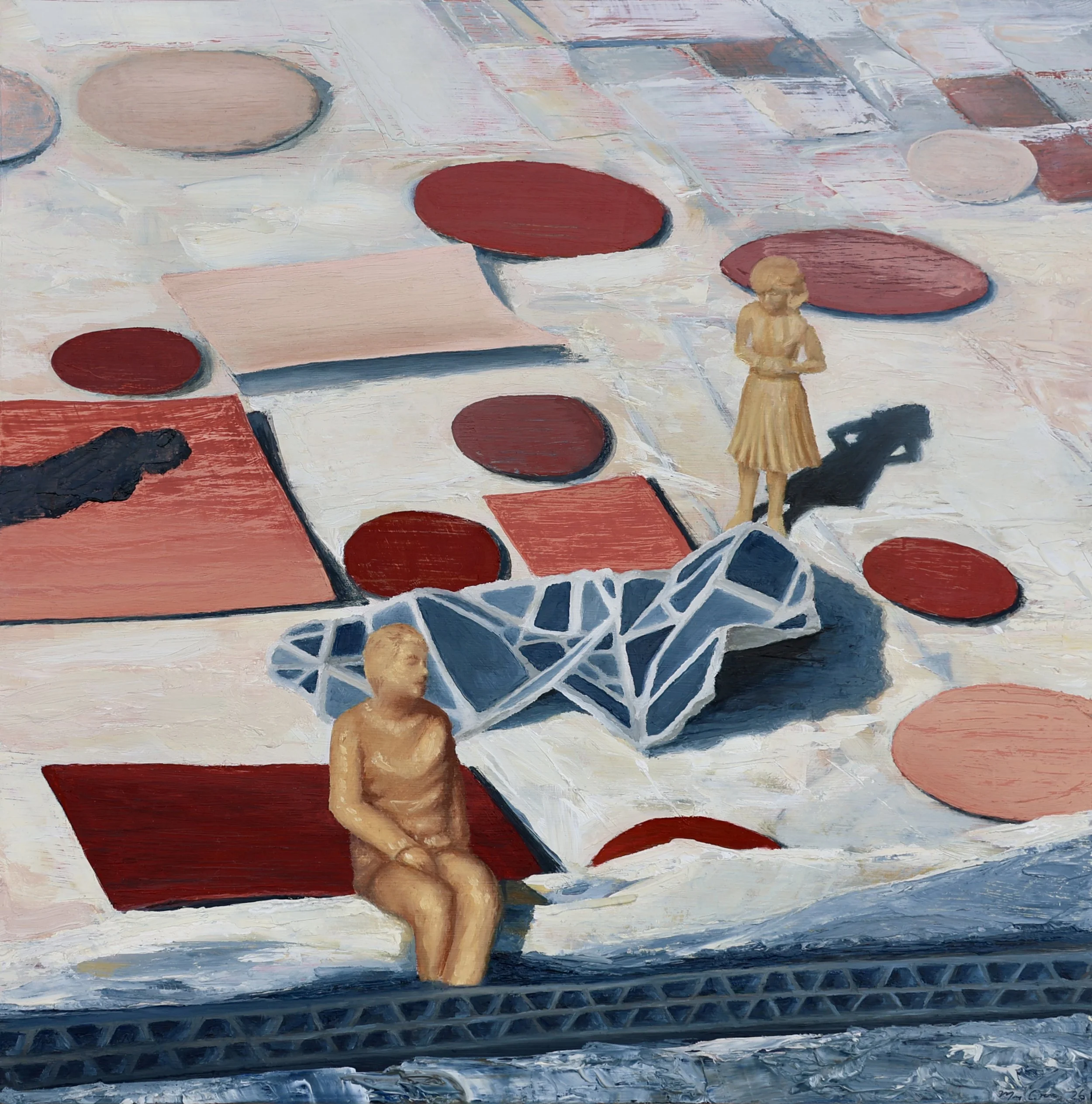
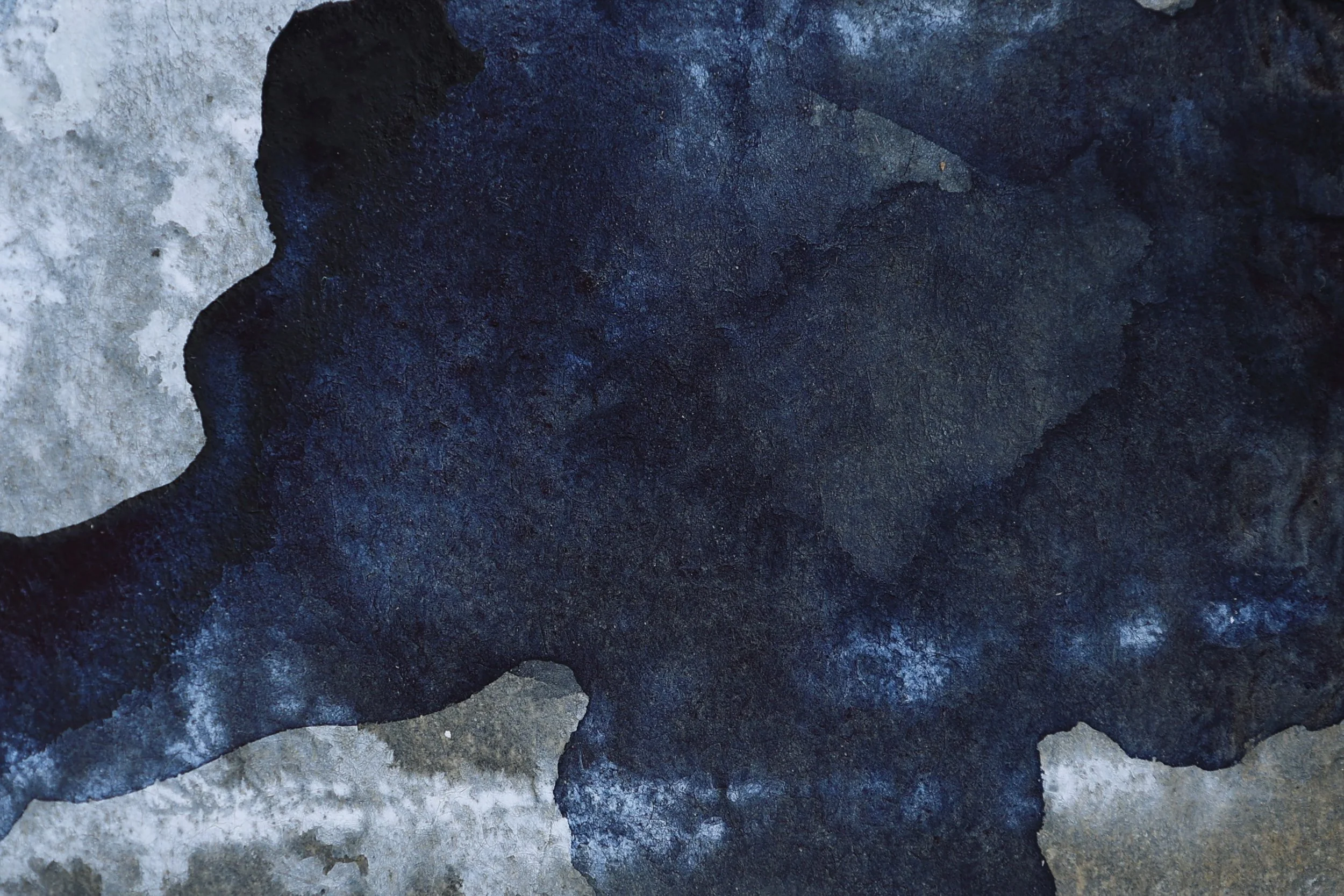
DOES THIS MEAN ANYTHING TO YOU? is a mixed-media collage that confronts the viewer with the chaotic dissonance often felt by neurodivergent individuals navigating a world that prioritizes verbal communication and conventional modes of knowledge. Using acrylic, watercolor, indigo dye, pencil, canvas, muslin, and paper on panel, the piece visually expresses the fragmentation and confusion imposed by norms around speaking and traditional forms of interaction. Inspired by Franz Fanon’s critique of masking and his belief in the inherent violence of decolonization, the work challenges the pressure on neurodivergent people to hide their true selves to fit in, urging resistance and self-empowerment. Through its bold and confrontational design, DOES THIS MEAN ANYTHING TO YOU? prompts viewers to reflect on their complicity in systems that marginalize and silence neurodivergence. The question it asks is intentionally ambiguous, leaving space for interpretation—both as a challenge and a curiosity—inviting viewers to consider how visual knowledge resonates with them and whether they truly connect with it.
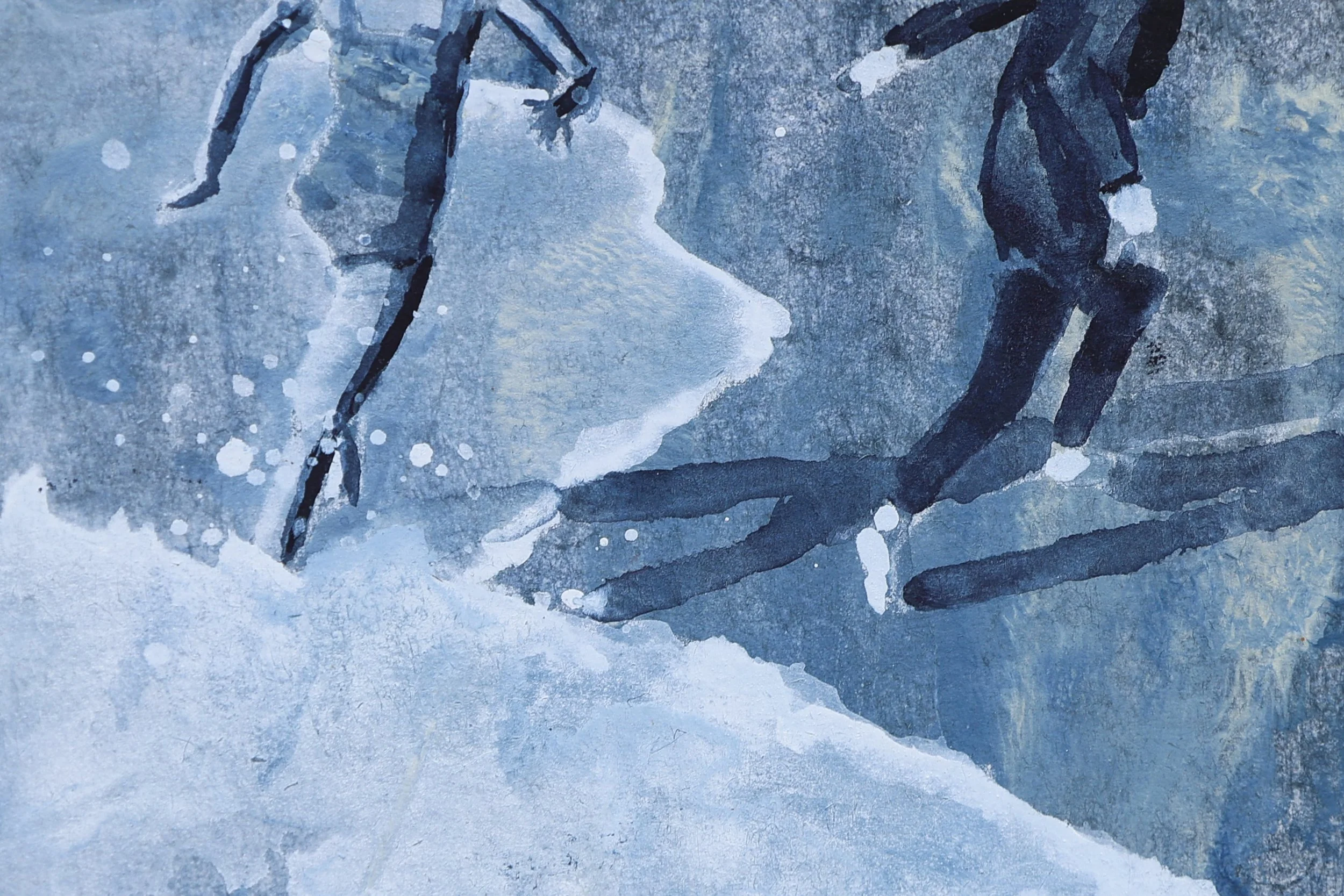
2025
9"x12", Acrylic and watercolor on panel
Inspired by the work of postcolonial theorist Gayatri Spivak, these pieces use the metaphor of travel to explore the tension between isolation and connection. Spivak’s concept of the "subaltern" invites us to reflect on whose voices are heard and whose are silenced in spaces dominated by verbal norms. Untitled 1 and Untitled 2 encourage viewers to consider the importance of non-verbal forms of knowledge—sensory (including visual and kinesthetic), intuitive, innate, and communal—as pathways to connection and belonging.
2023
Watercolor, acrylic, gouache, pencil, pen, and ink on found paper
8 x 6 inches (12 pieces)
What is life like on the margins?
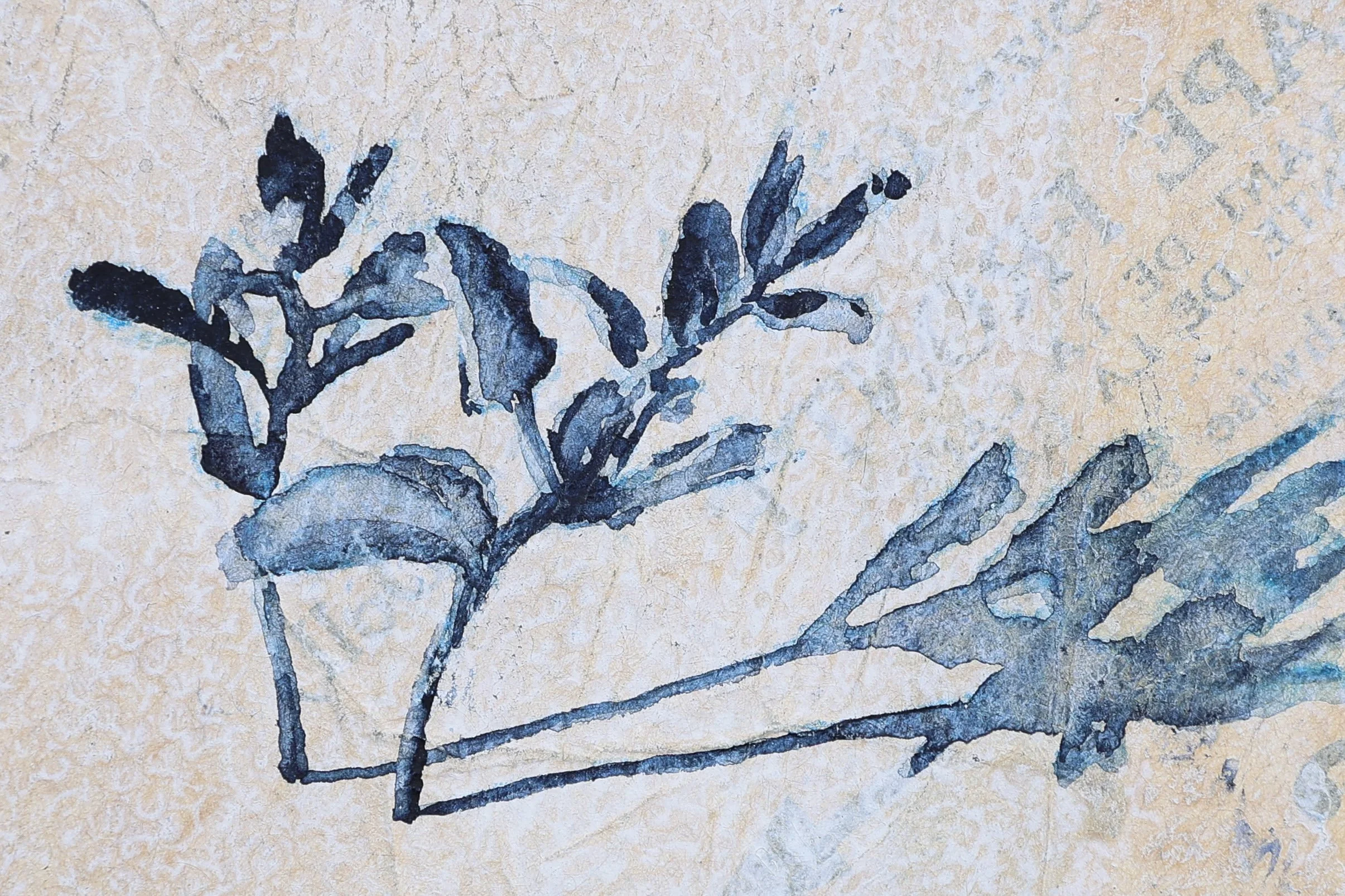
This mixed media series explores the unique gifts and challenges of life on the margins for the plants and people who live there. Halophytes (salt-tolerant plants) and autistic people both live on the margins and face constant bombardment from toxic stimuli, yet find unique strategies to regulate and survive. While these outsiders are sensitive and at risk, they are also critically important to future life on earth. Who else is absorbed by the unknown and can help us navigate it?
2022
Mixed media on found paper
10.5 x 8.5 inches (7 pieces)
2018
Watercolor, acrylic, pencil, pen, and ink on found paper
8.5 x 5.5 inches (8 pieces)
An autobiographical series exploring the themes of identity and relationship in early motherhood. Created with mixed media, this celestial landscape is full of discovery, fear, hope, loss, and celebration.
2022
Digital photographs
Dimensions variable
A series of photographs taken at San Elijo Lagoon
2019-2020
Watercolor, charcoal, and pencil on paper
8 x 5 inches, 8 x 10 inches, and 16 x 10 inches
Series of three mixed media pieces exploring the effect of time on a mother’s relationships with her young children.