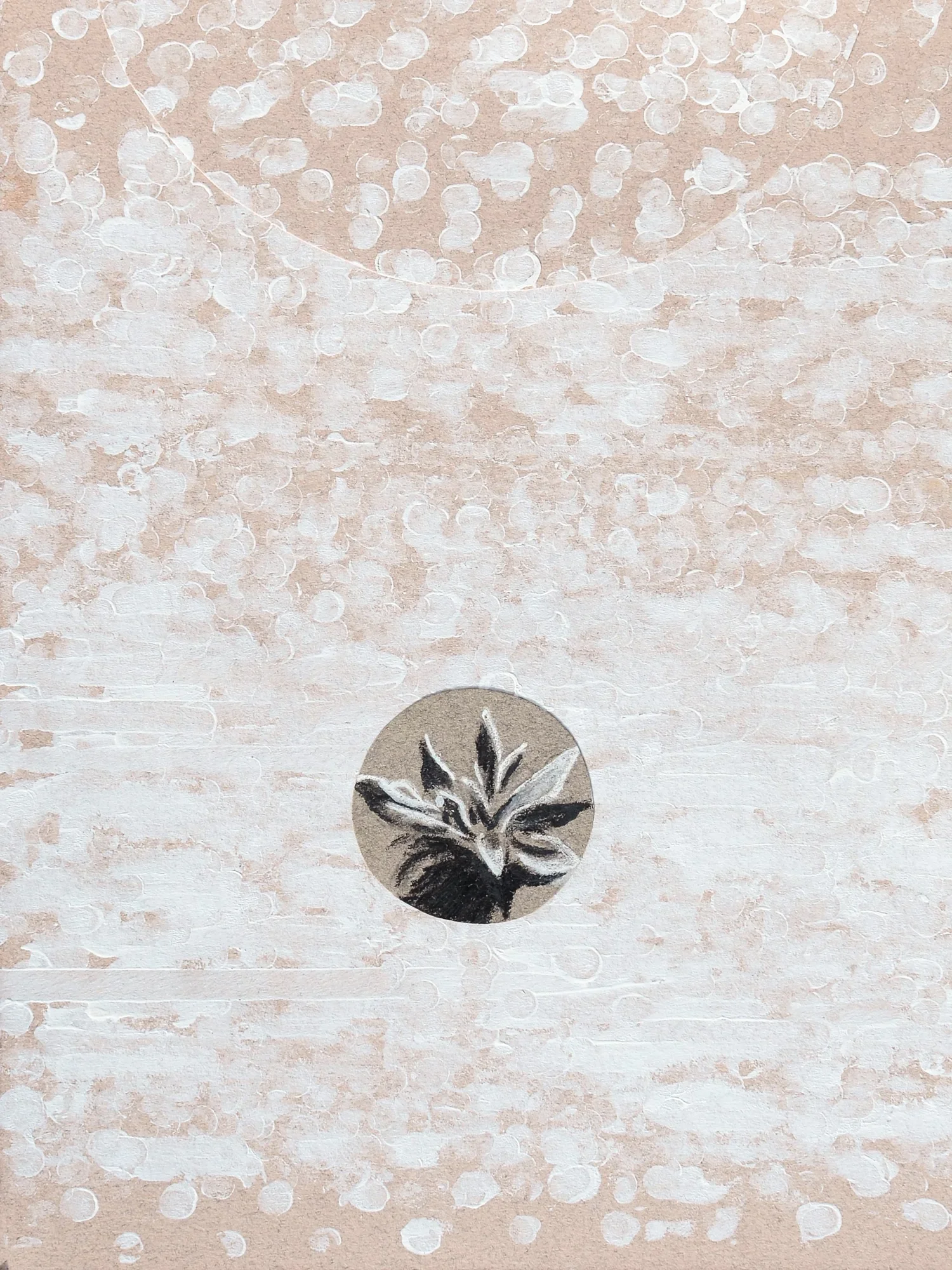
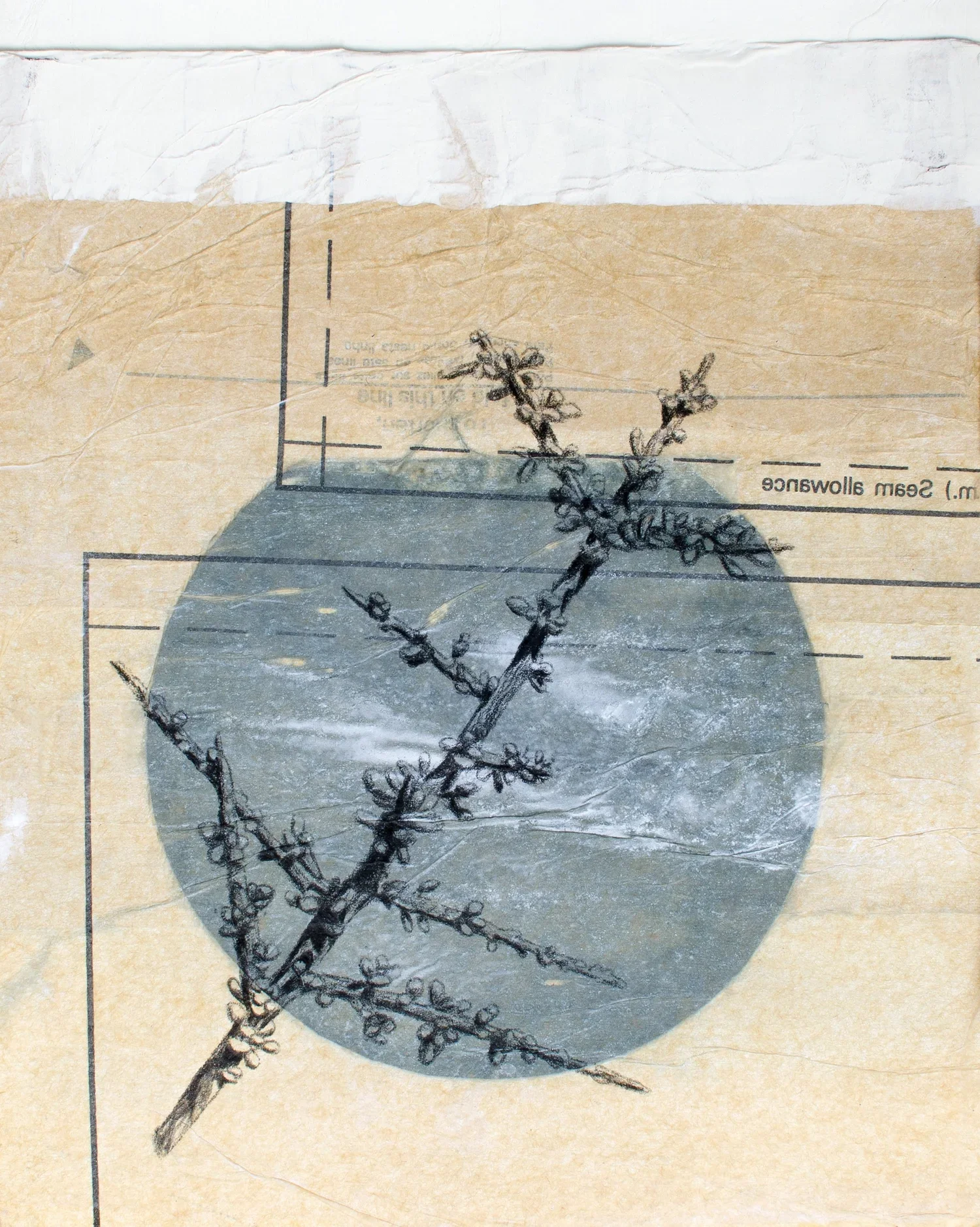
2025
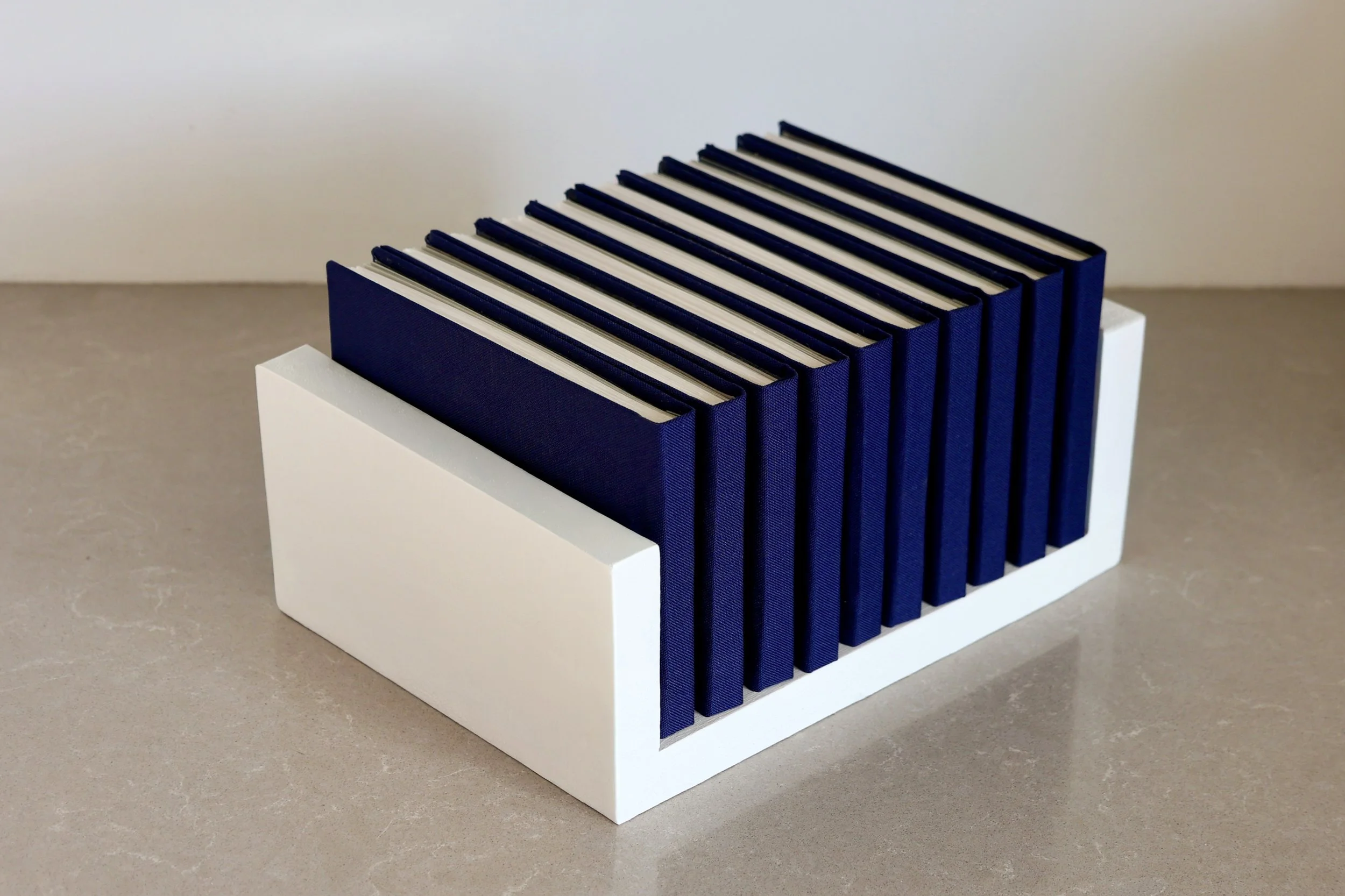
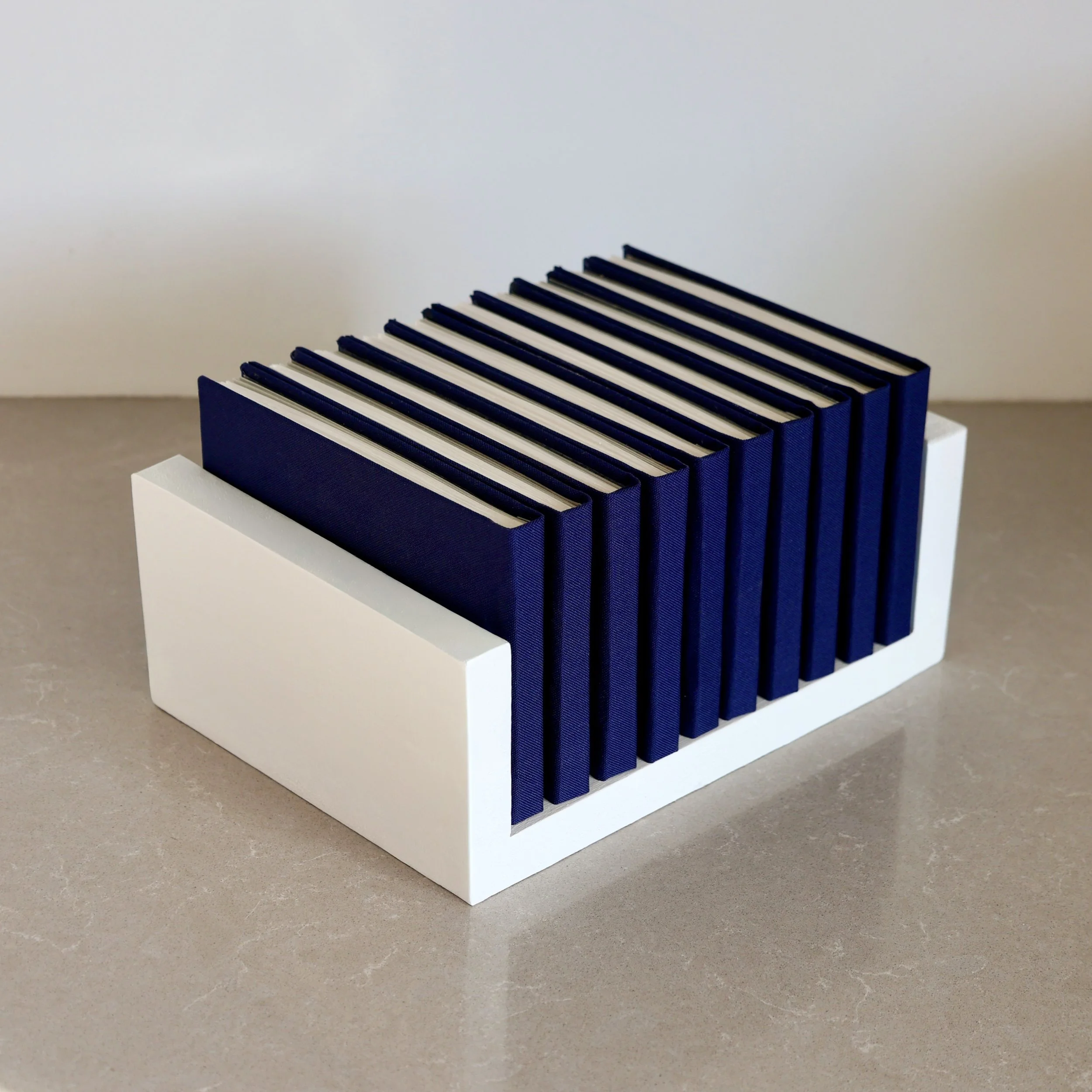
4.25 × 6.25 × 0.5 in (Series of 10)
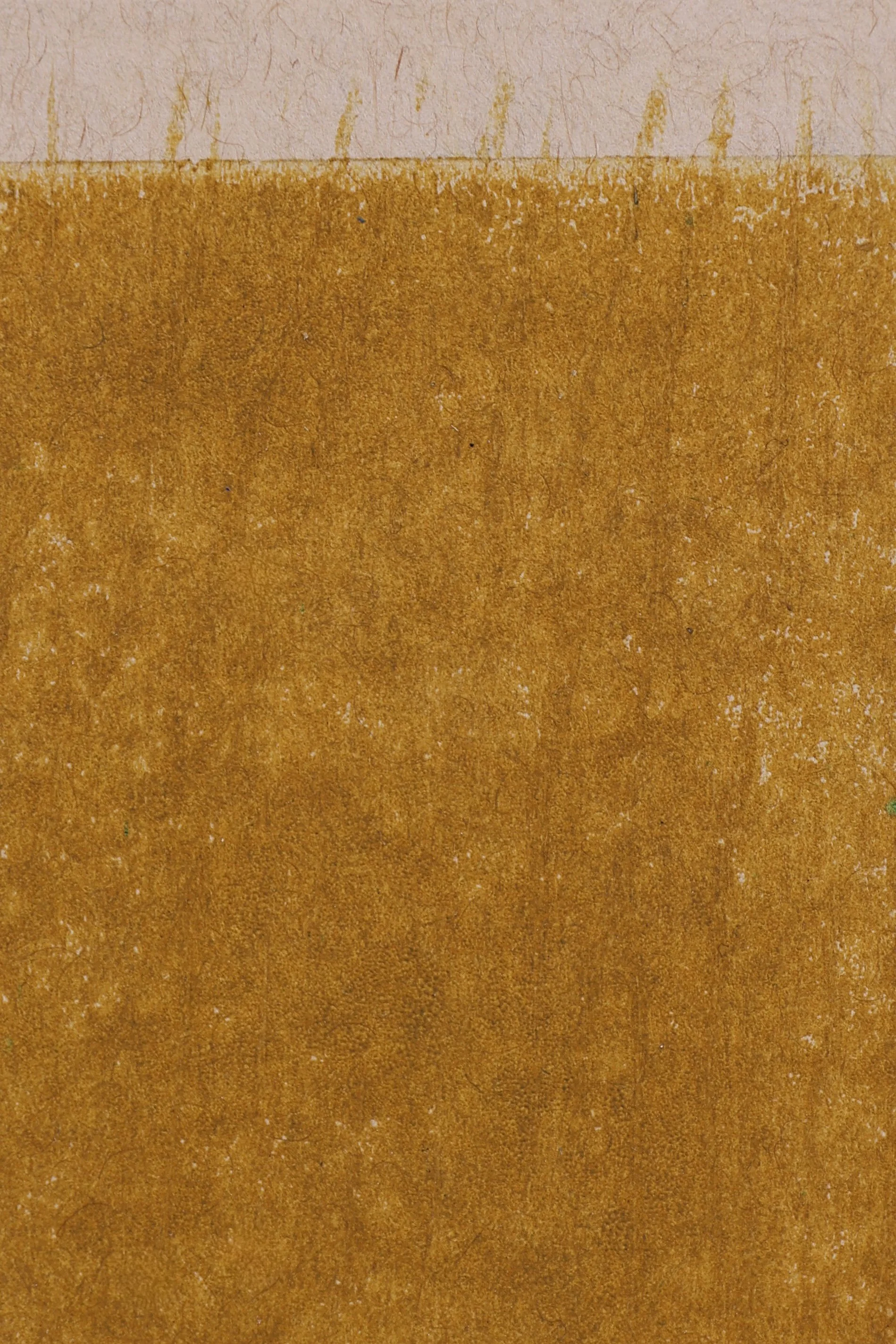
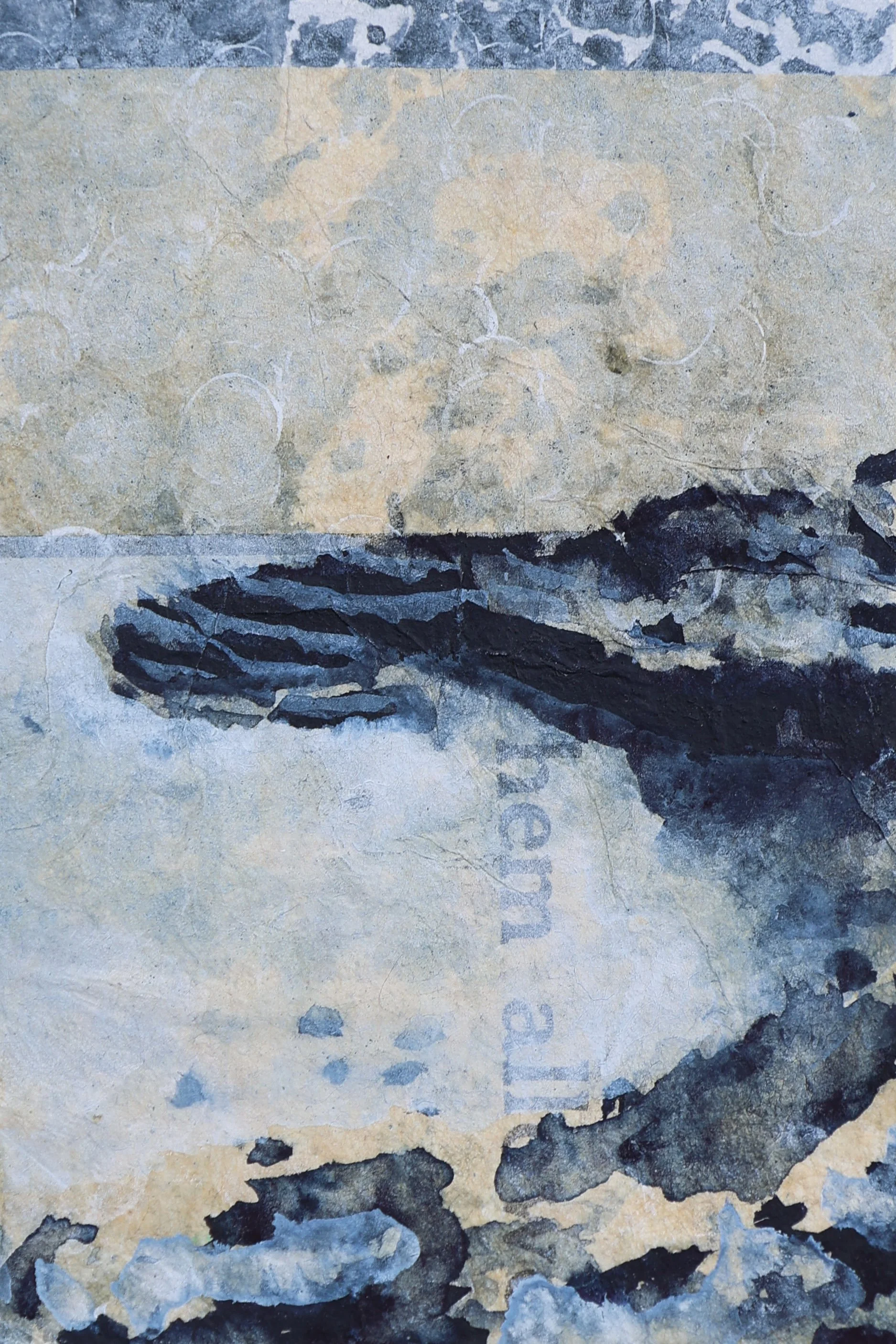
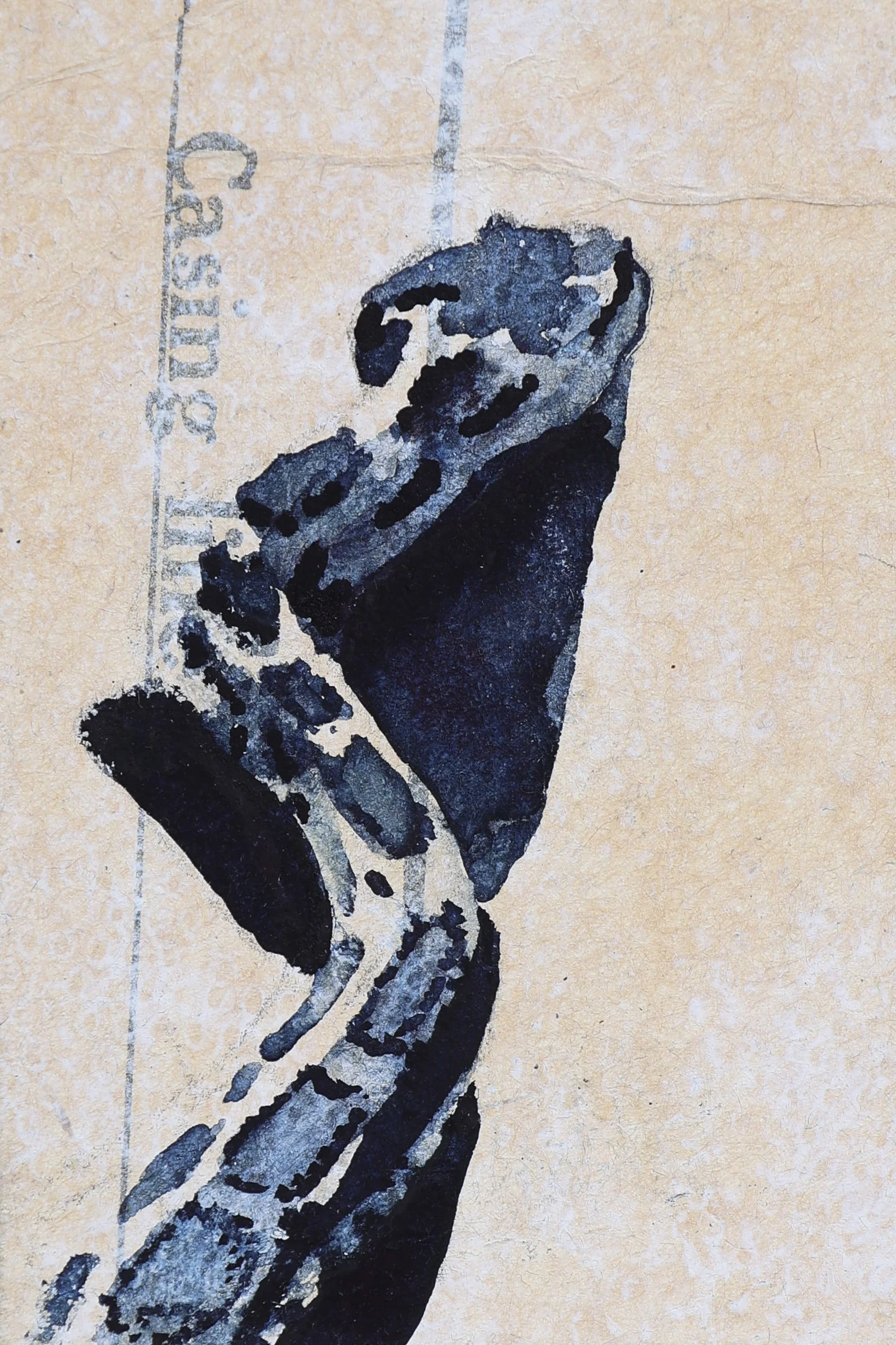
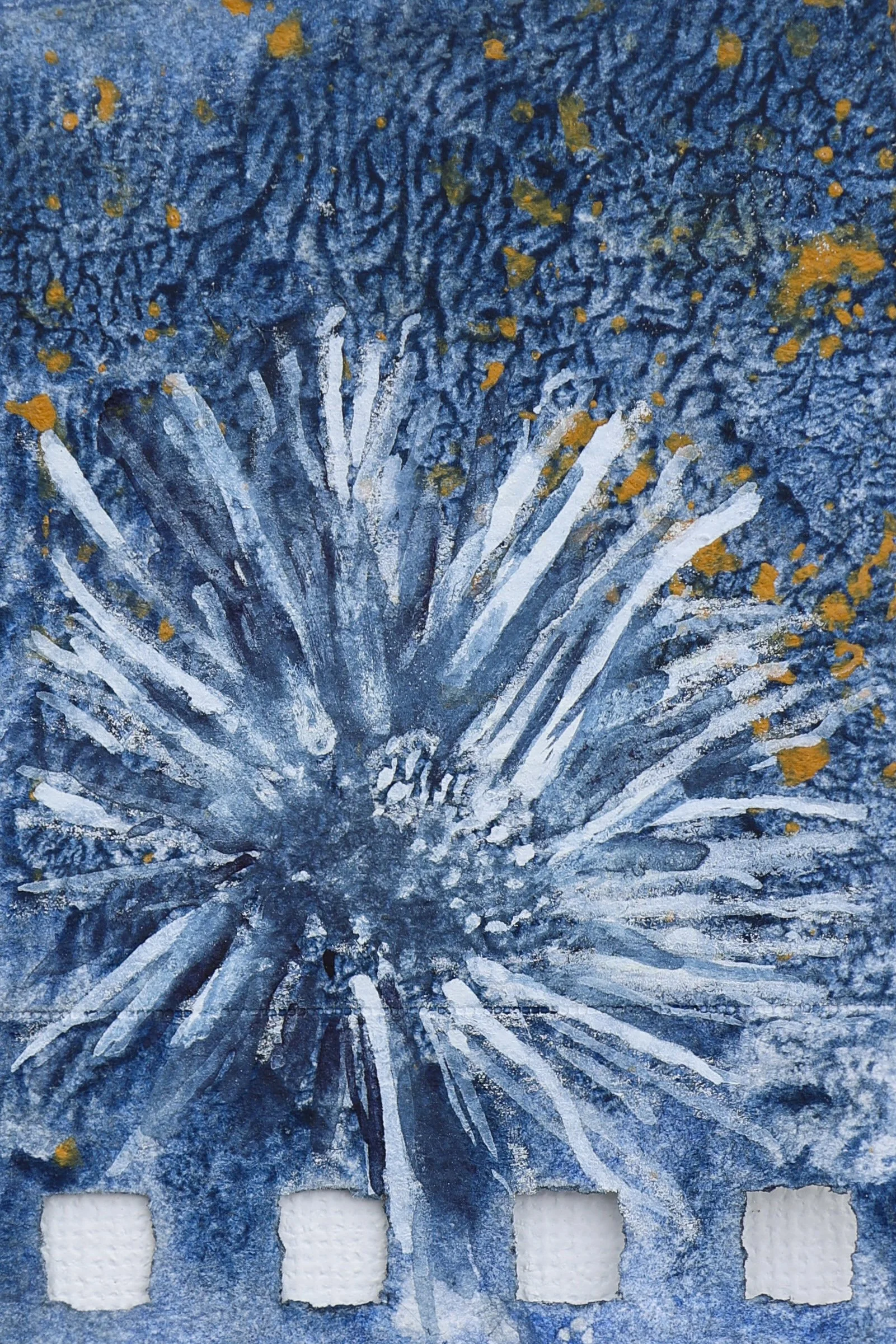
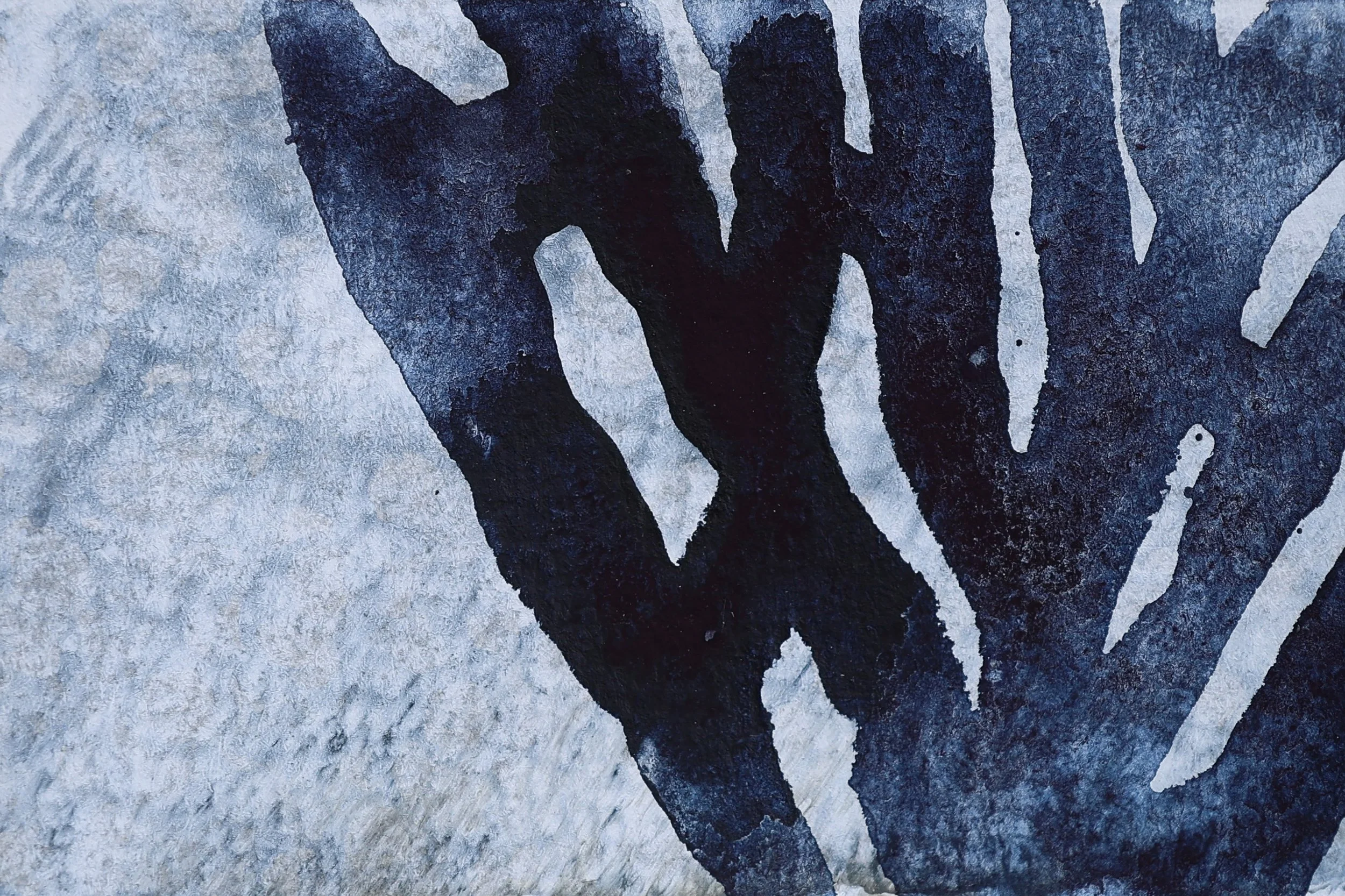
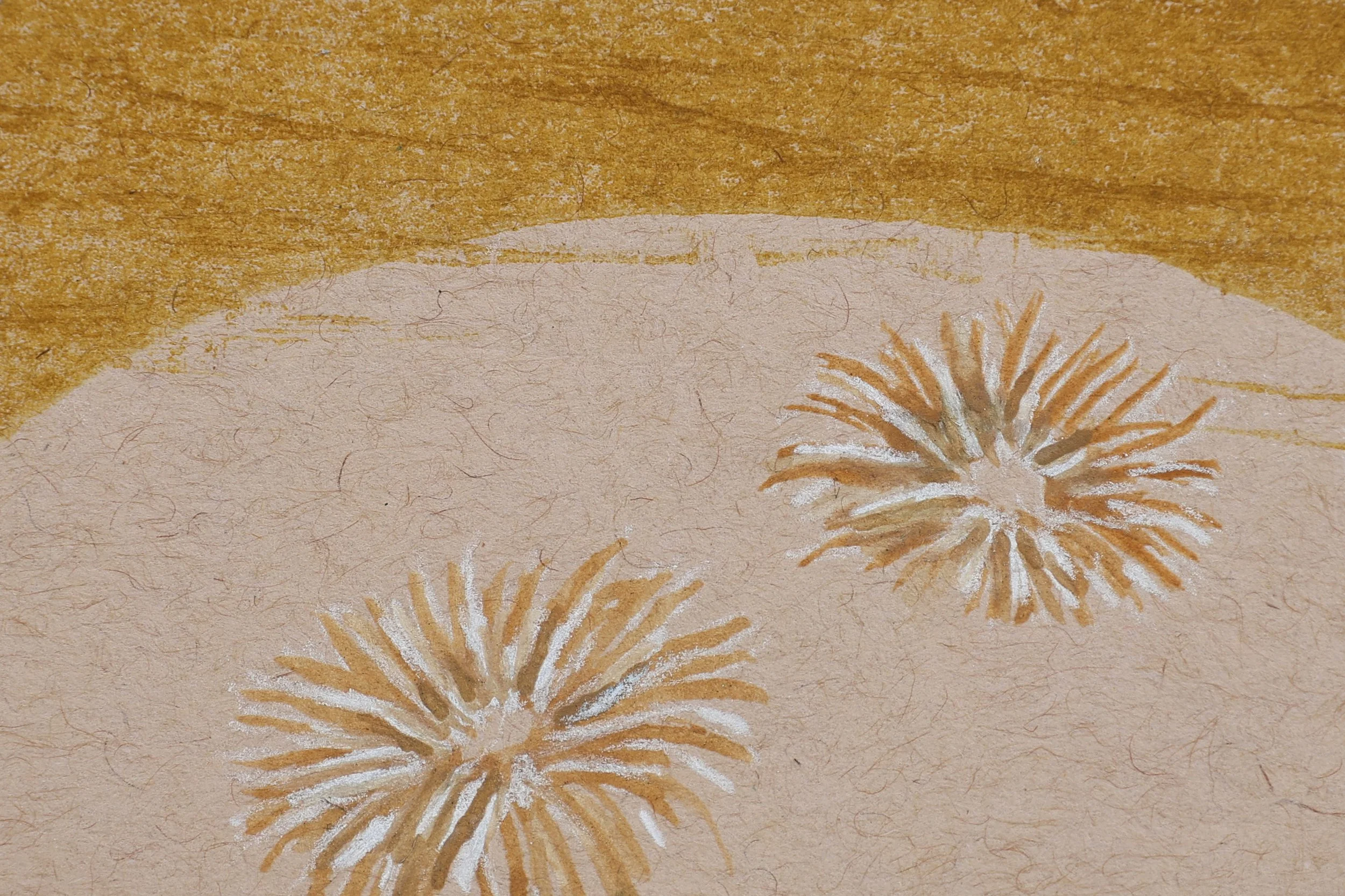
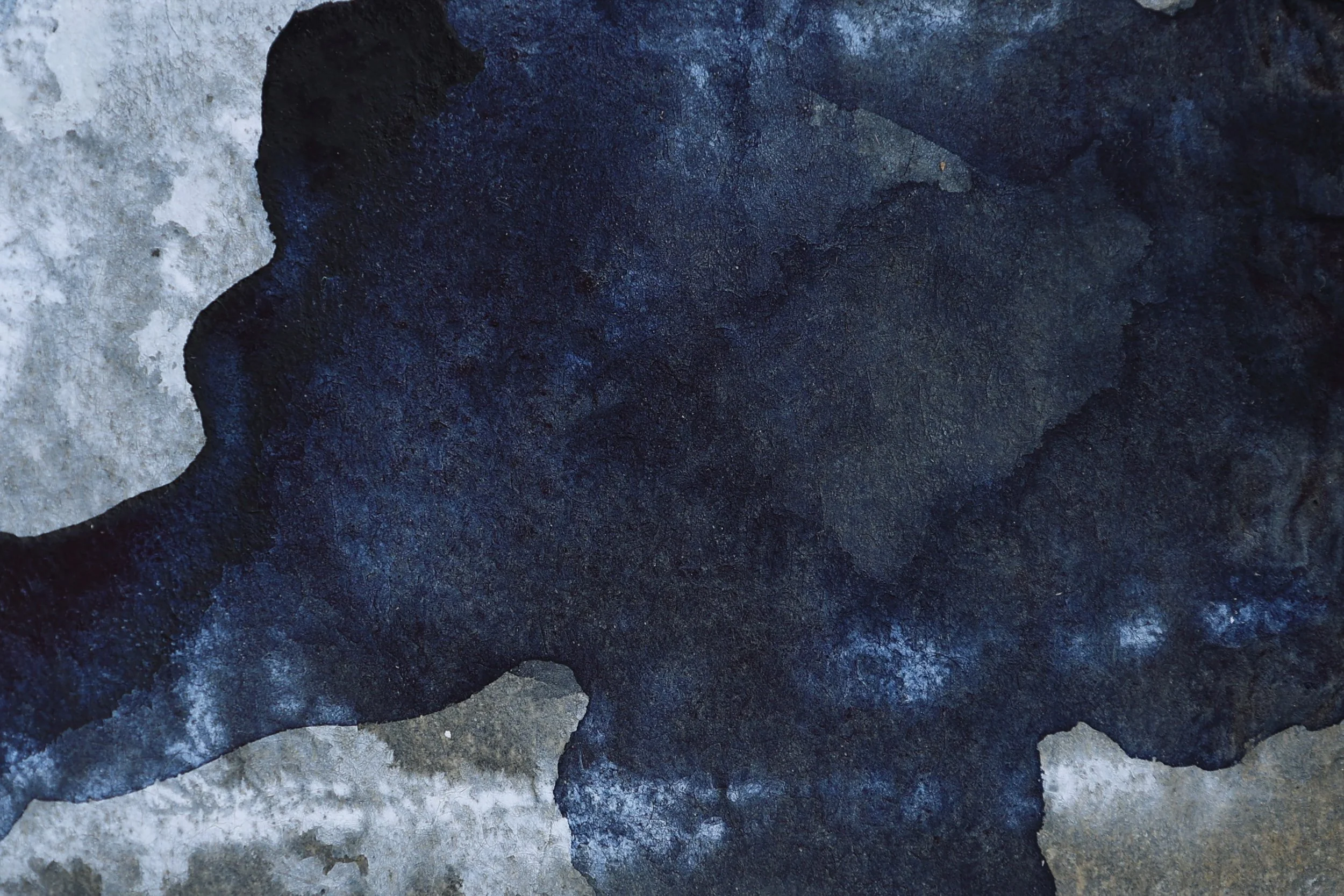
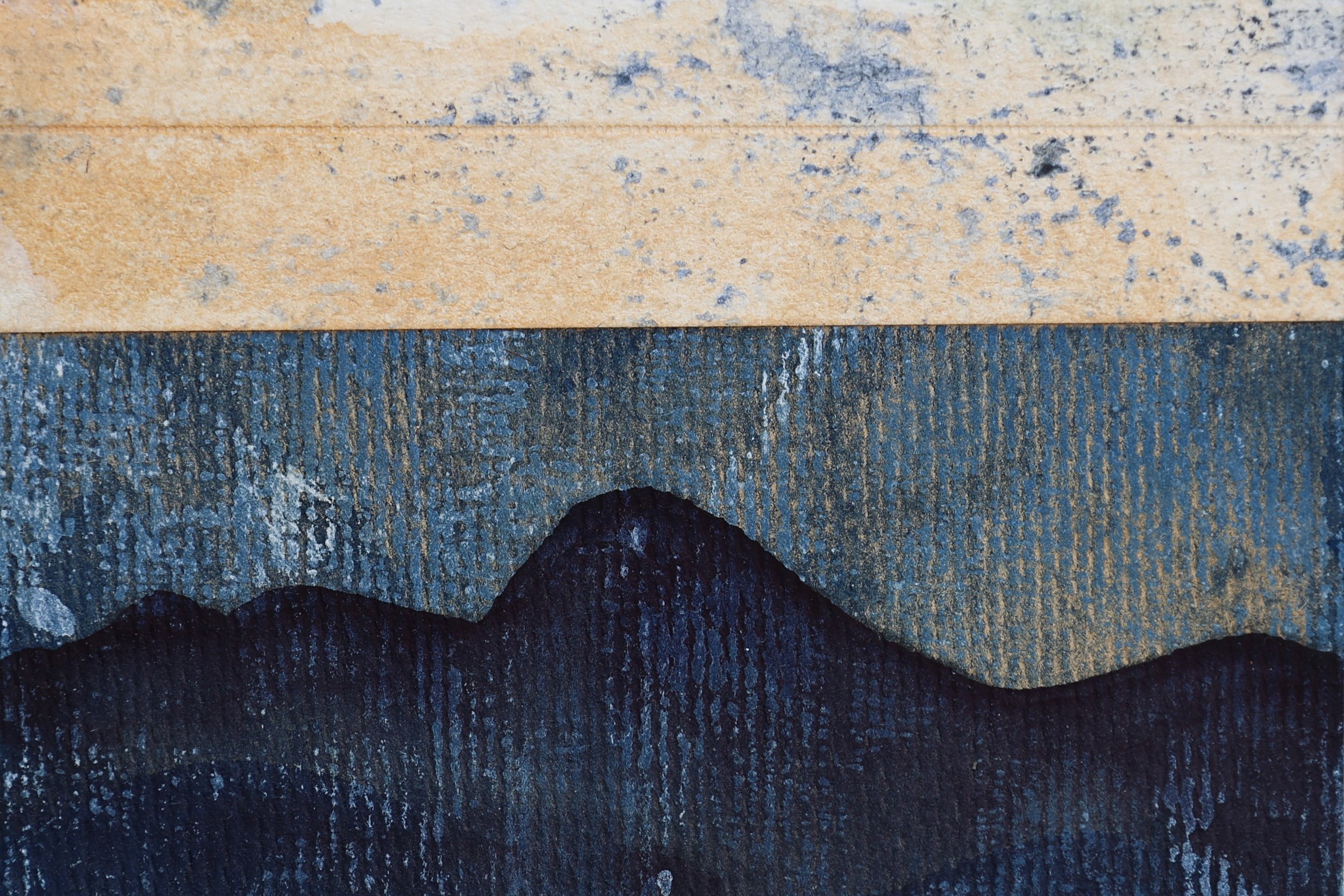
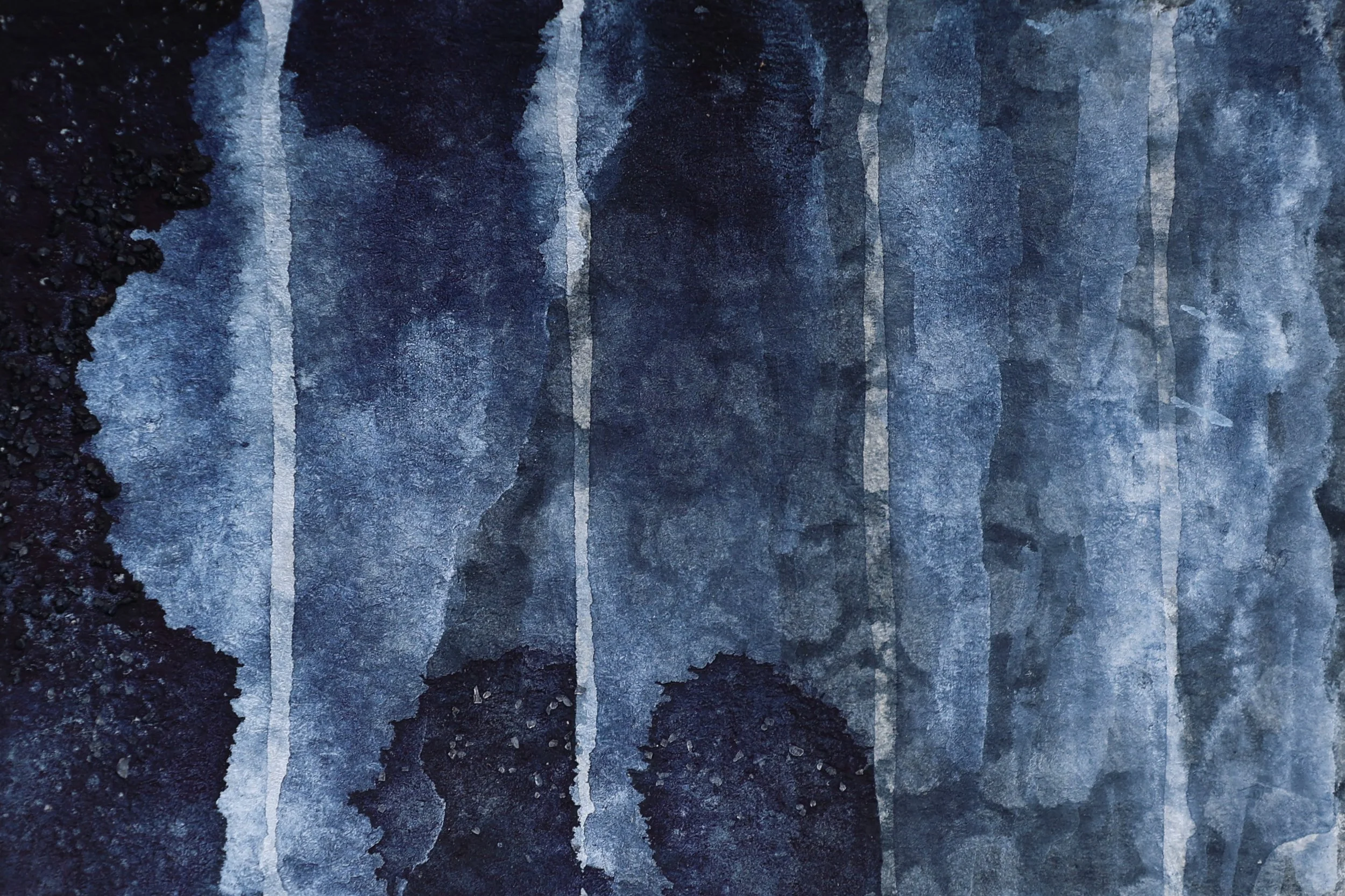
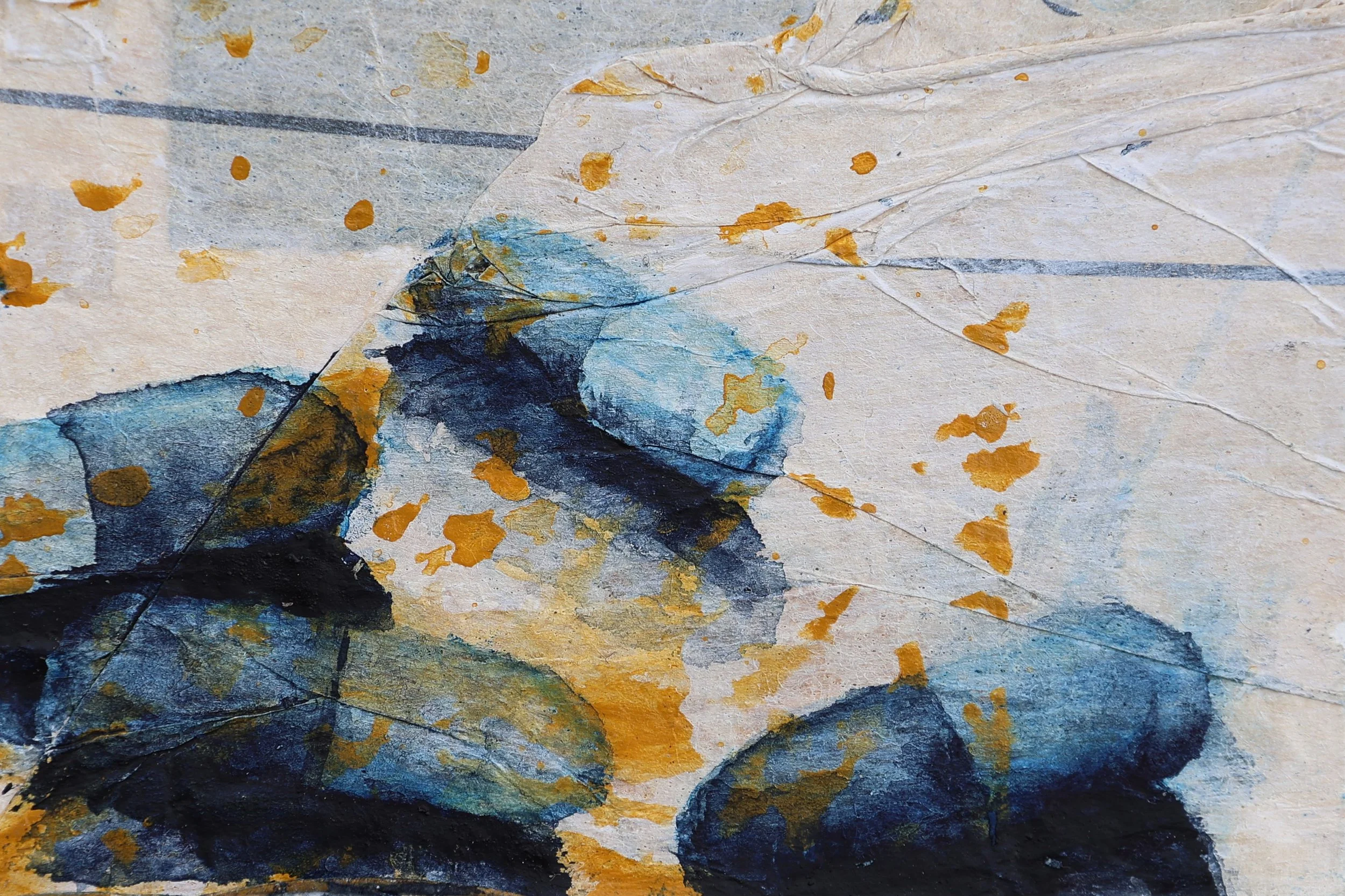
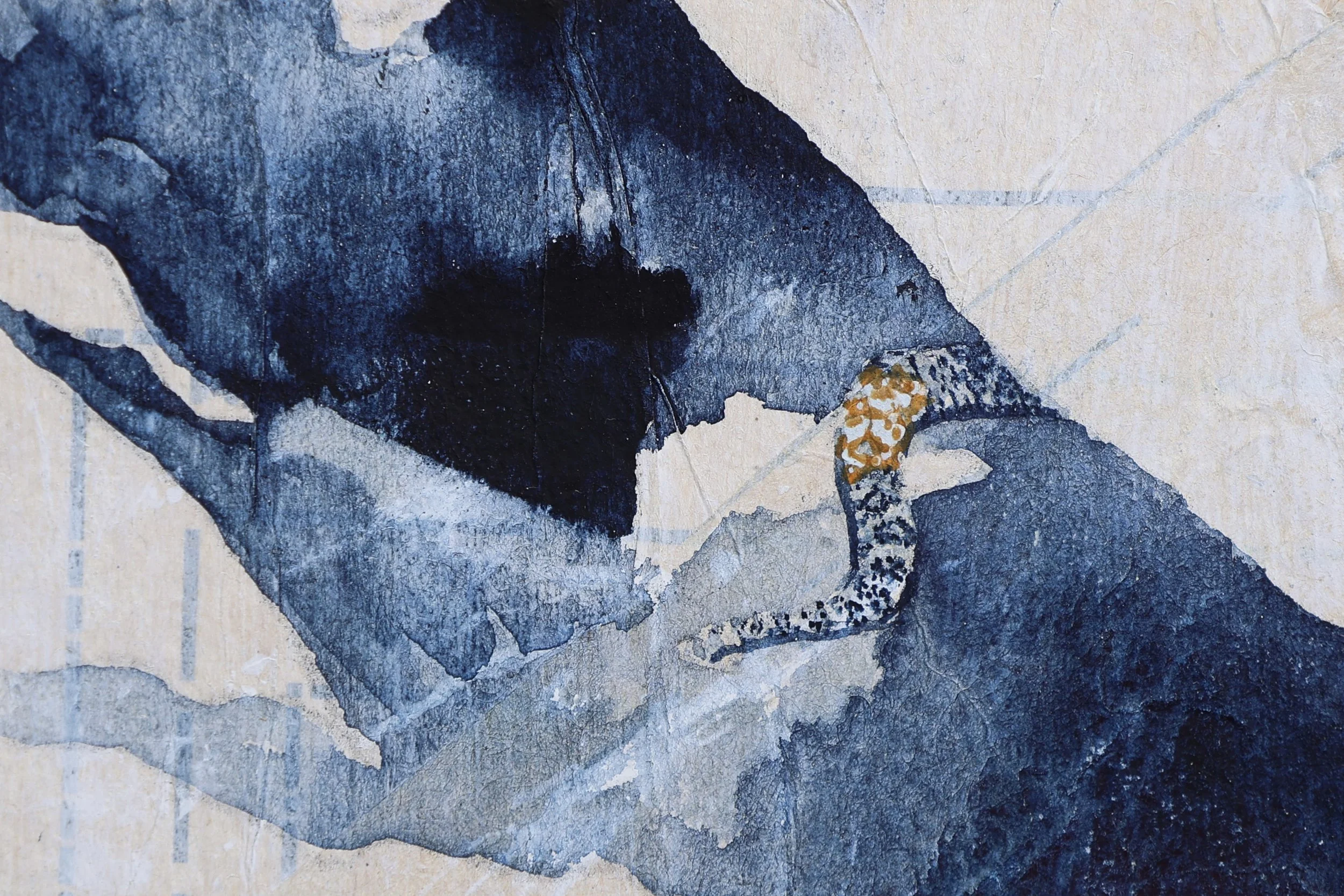
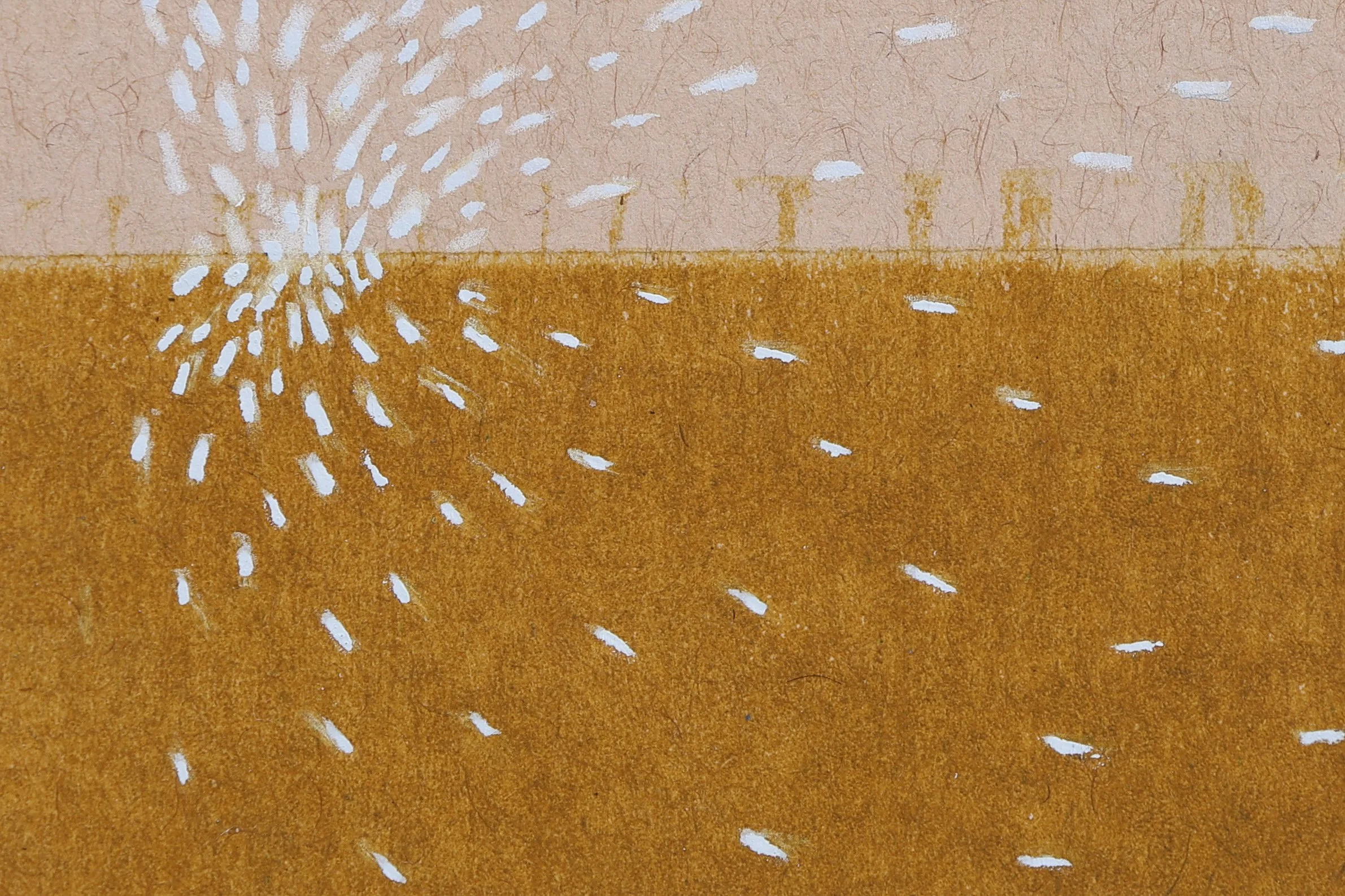
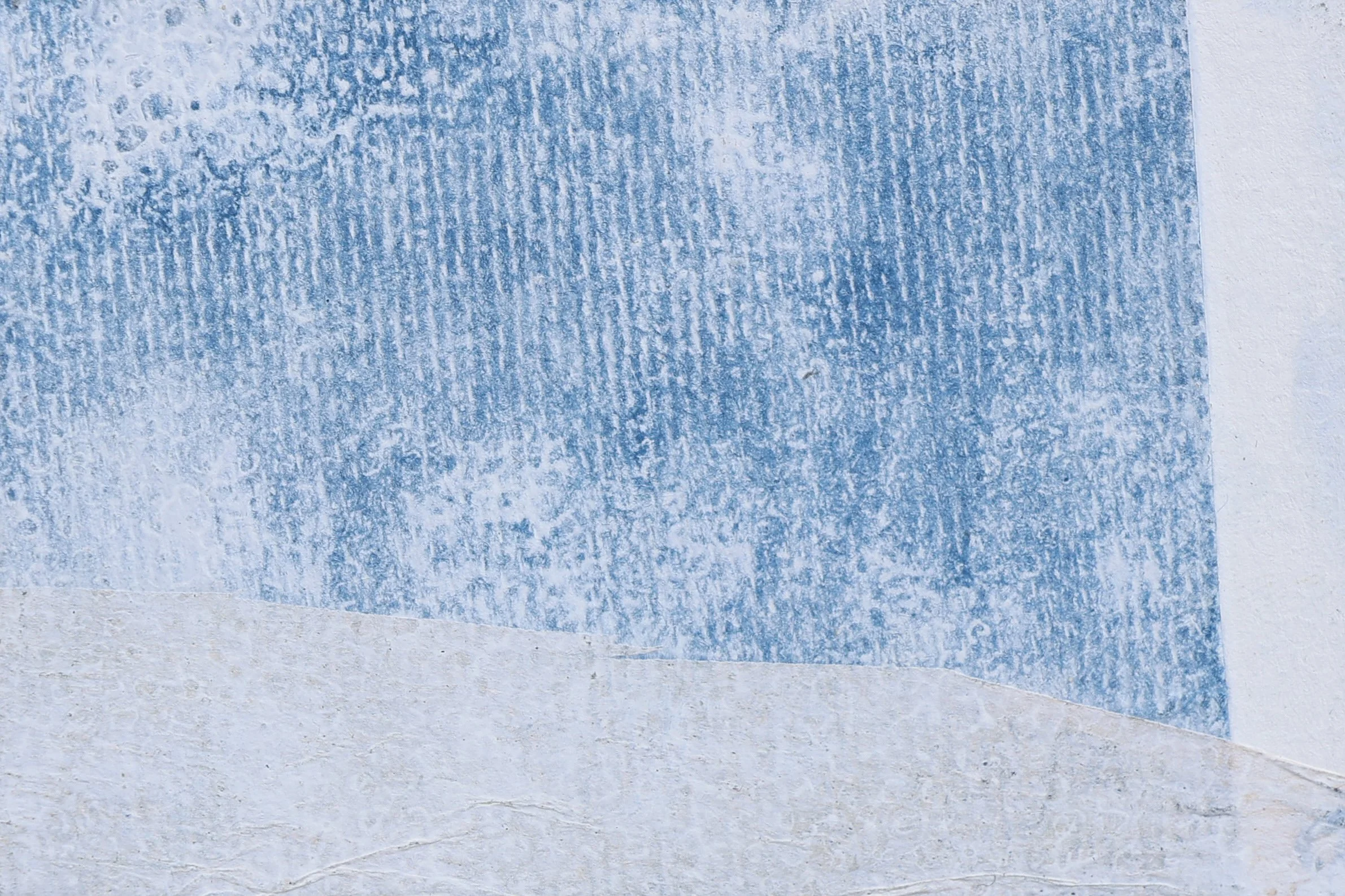
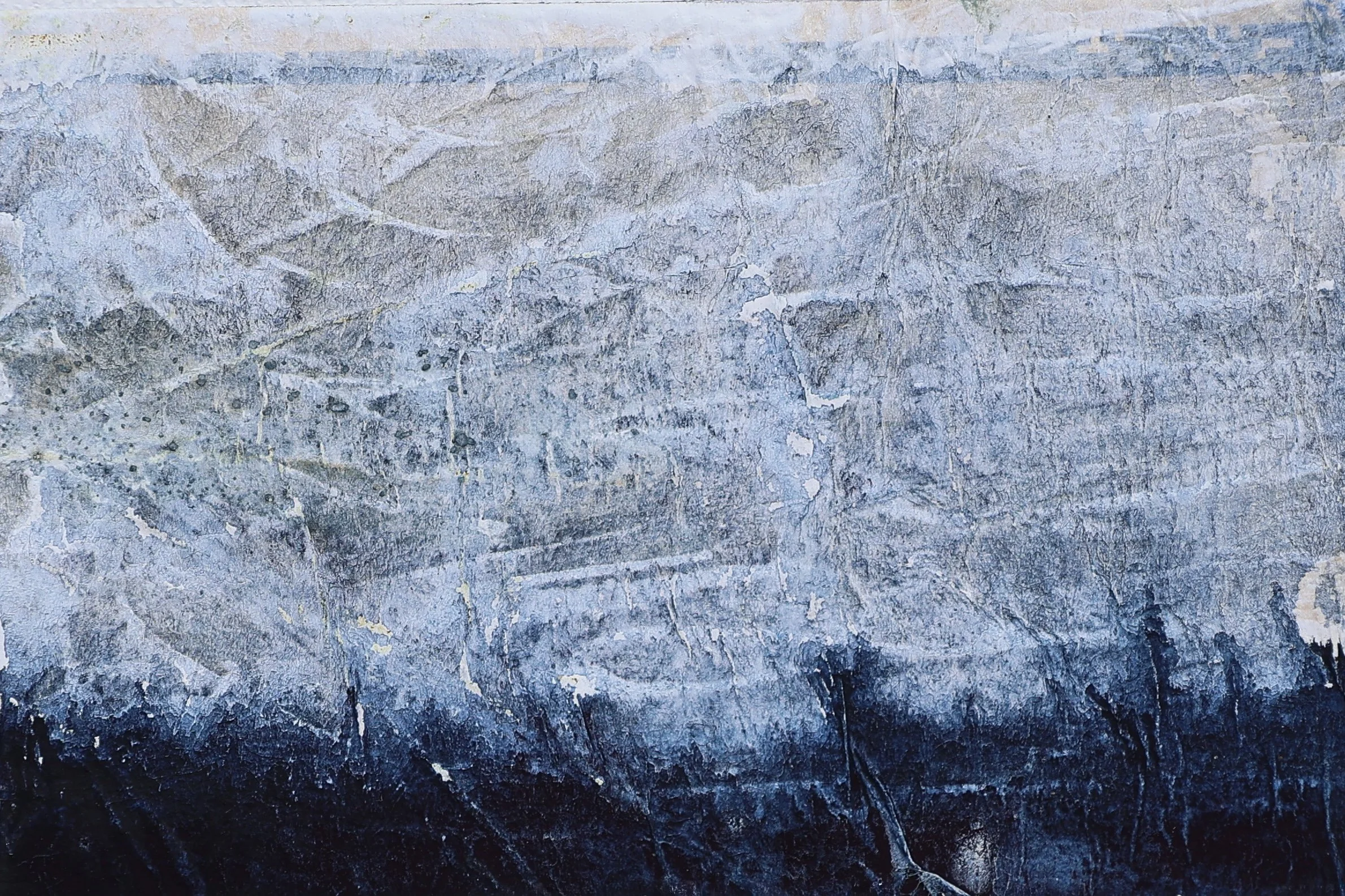
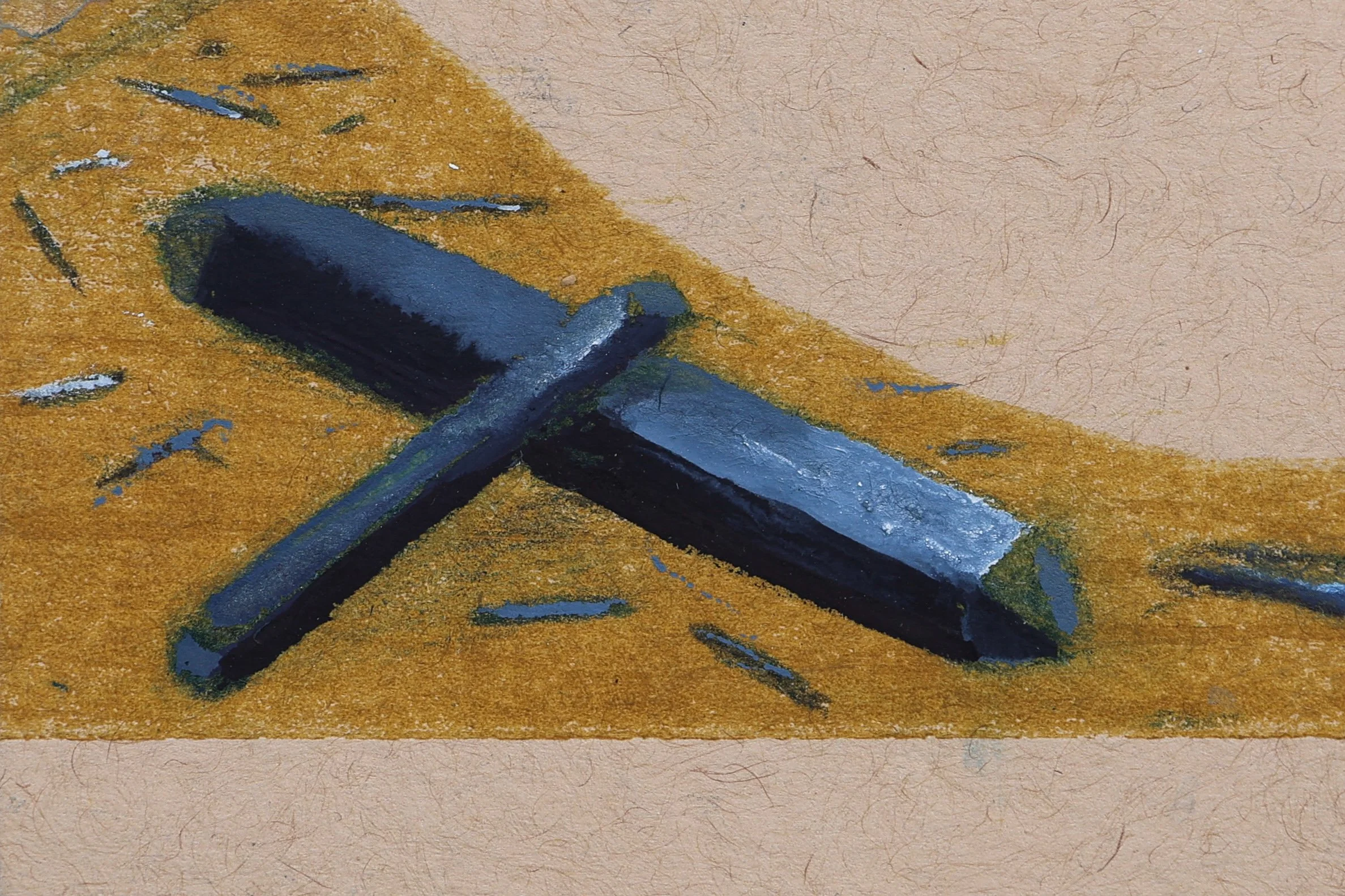
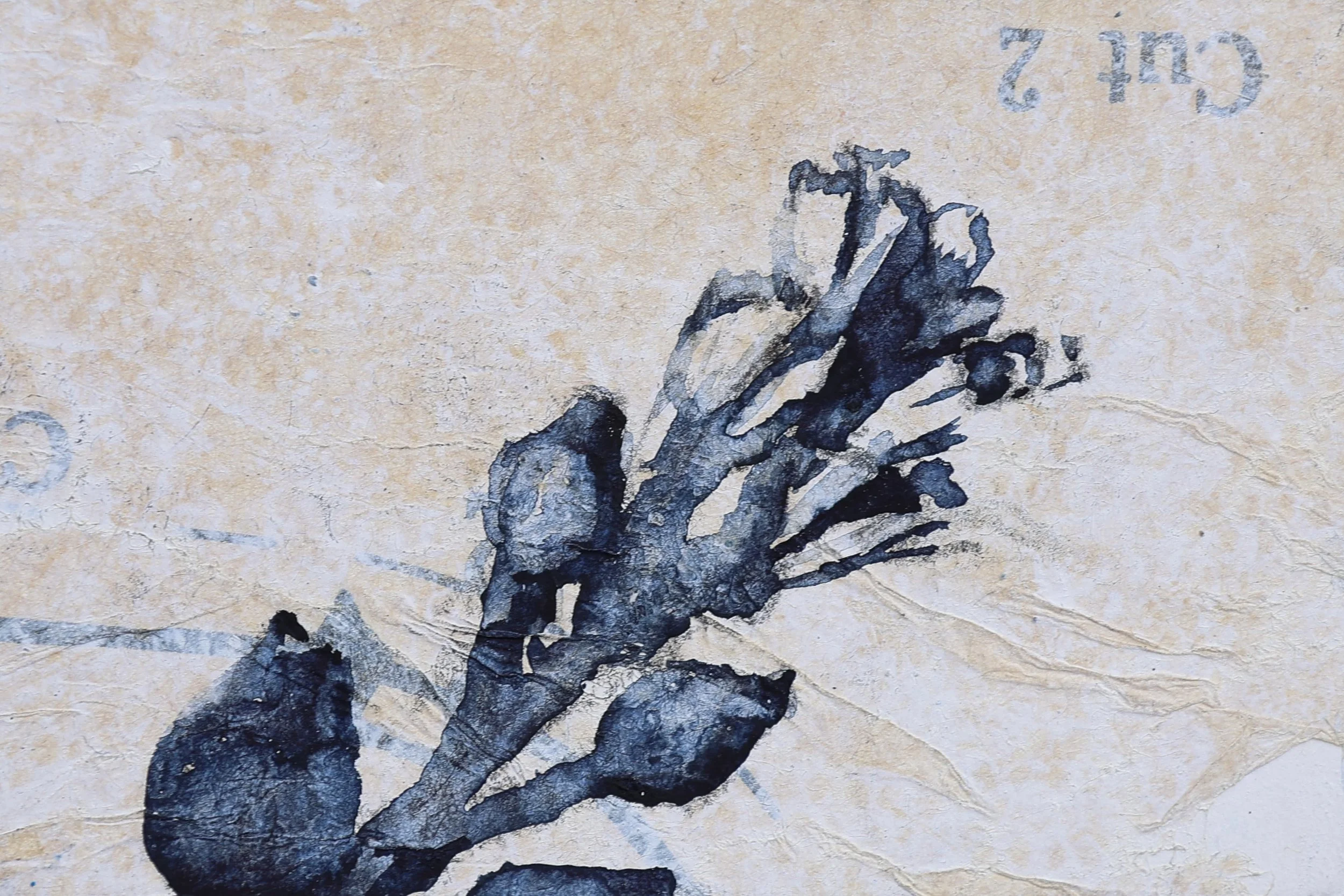
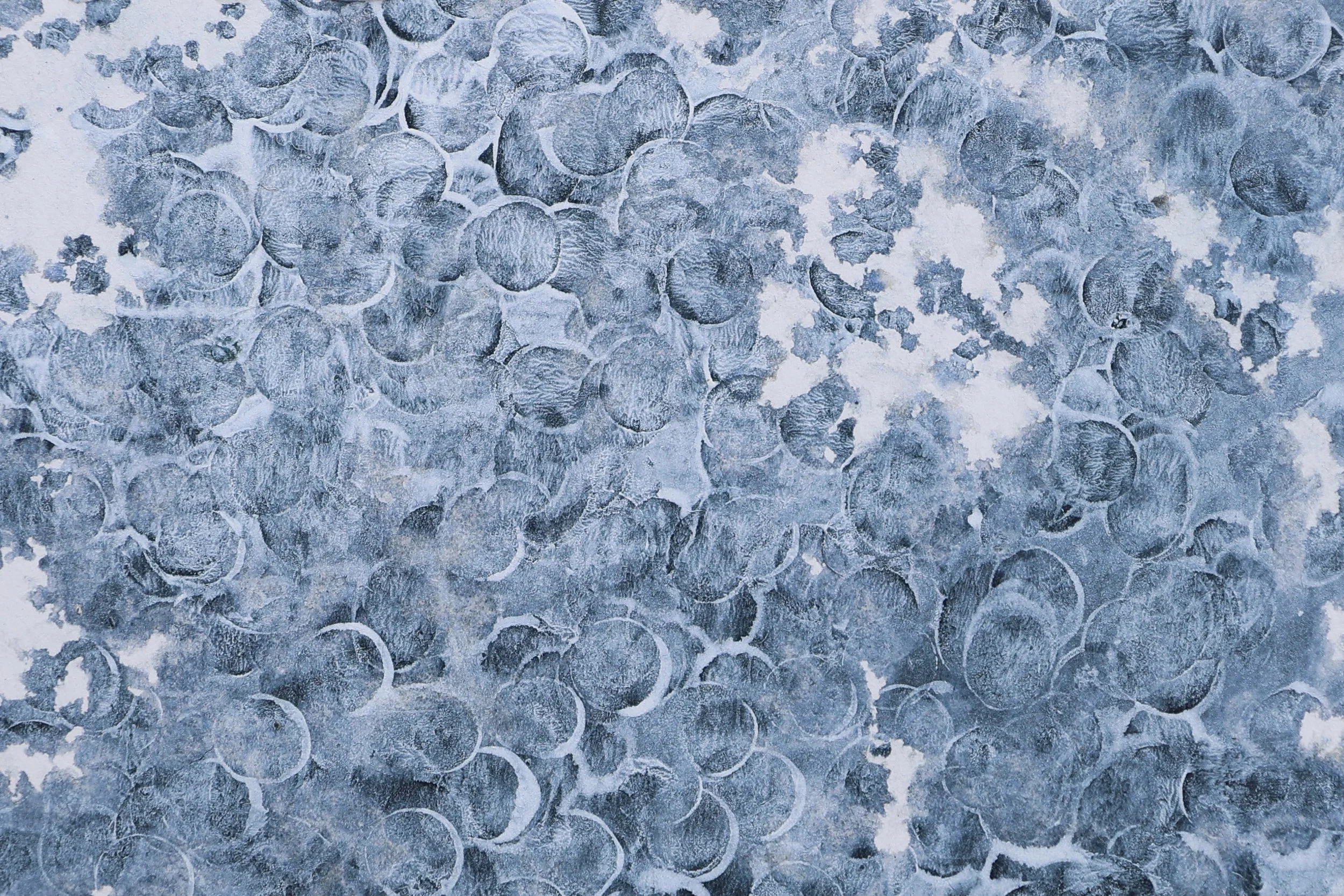
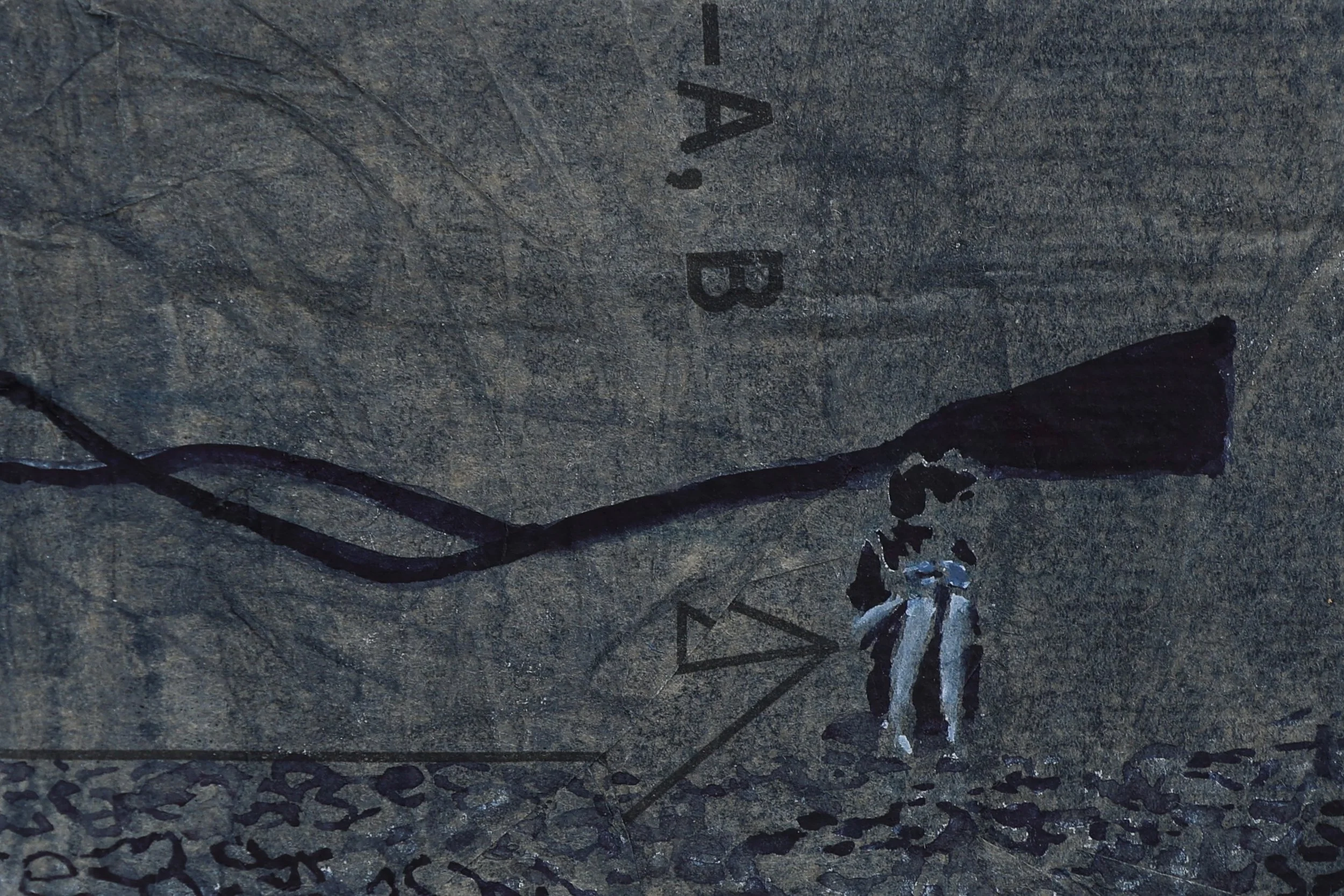
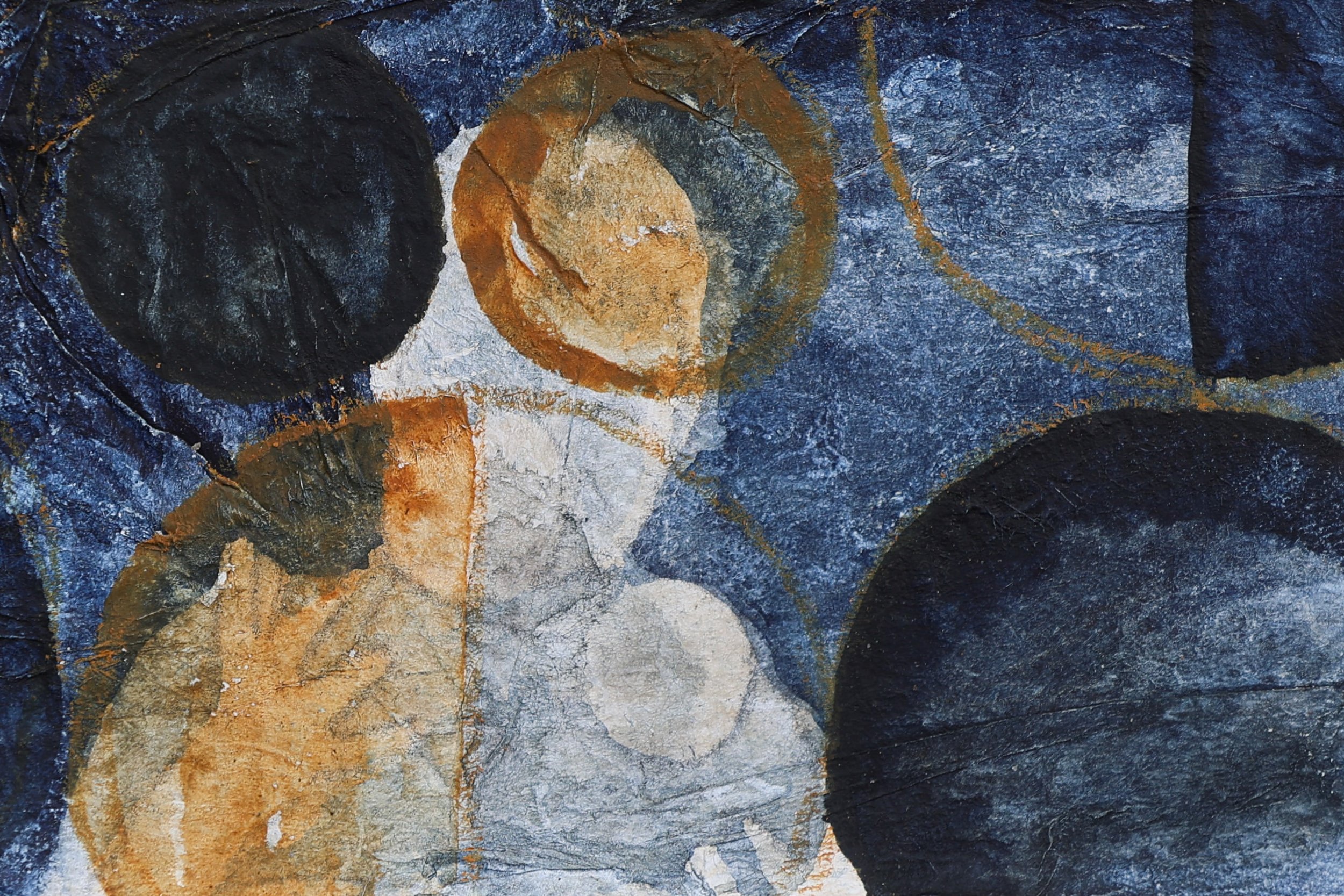
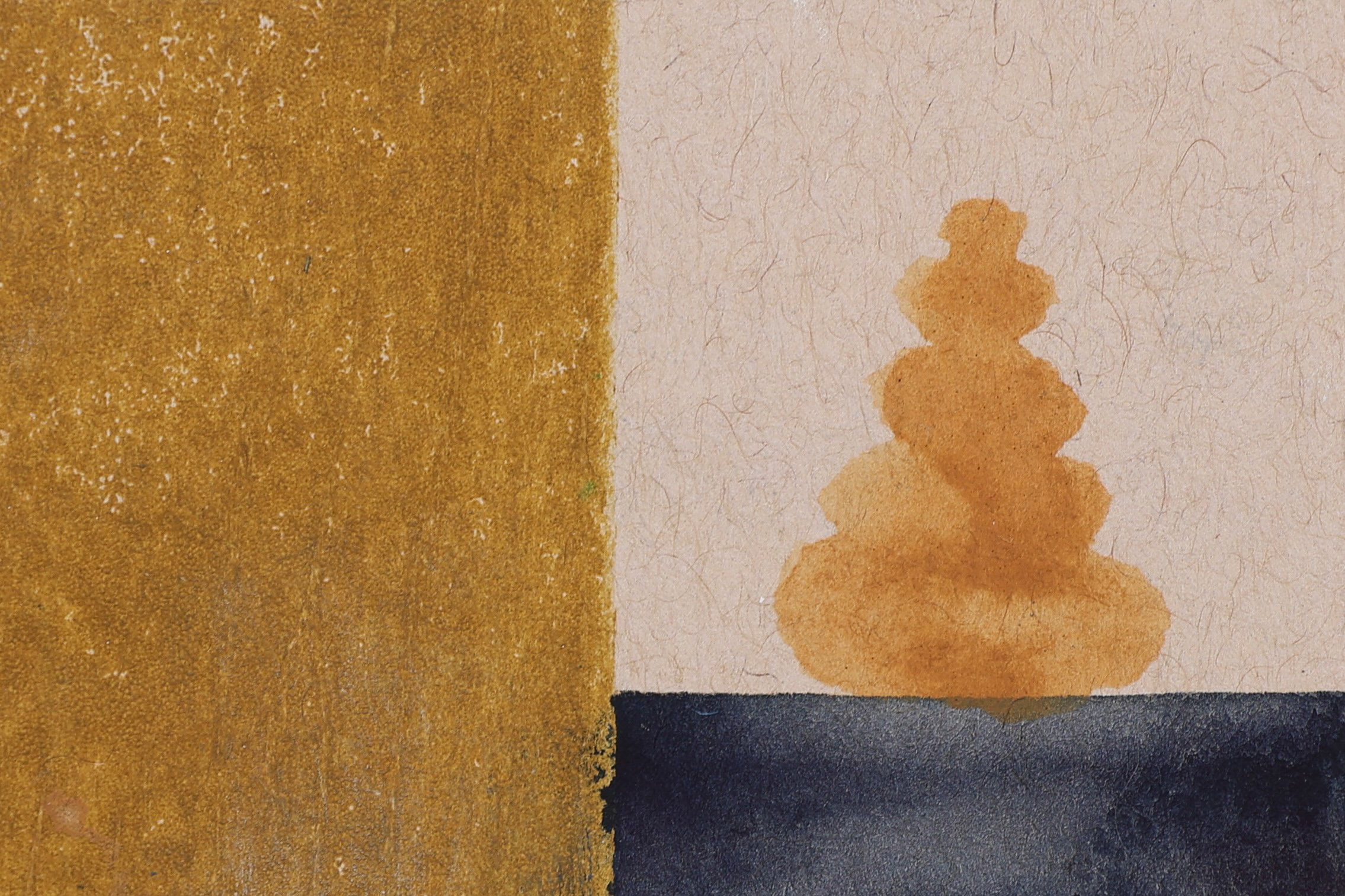
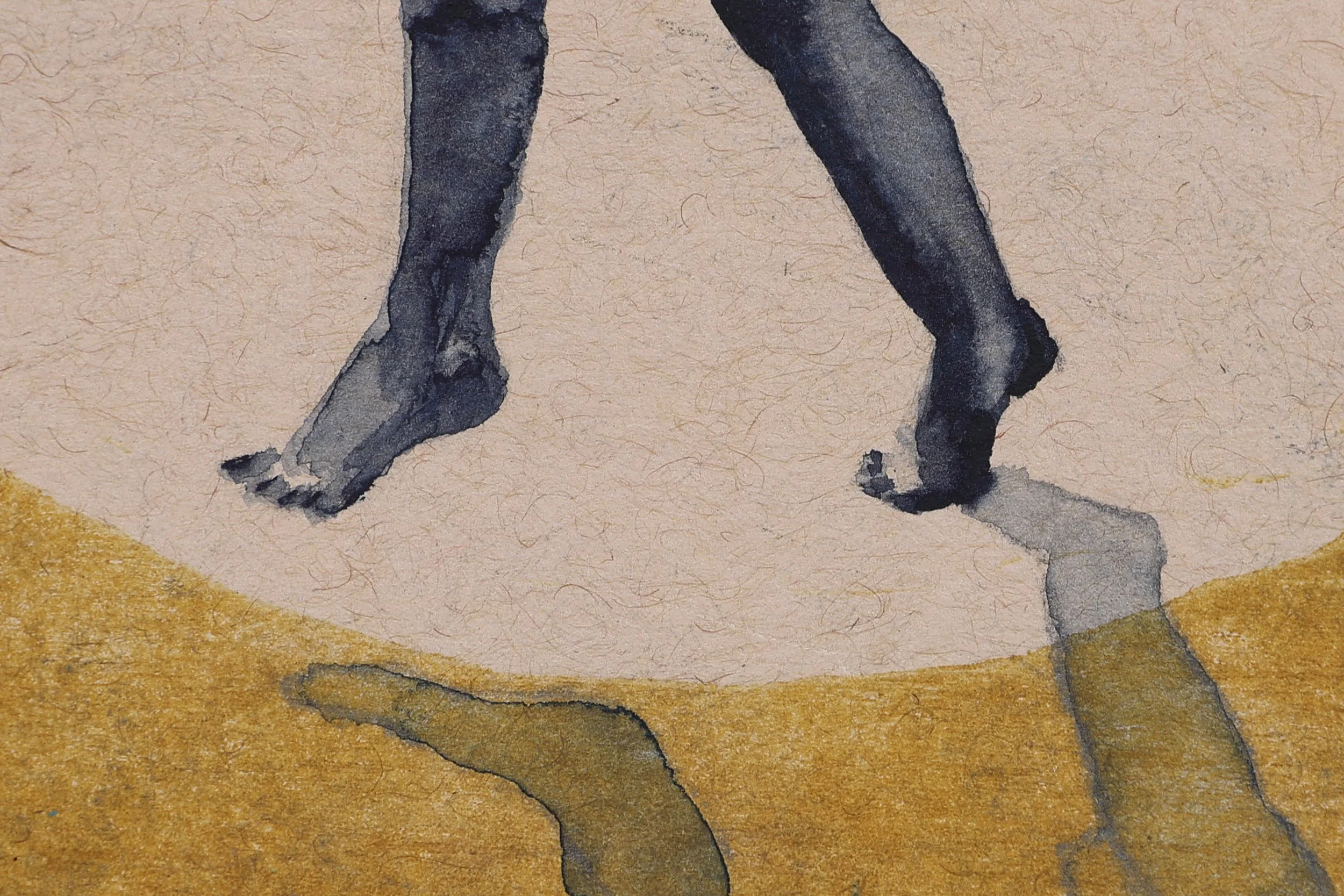
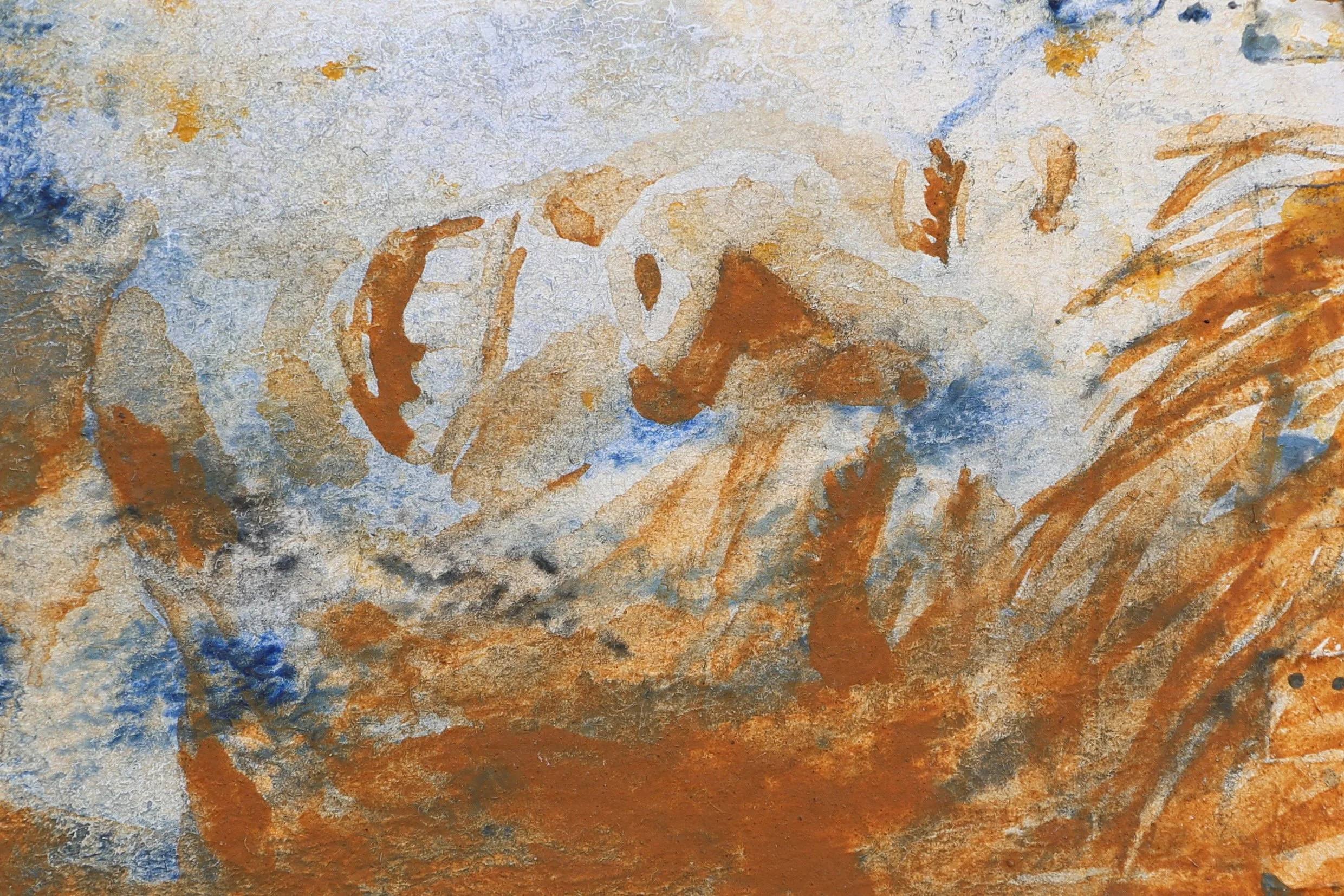
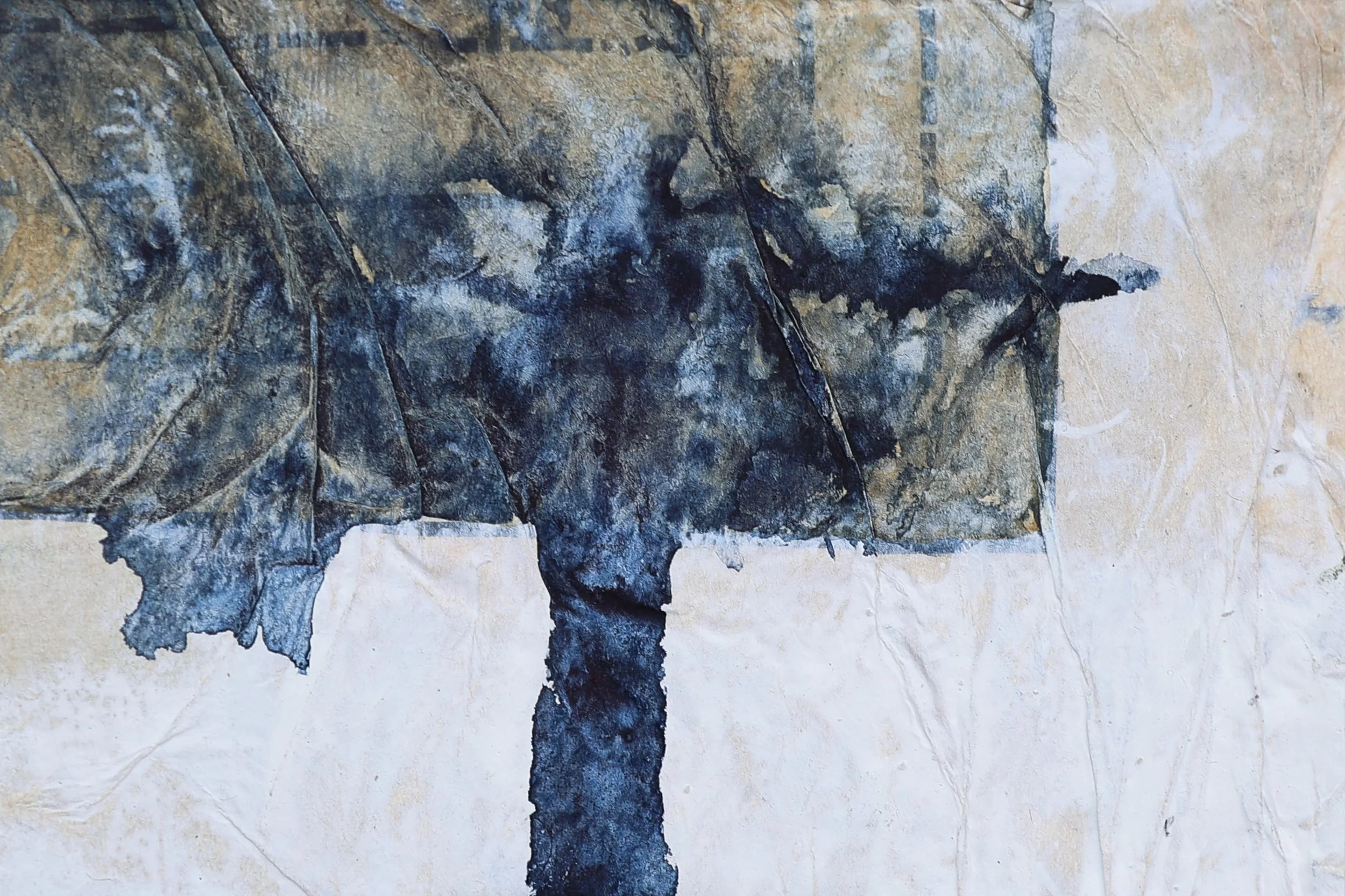
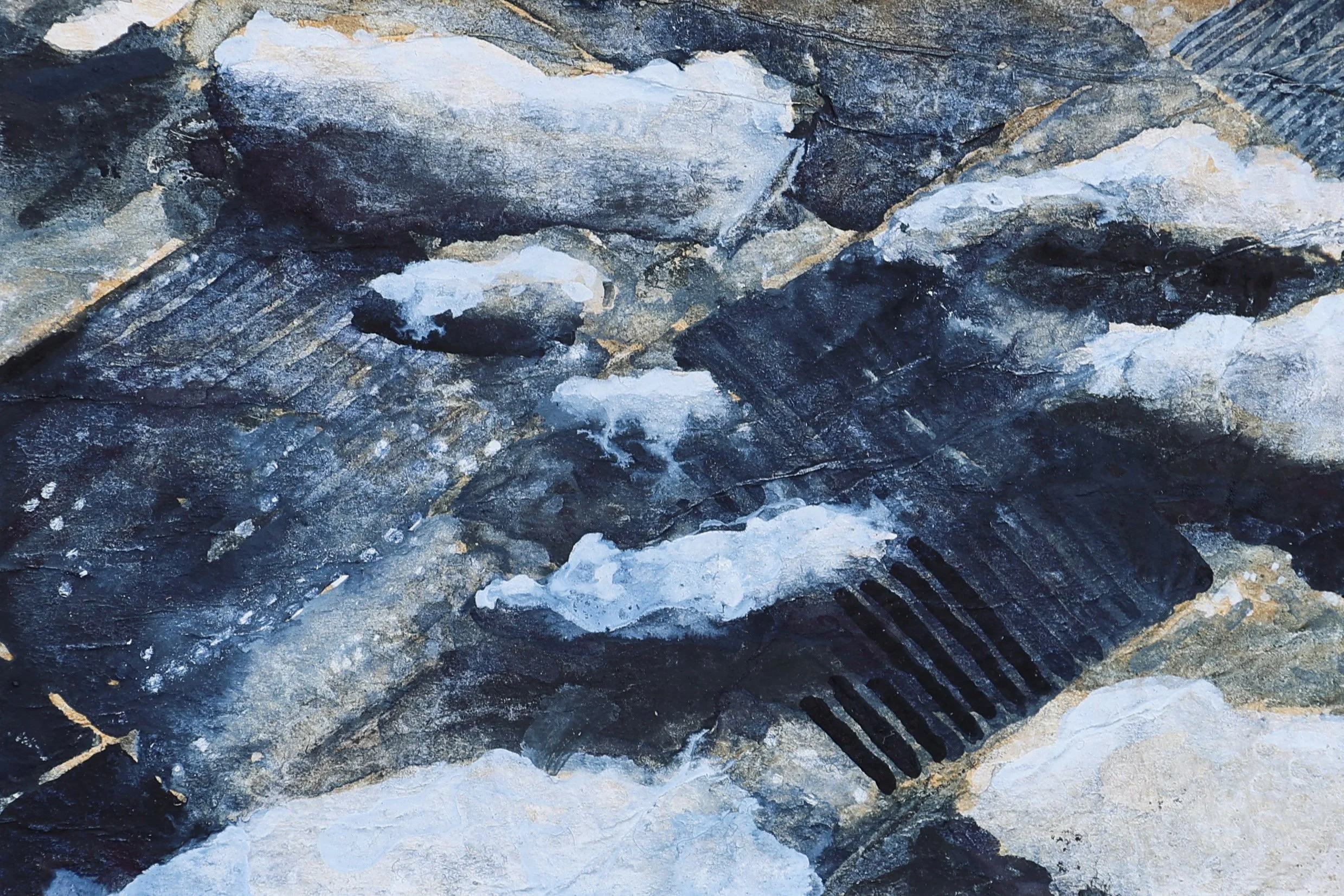
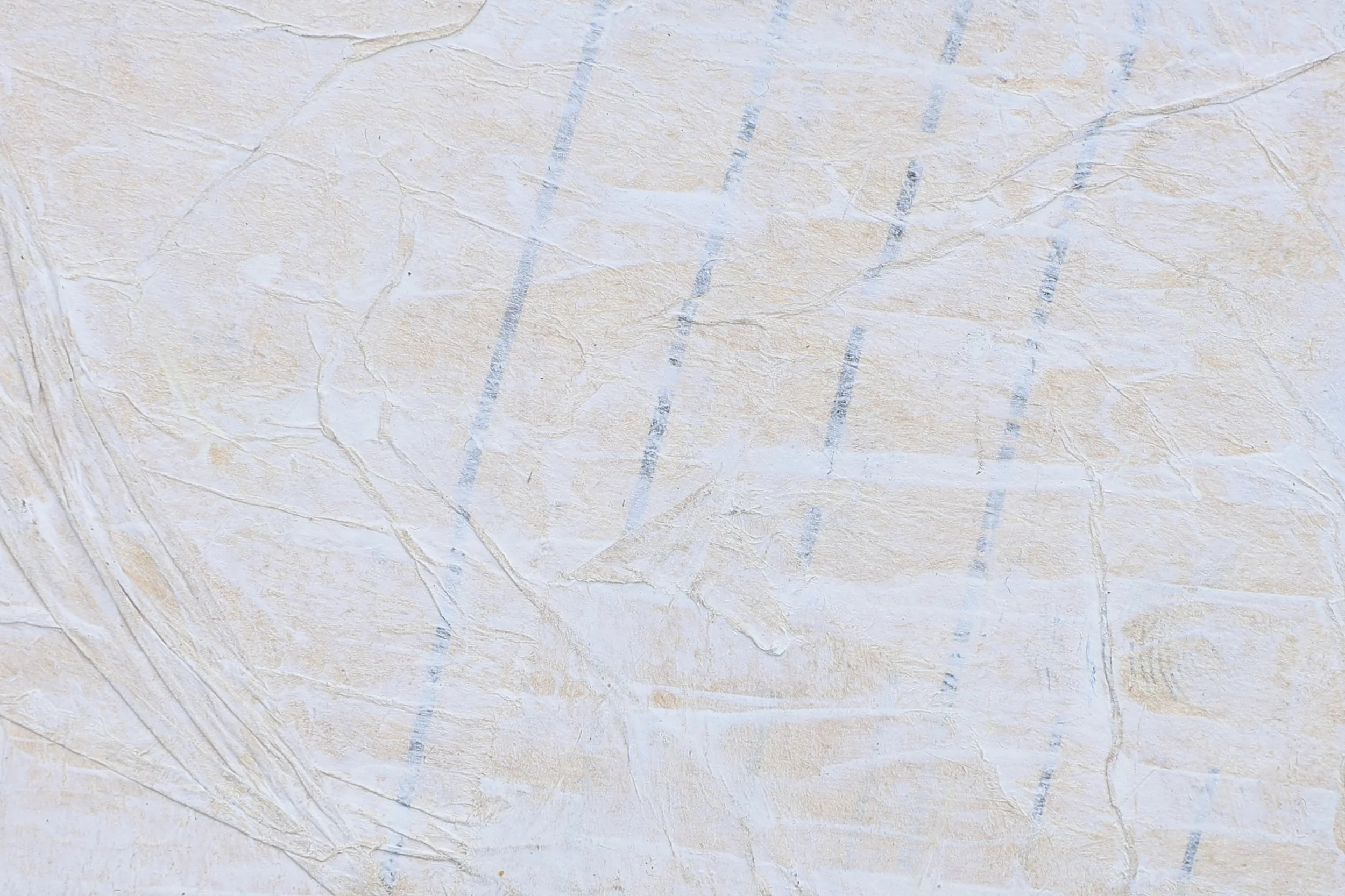
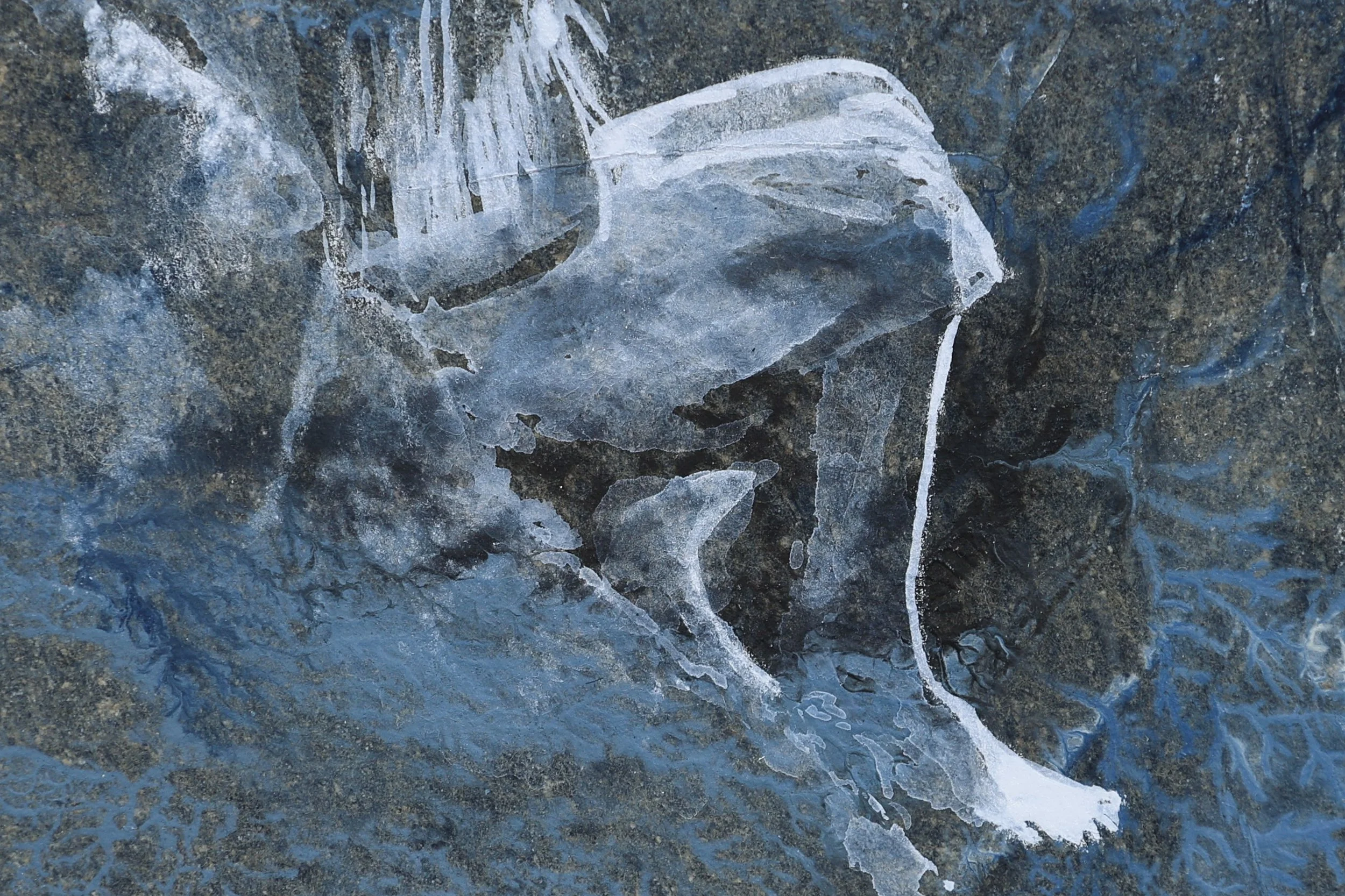
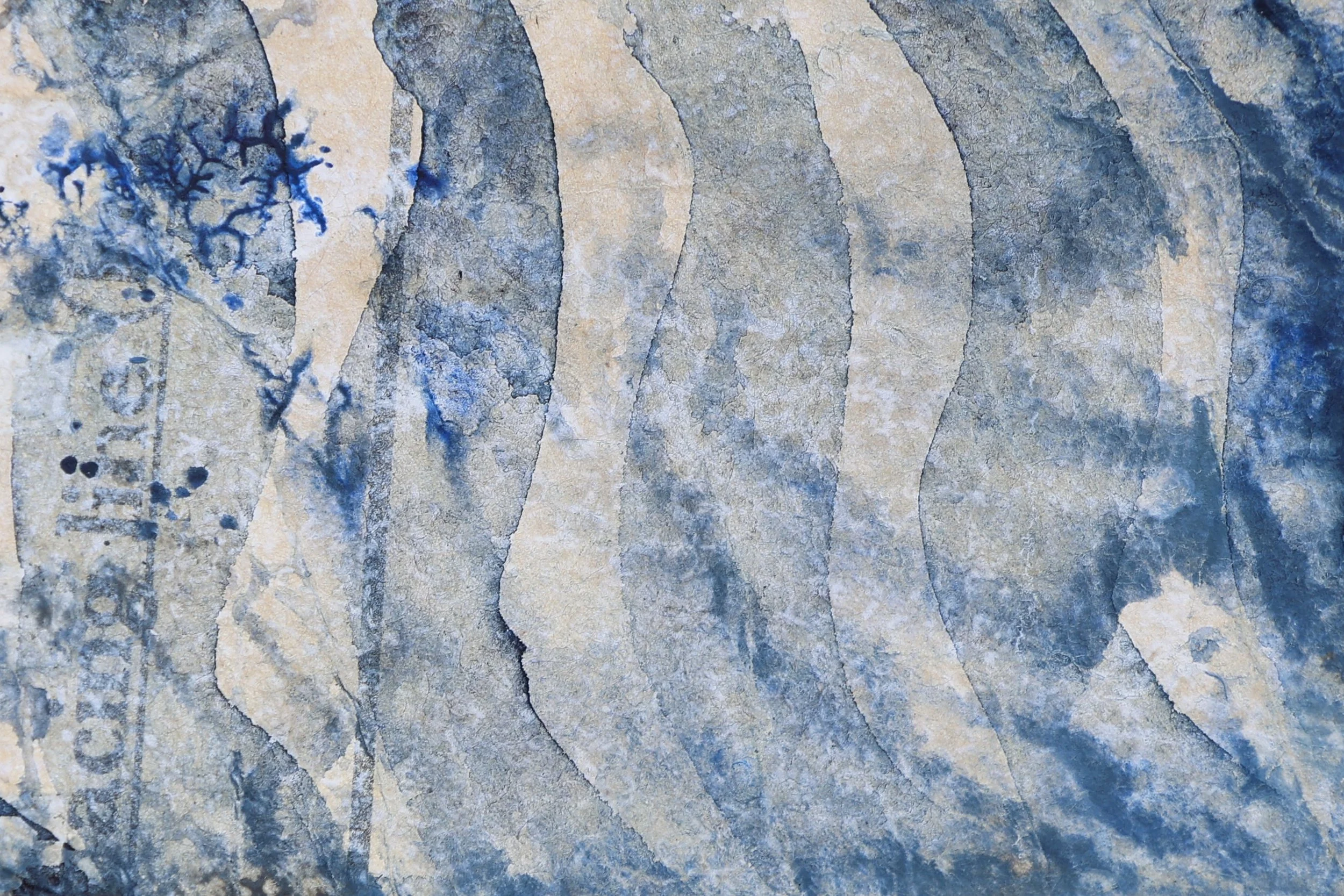
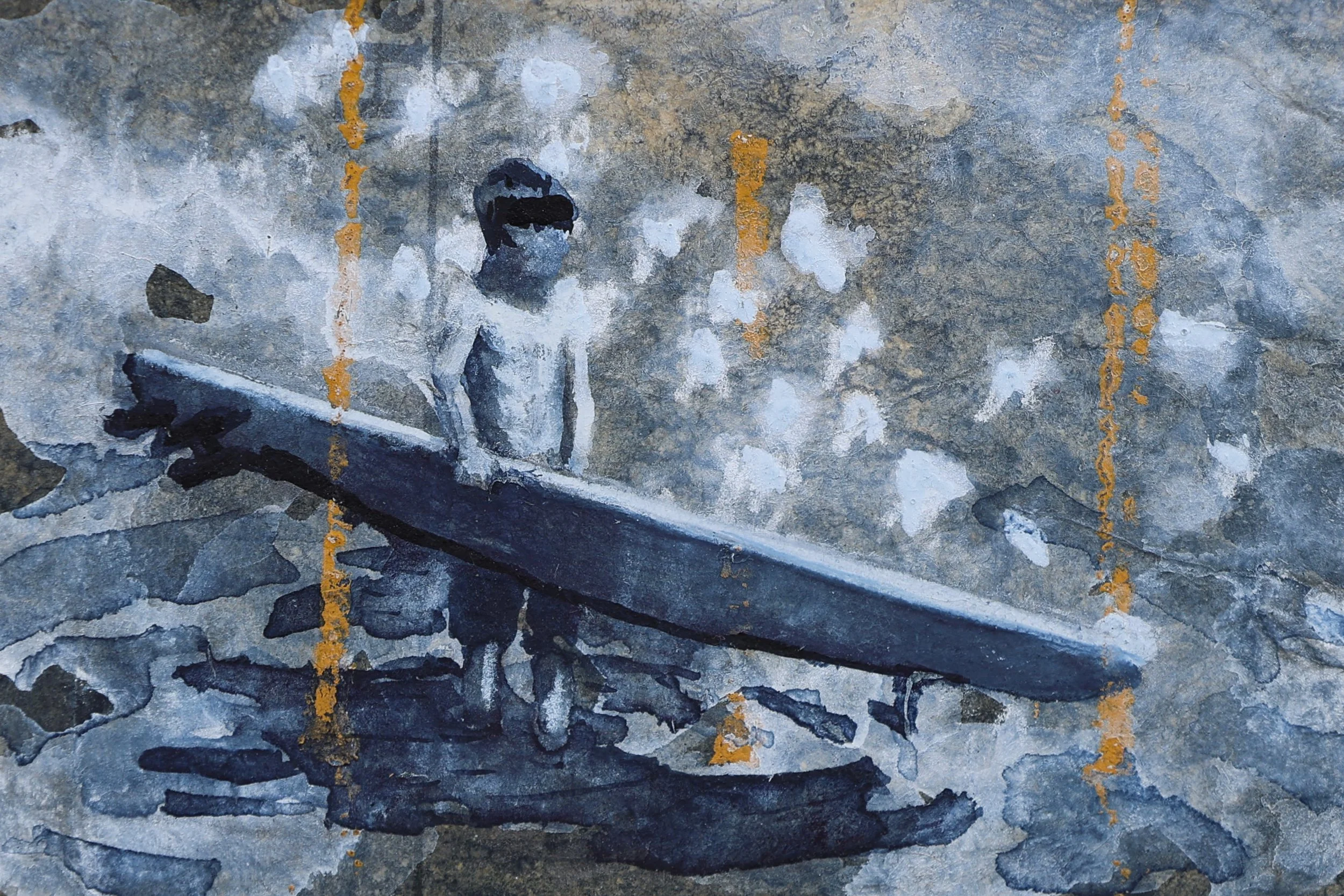
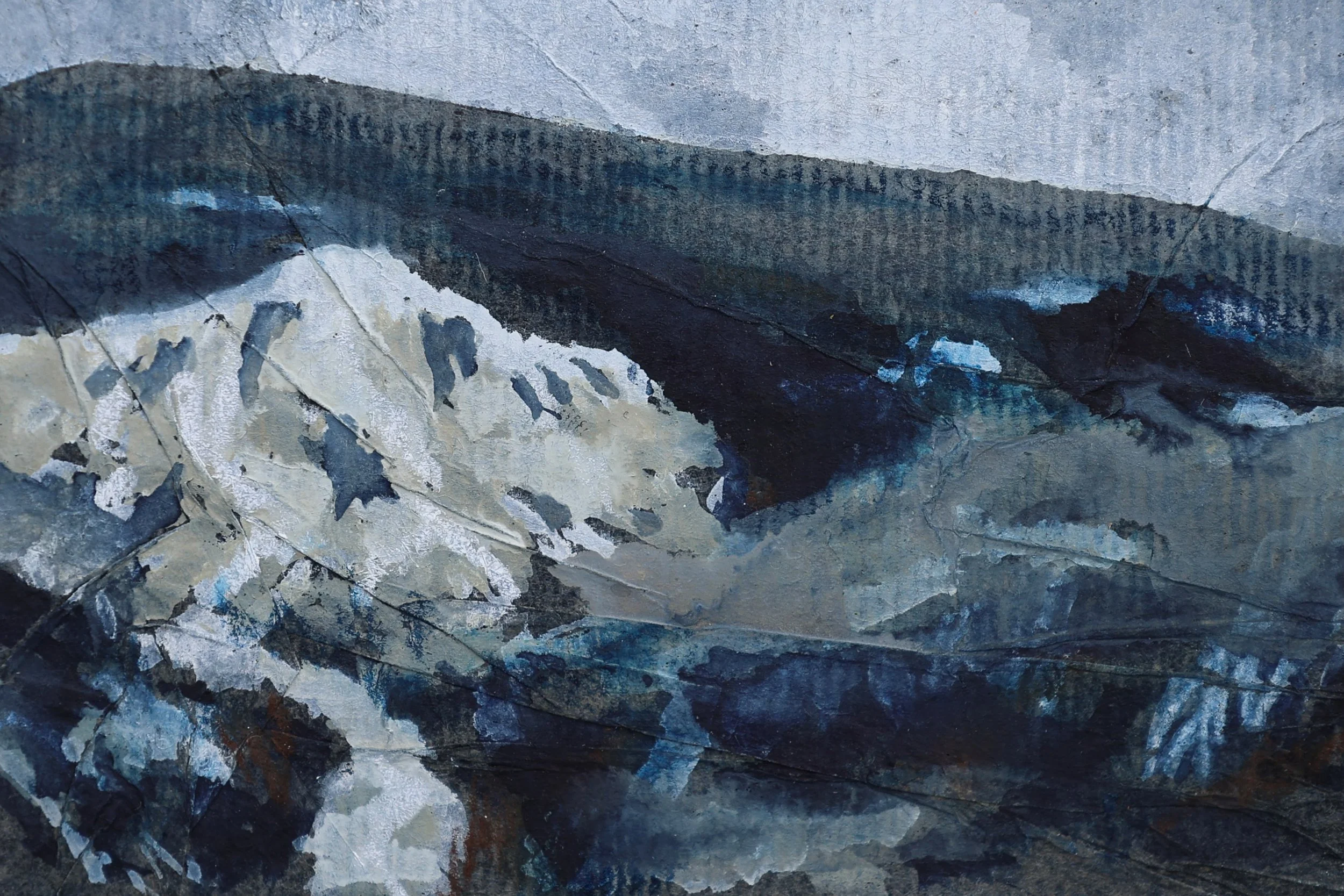
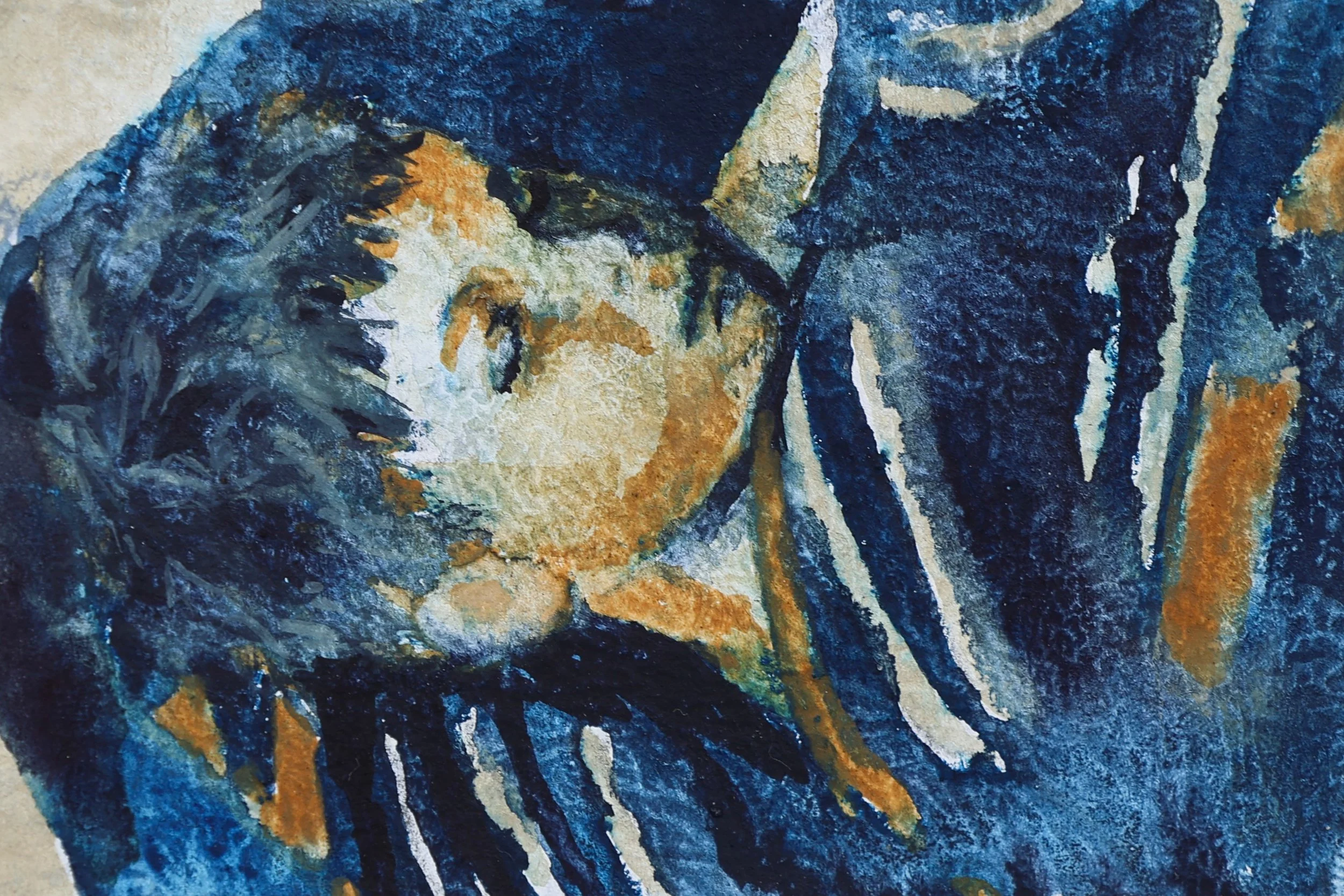
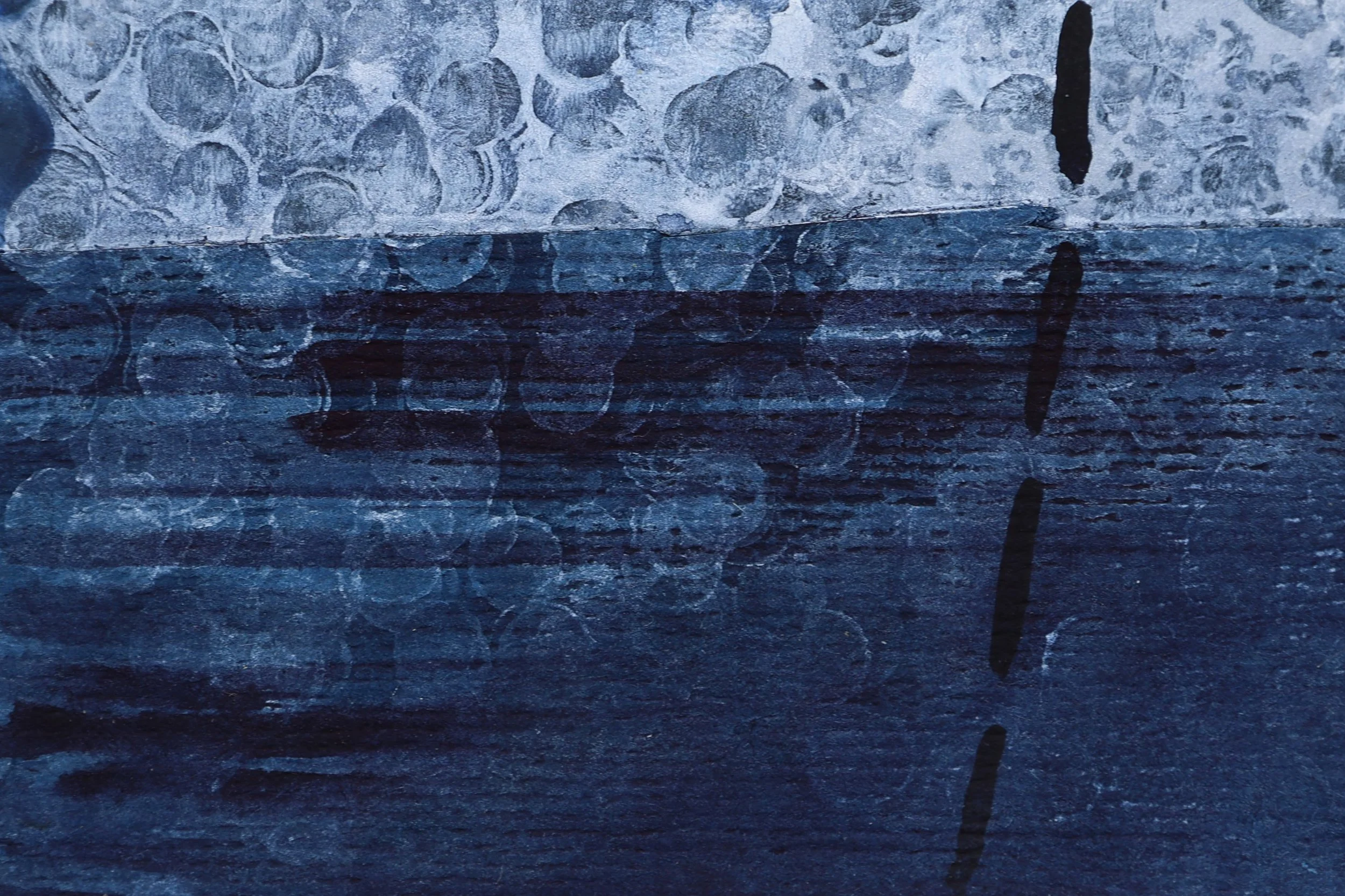
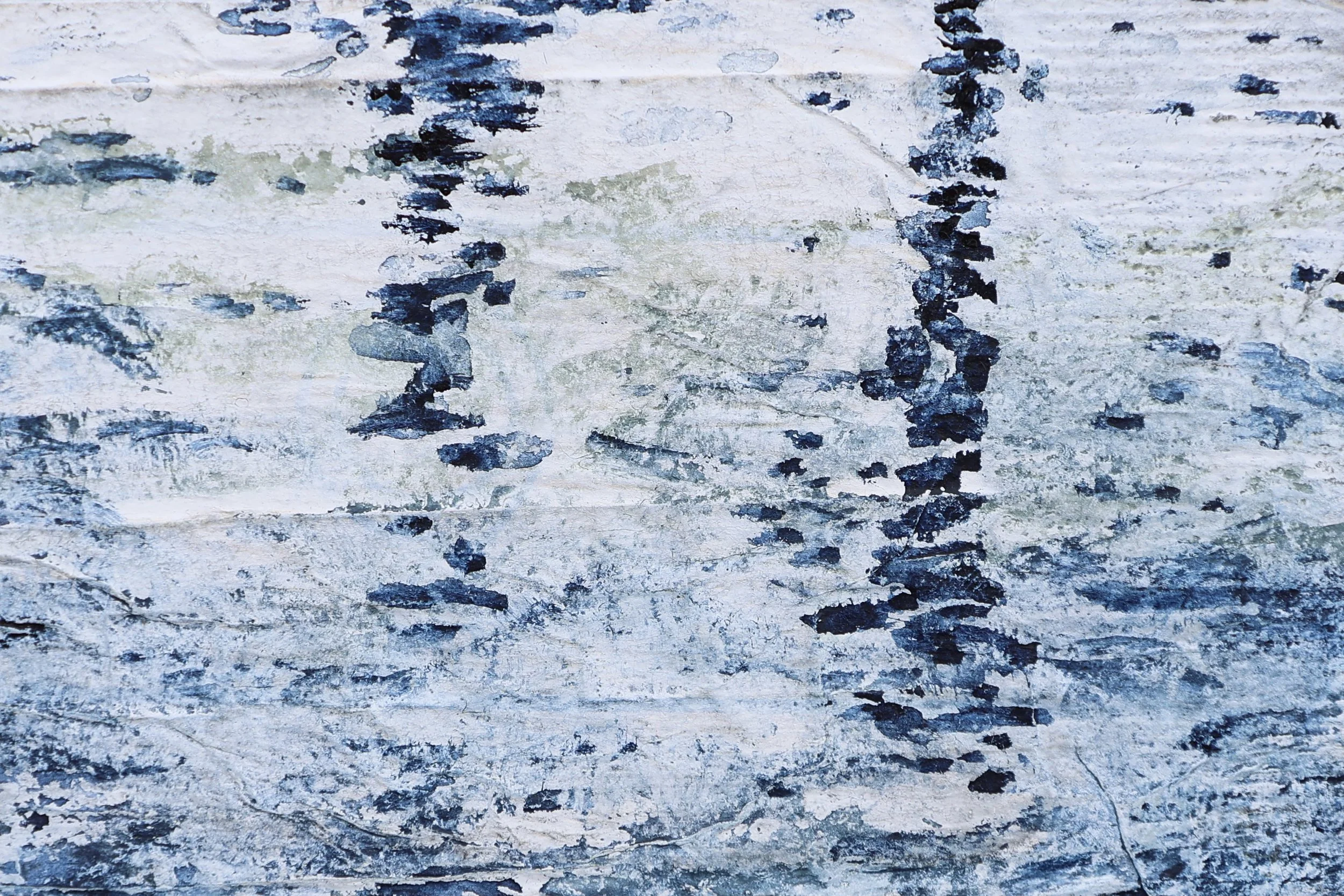
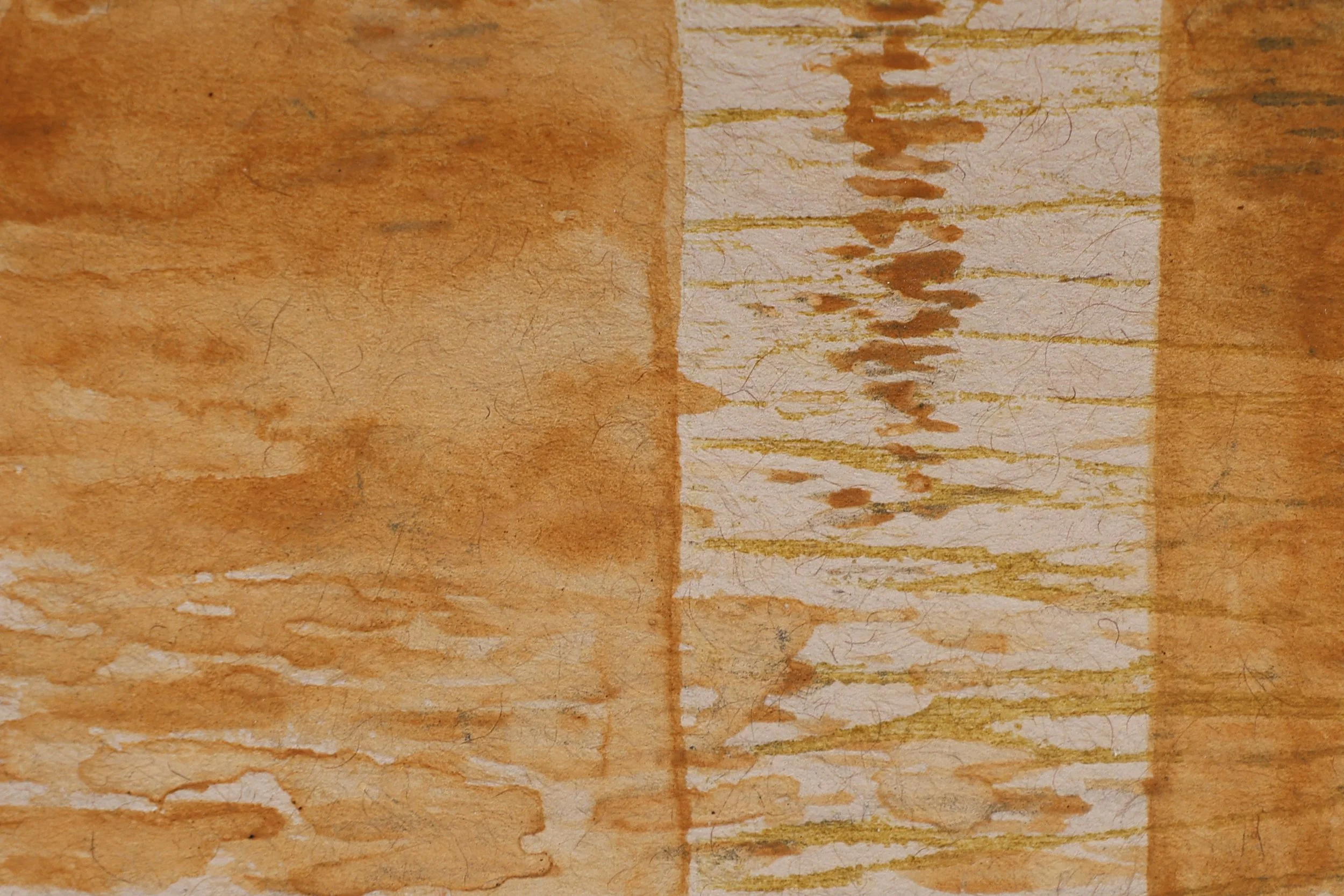
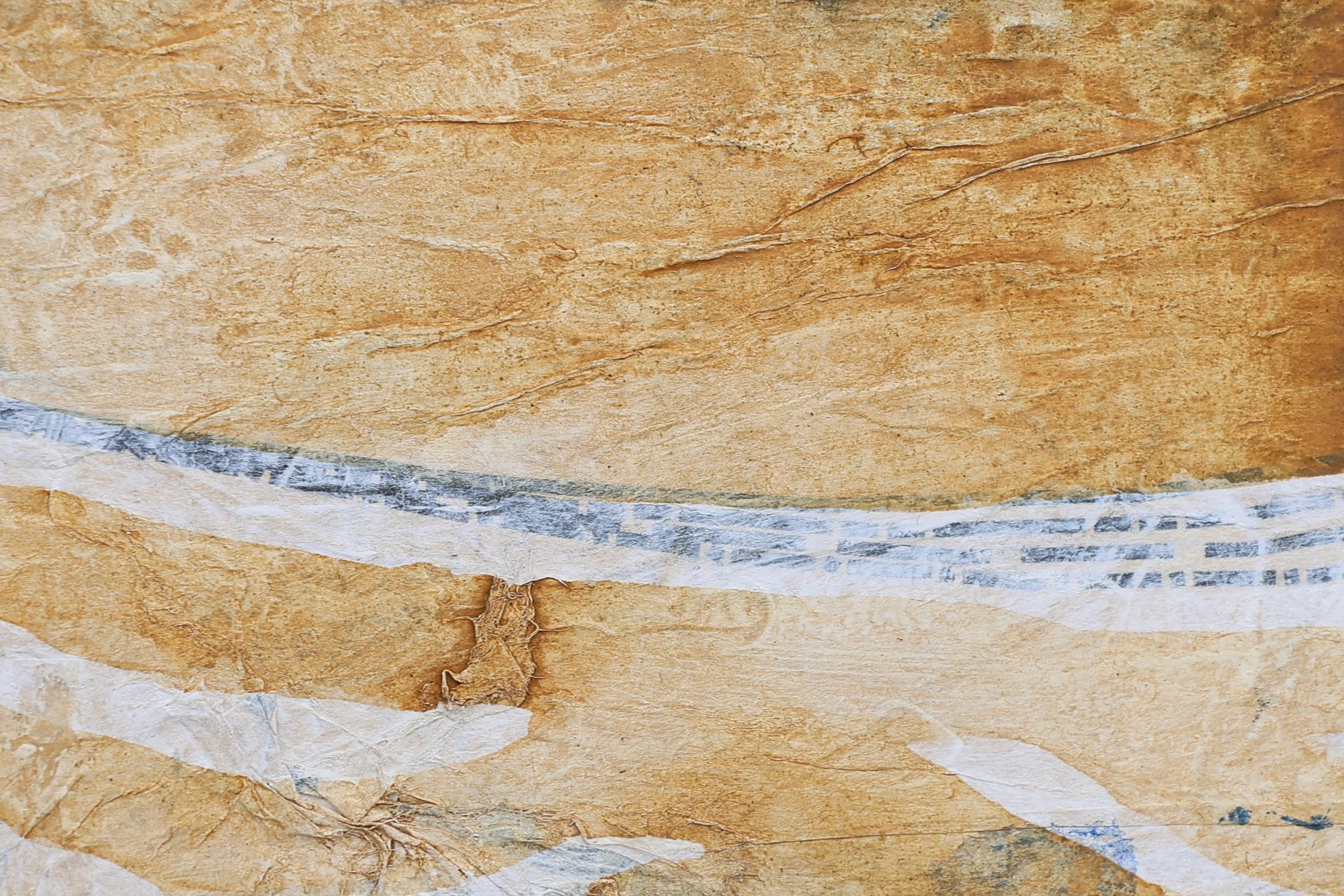
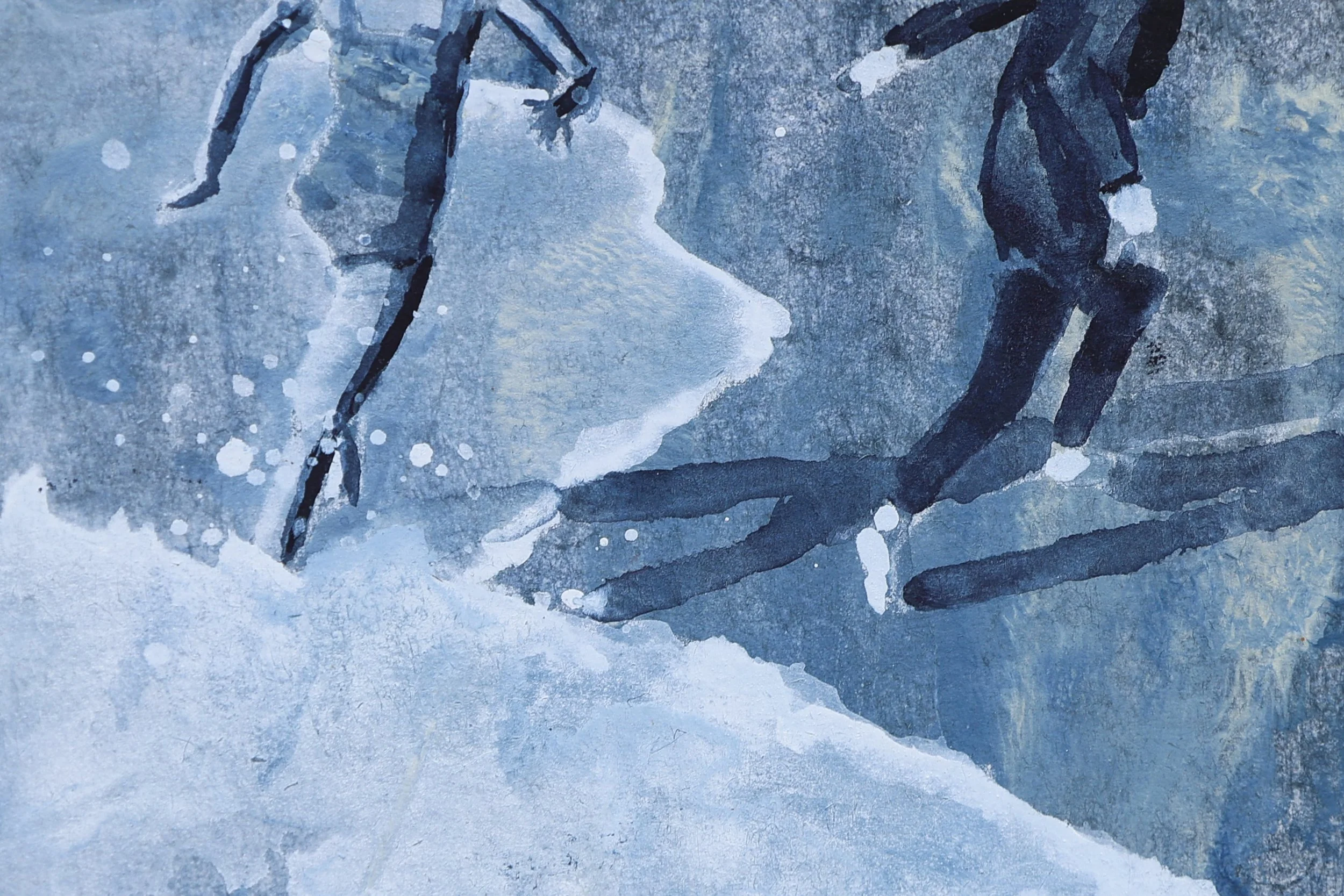
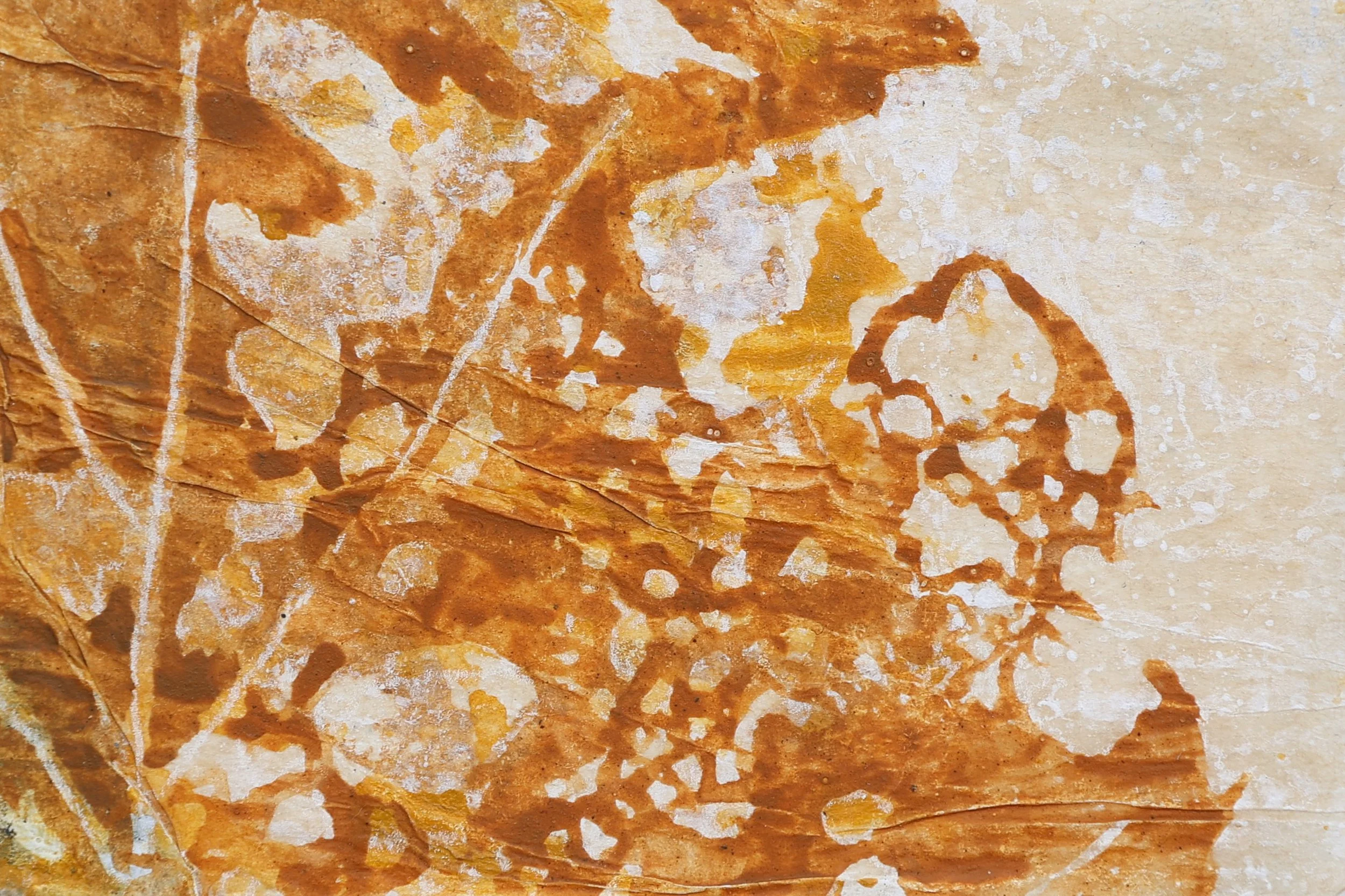
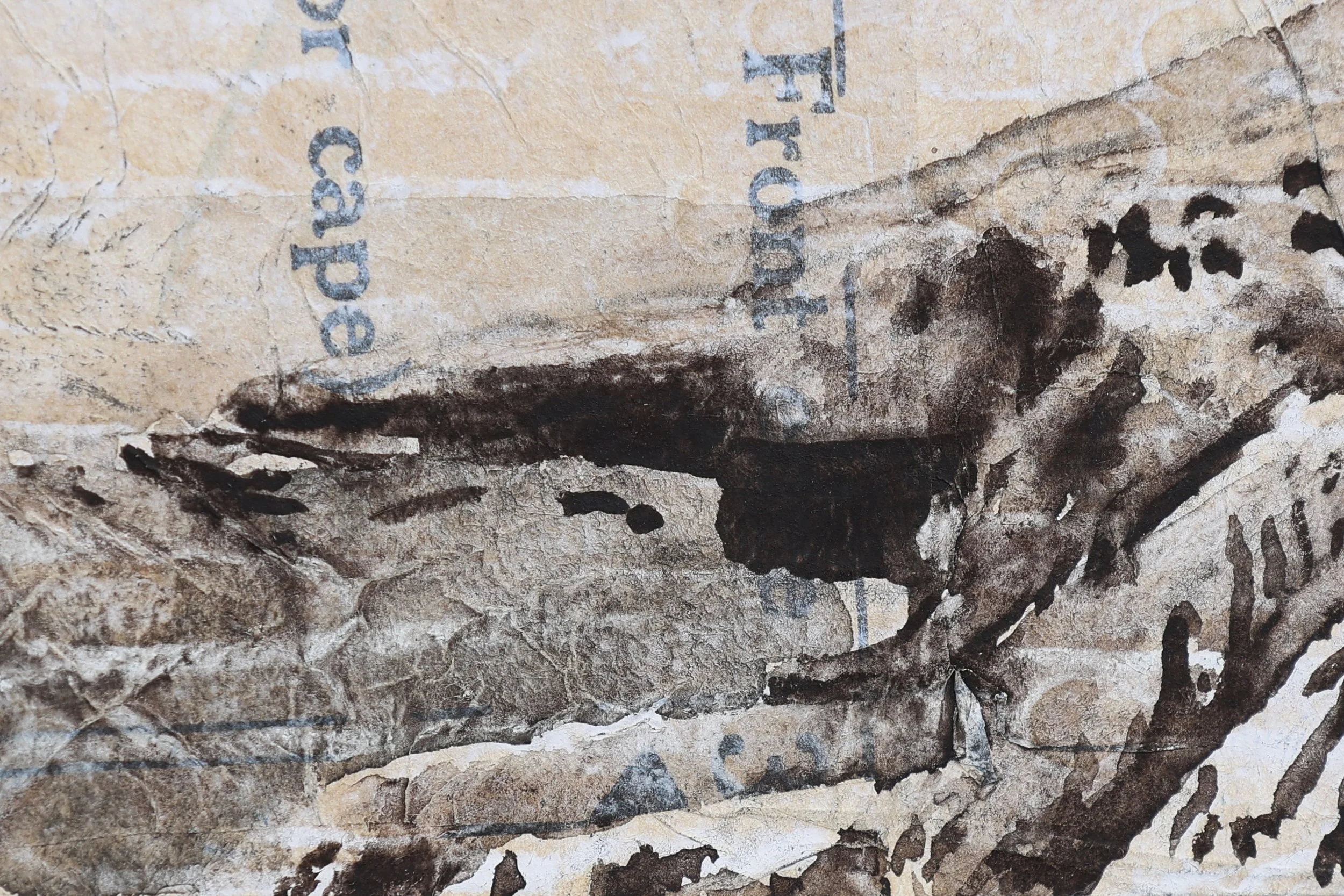
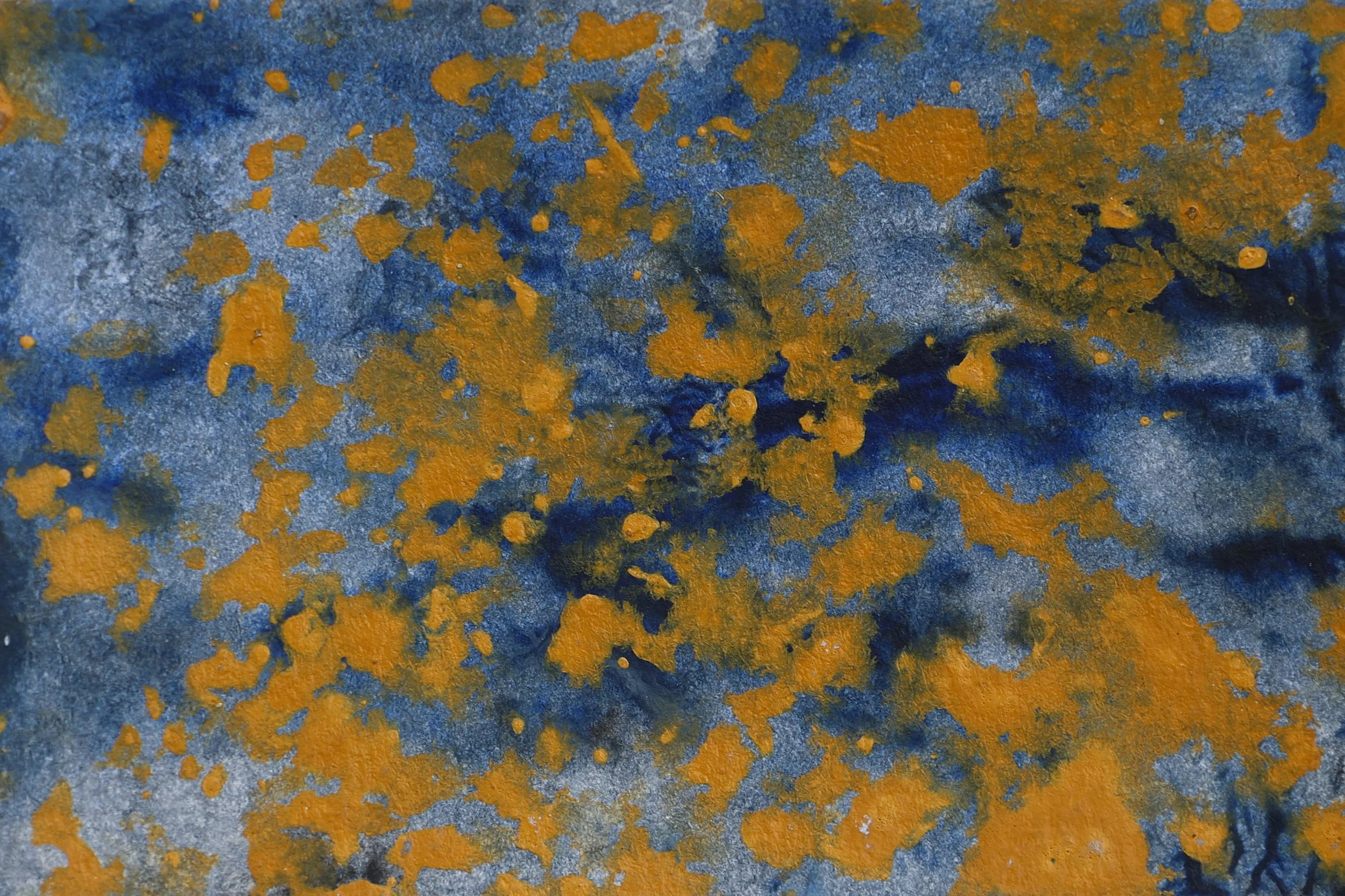
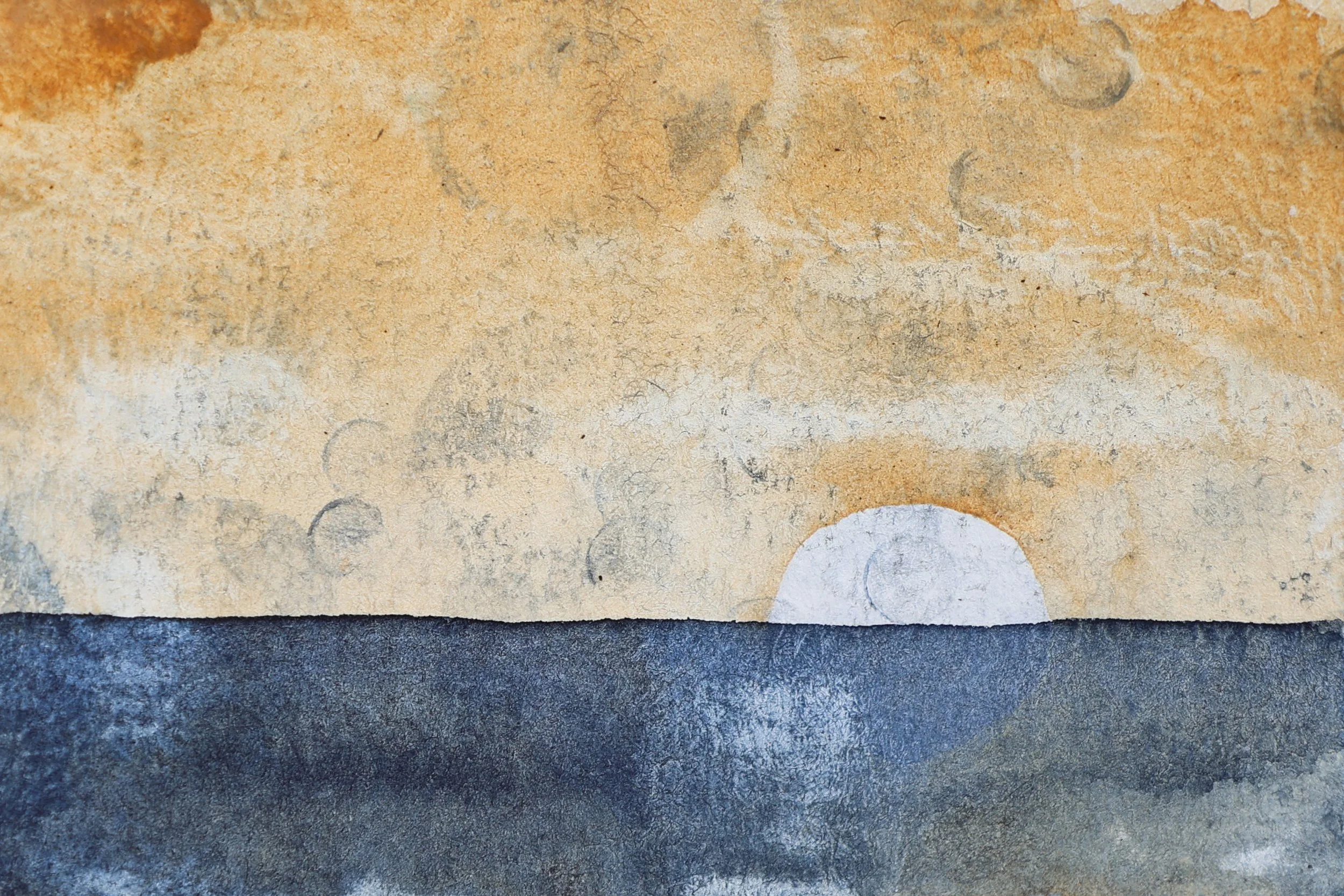
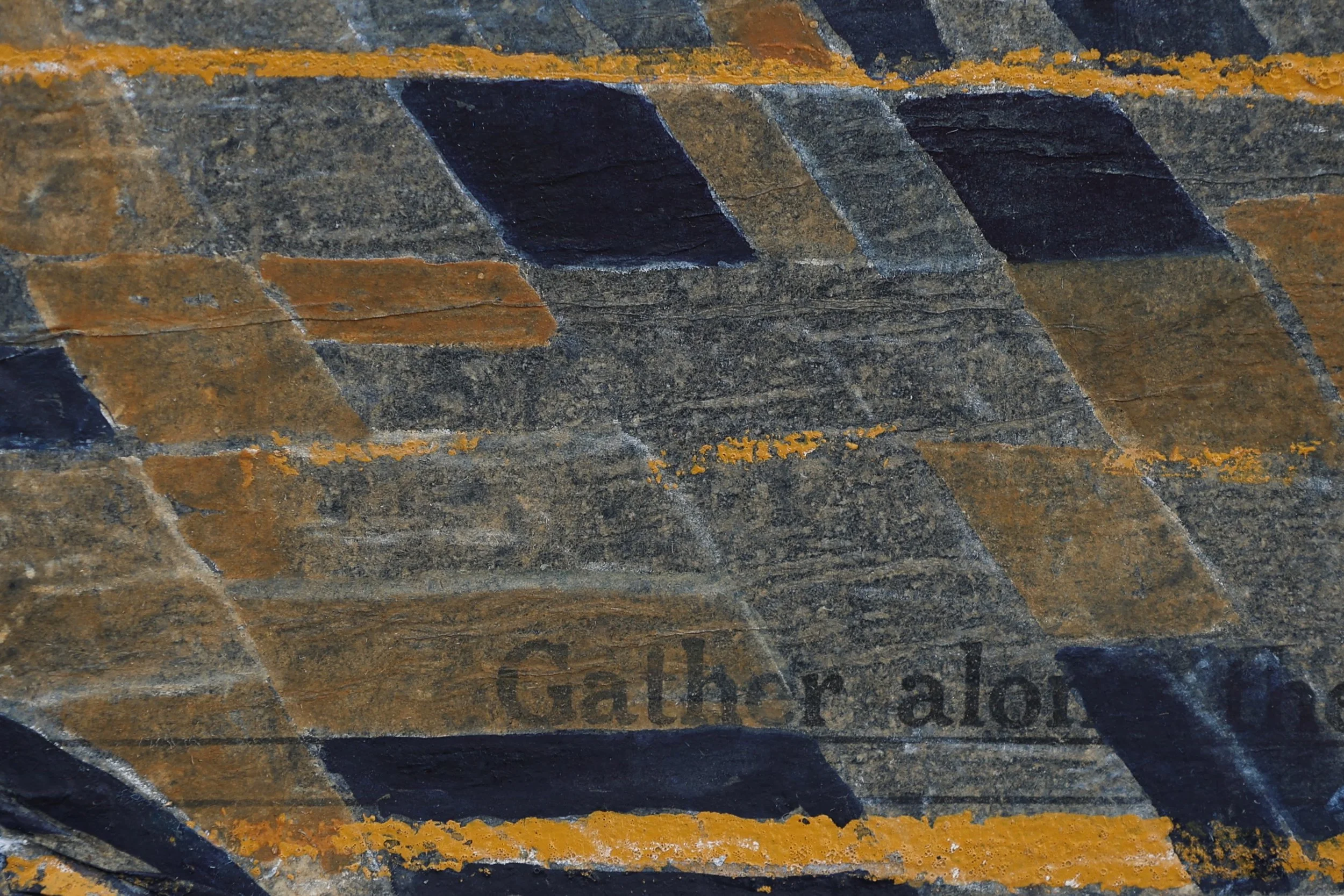
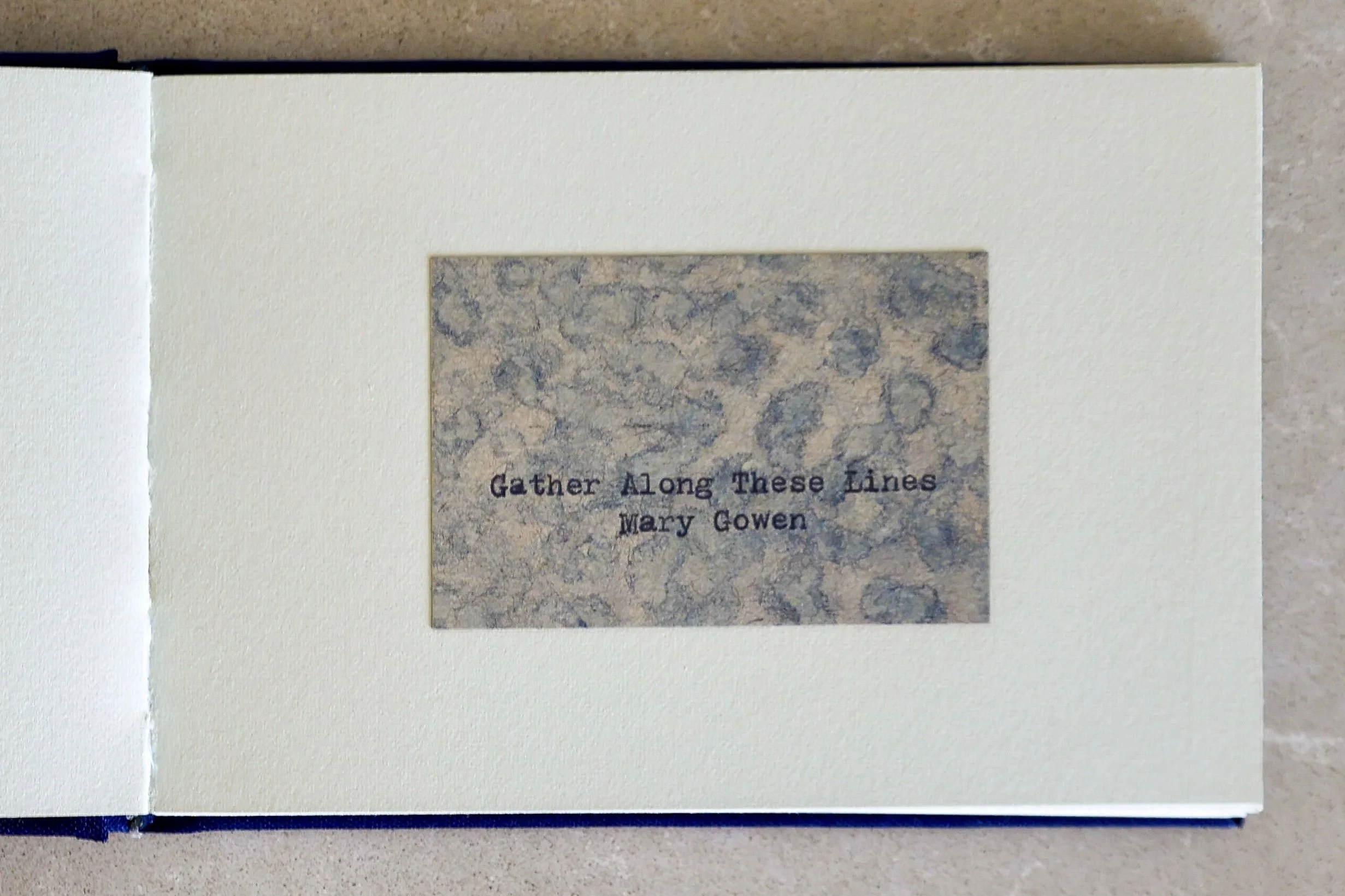
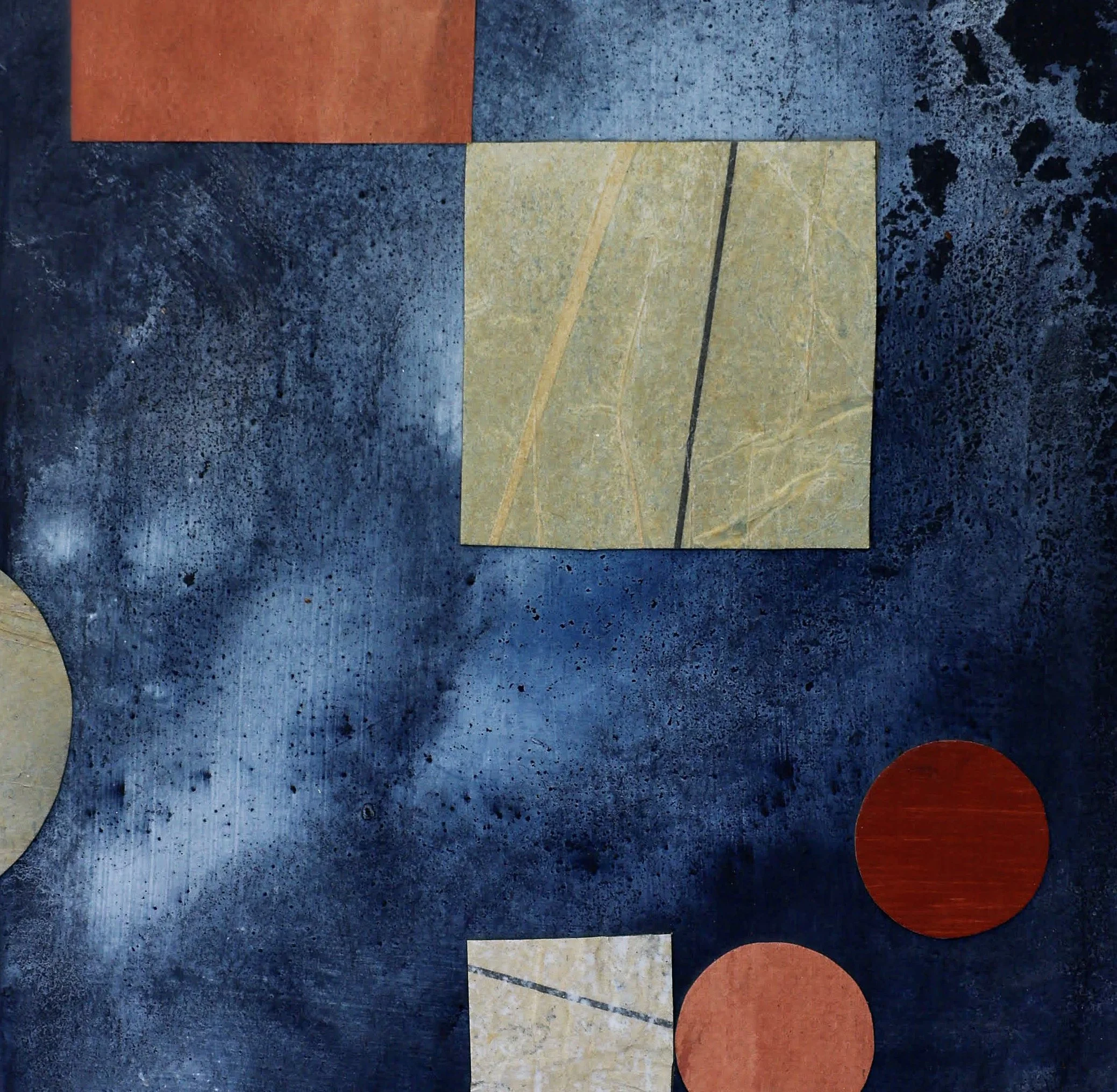
Gather Along These Lines is a series of ten hand-bound books that function as a quiet manifesto for epistemic plurality. The project challenges the dominance of empirical, linear, and verbal knowledge by centering intuitive, affective, and non-linear ways of knowing—modes historically marginalized within academic, institutional, and cultural knowledge systems.
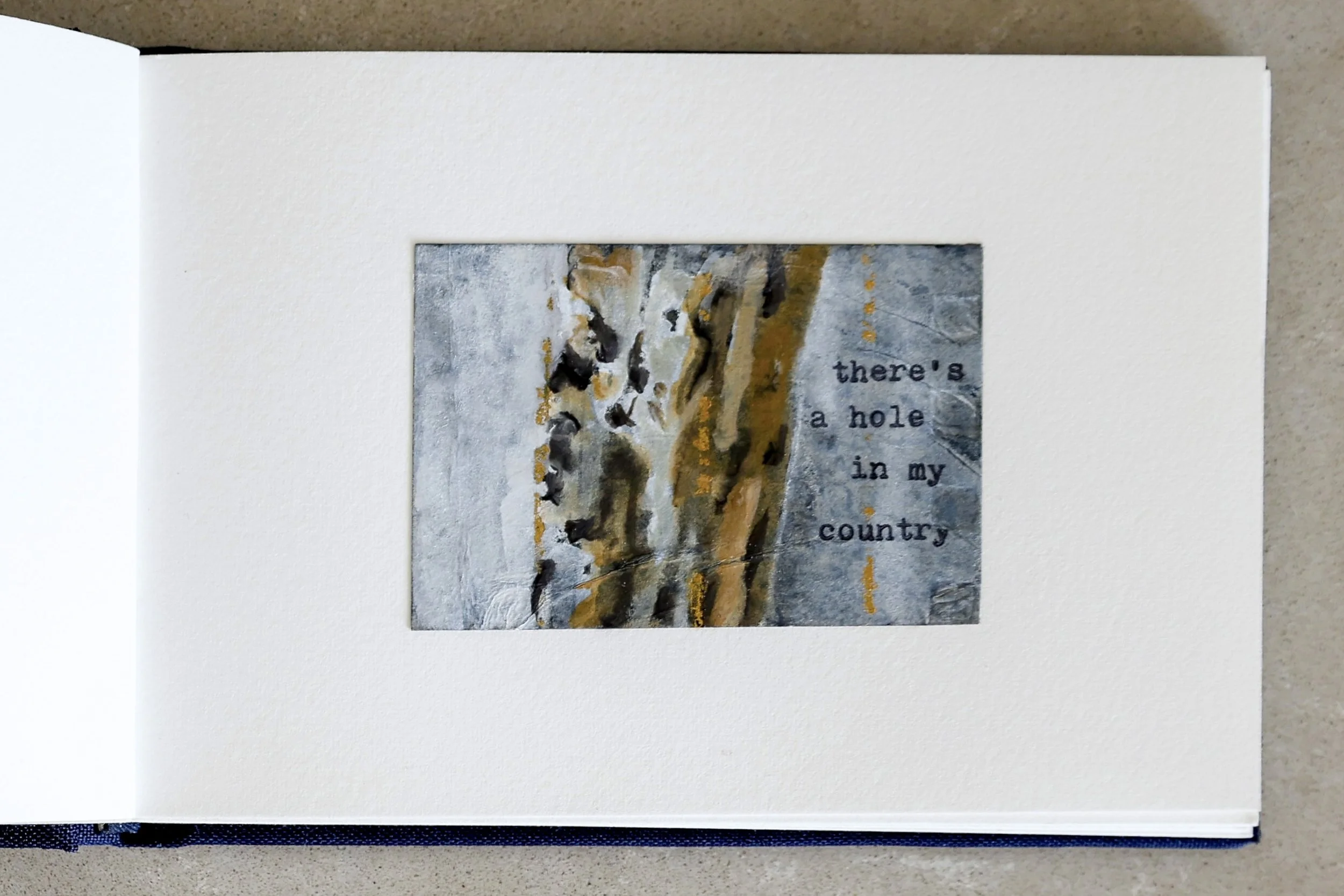
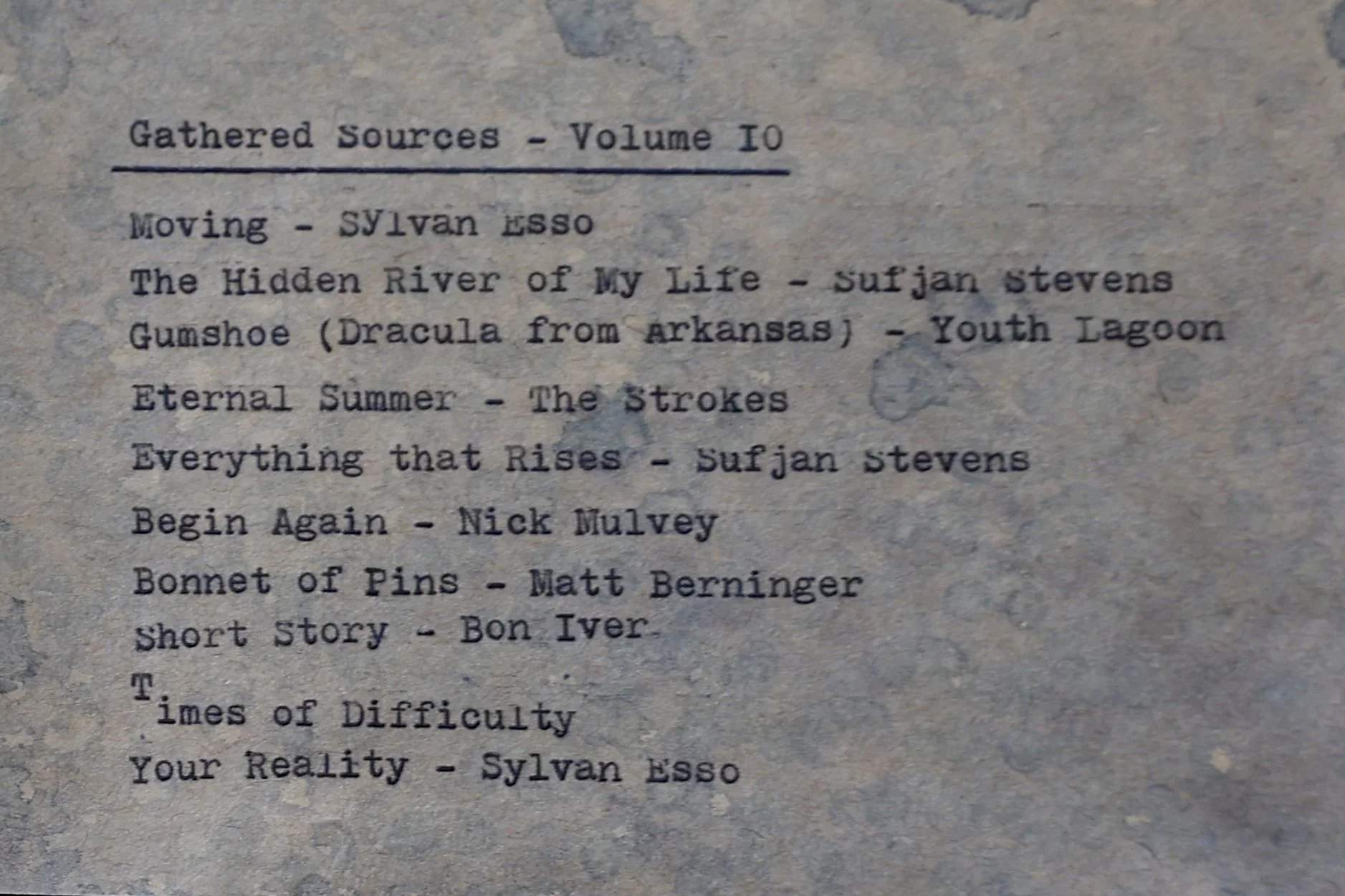
The book form is used intentionally. As a container historically associated with authority, scholarship, and legitimacy, the codex carries expectations of coherence, explanation, and mastery. By filling these books with echolalic song fragments, repetition, and intuitive language, the work subverts those expectations. Meaning emerges through pattern, memory, affect, and relation rather than linear argument. In this sense, the series performs a form of epistemic resistance: asserting that intuitive knowledge does not need translation into dominant epistemic forms in order to belong.
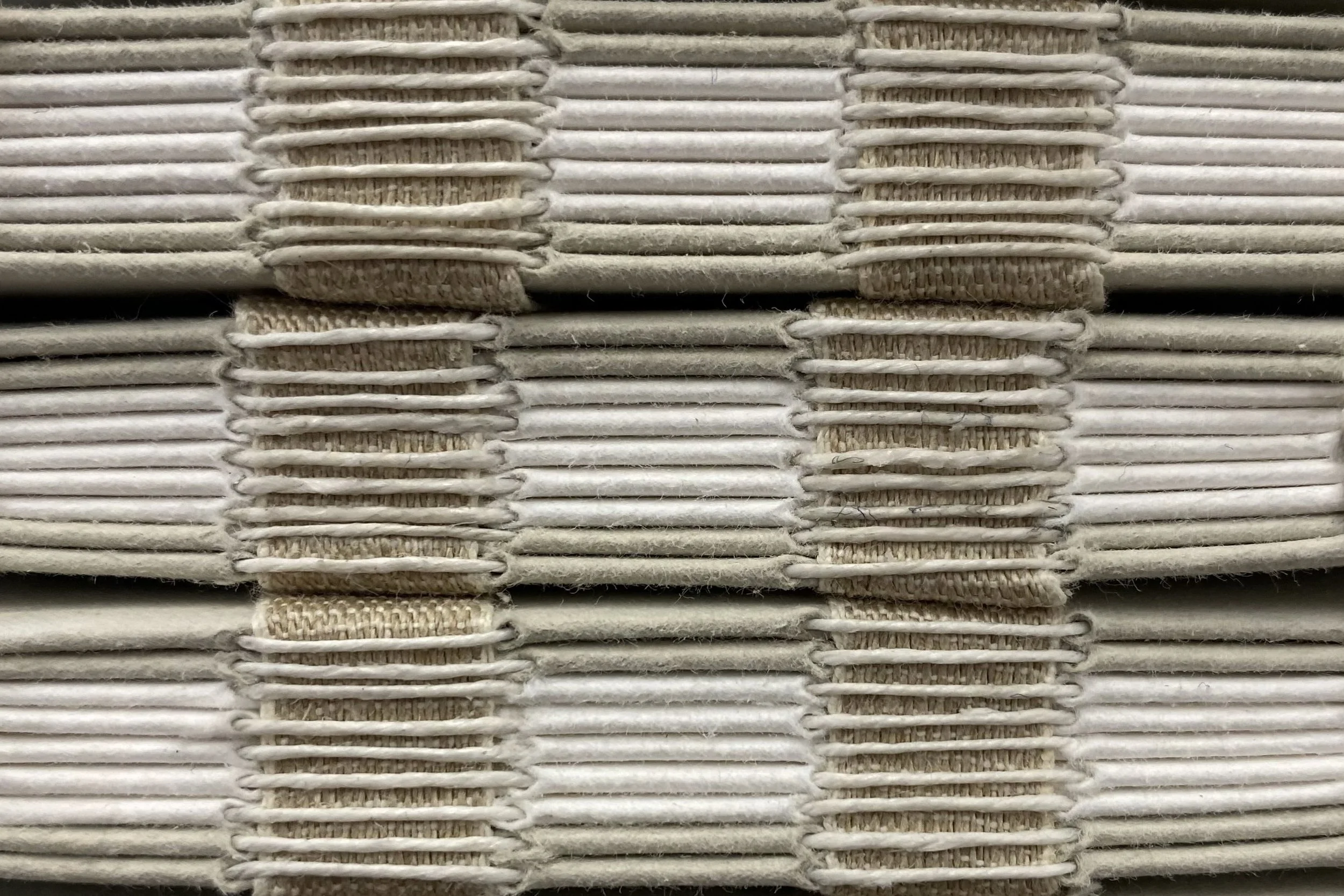
Process is central to the work. The binding process incorporates techniques of interlacing and tension that parallel weaving structures, as threads move through and around the spine to hold the form together. This structural weaving is both material and conceptual, extending into the way text, memory, and meaning are interwoven across the series. In this sense, the work engages weaving not only as a technique, but as a broader methodology of connection, structure, and relation. The slow, repetitive labor of bookbinding created a rhythm of attention that contrasted sharply with the speed and fragmentation of contemporary knowledge production. Slowness became a material assertion of value—time itself functioning as a form of belief in the legitimacy of the work. This sustained, devotional pacing allowed intuitive knowledge to take shape, gain weight, and be held, rather than dismissed as fleeting or incomplete.
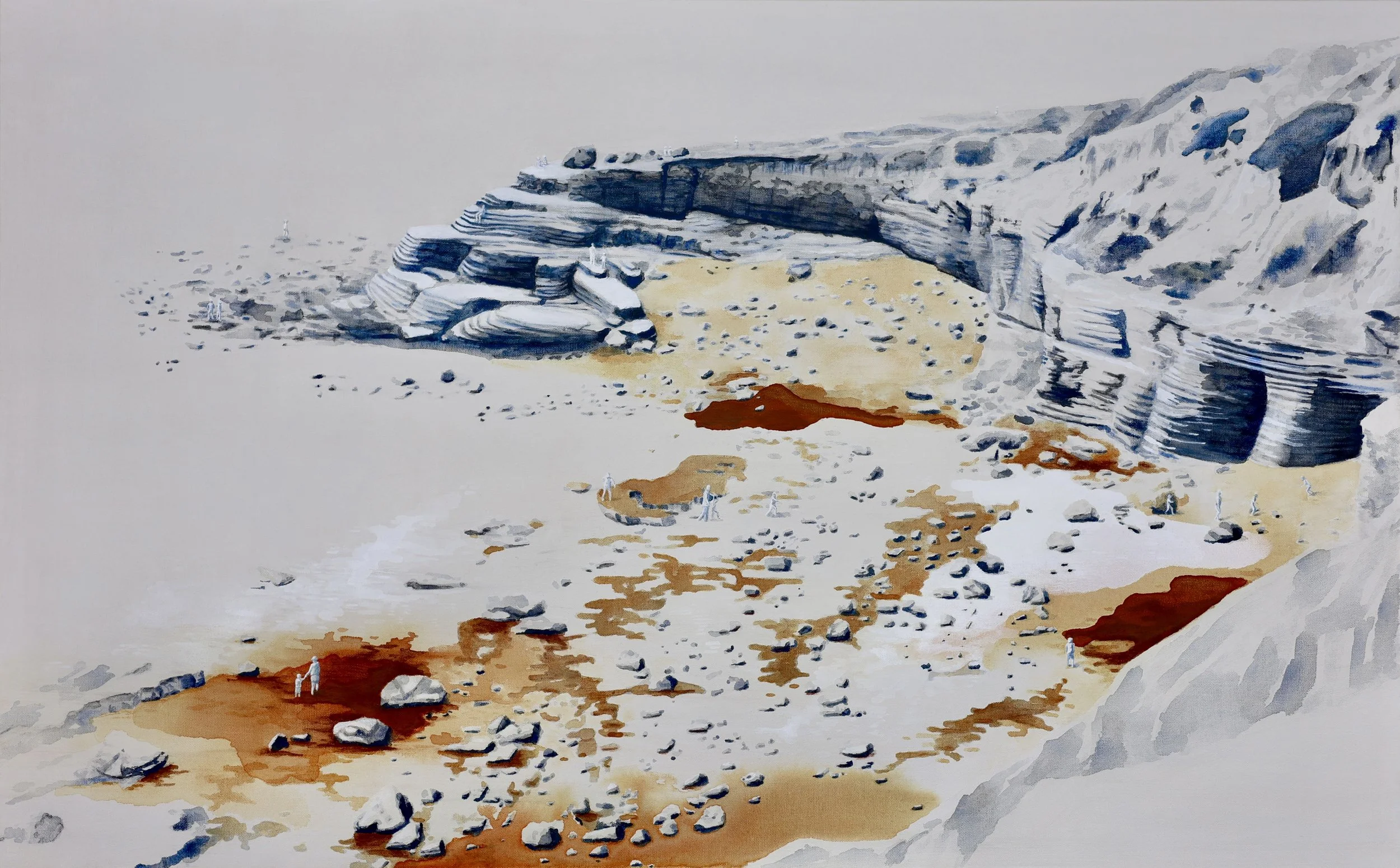
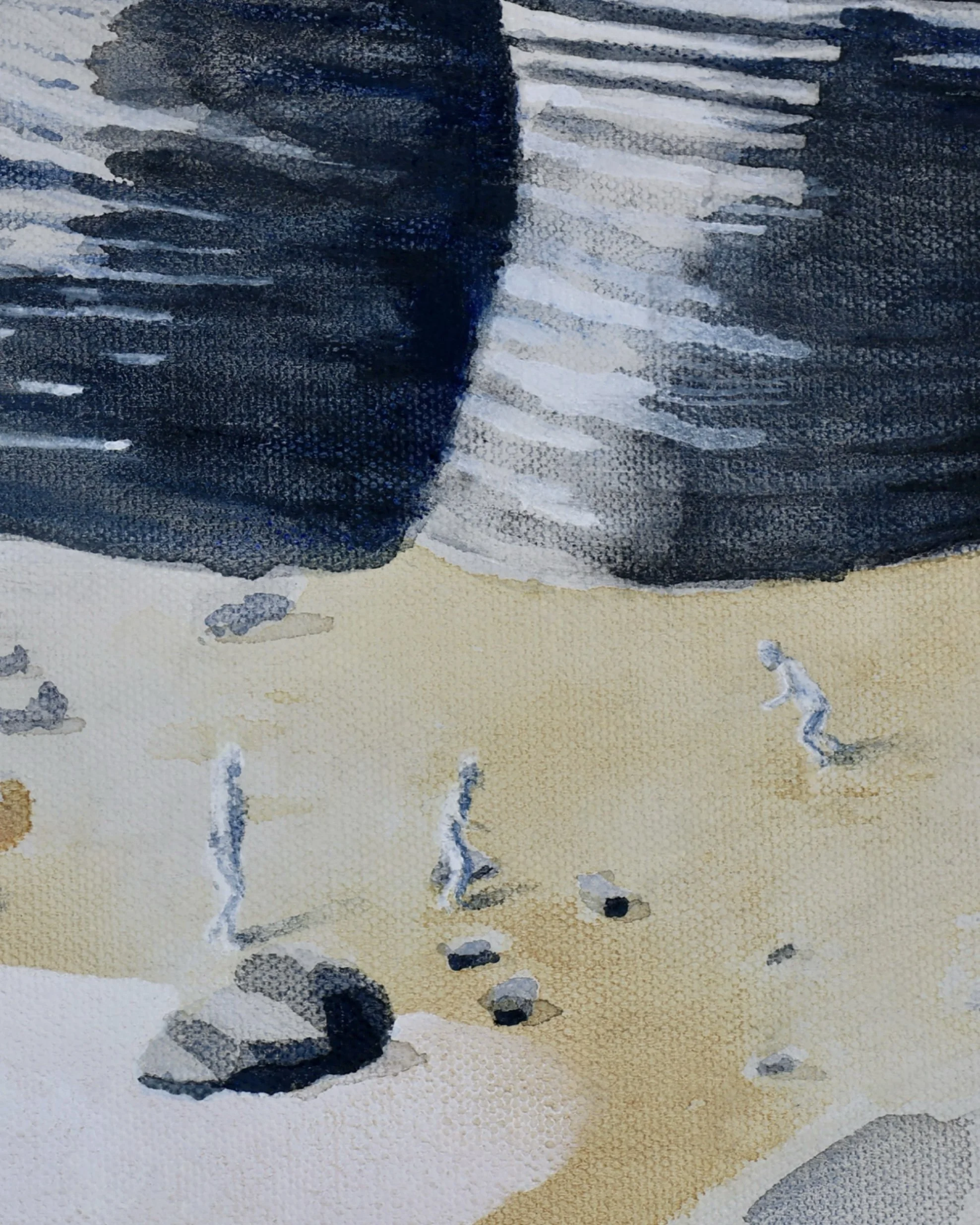
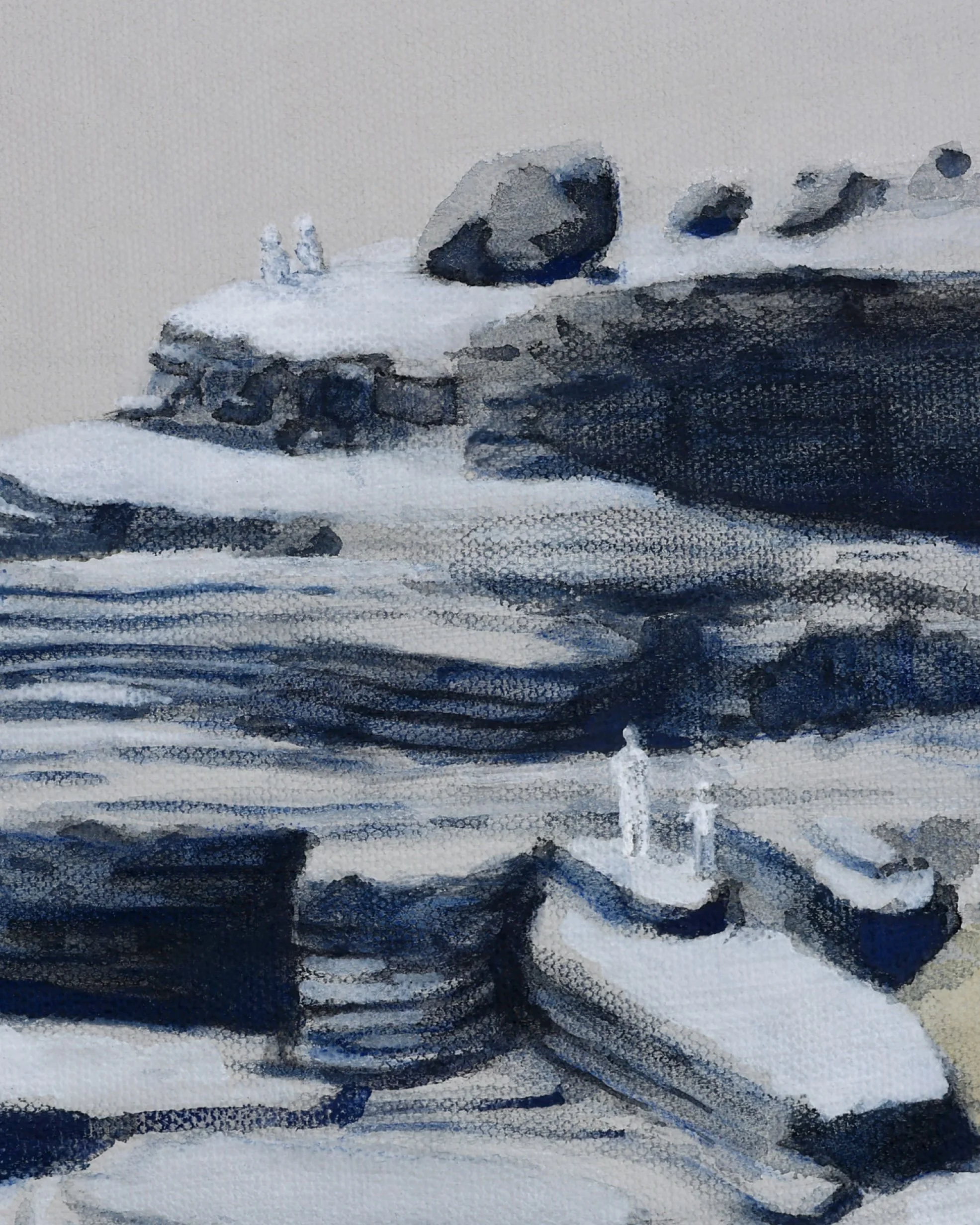
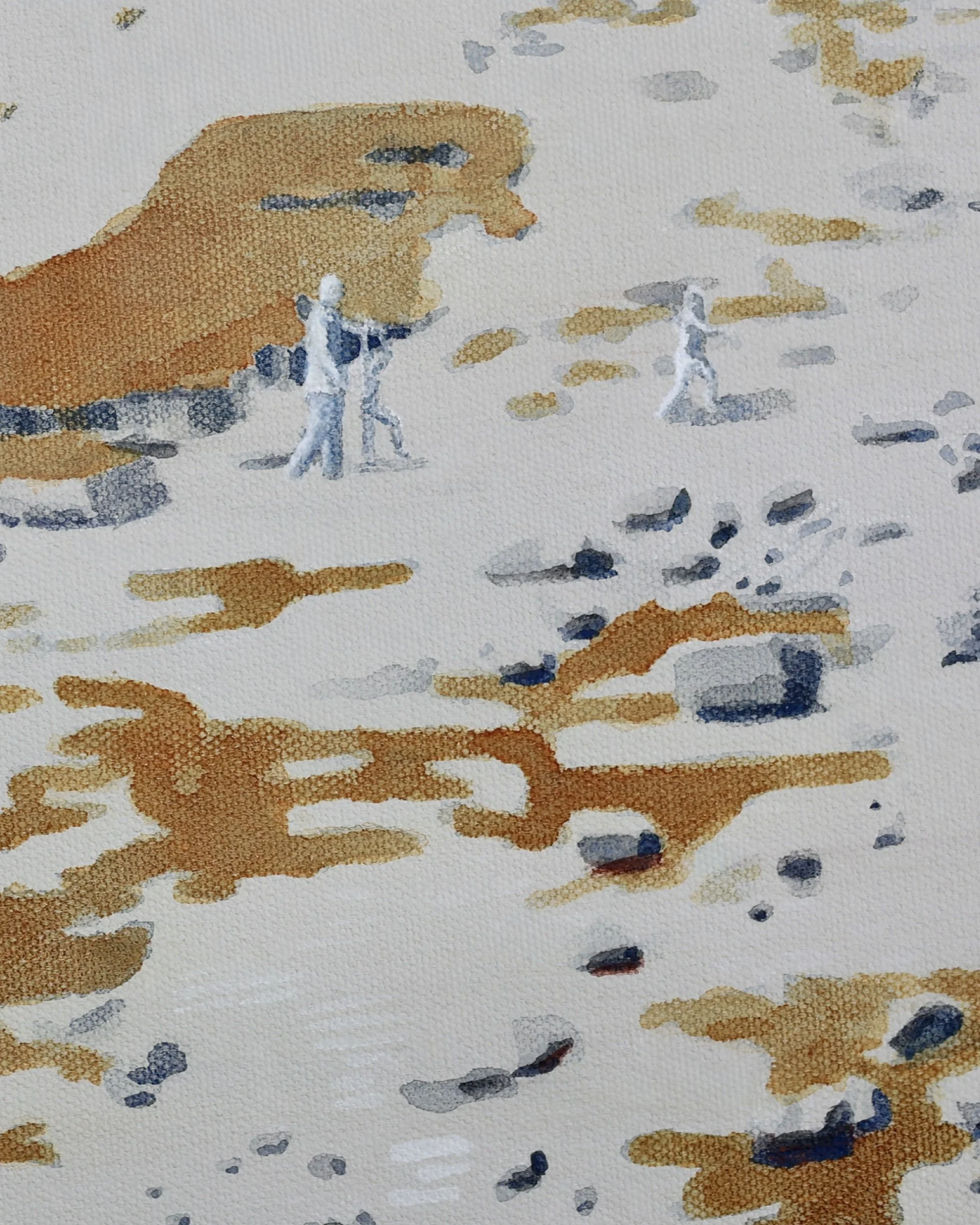
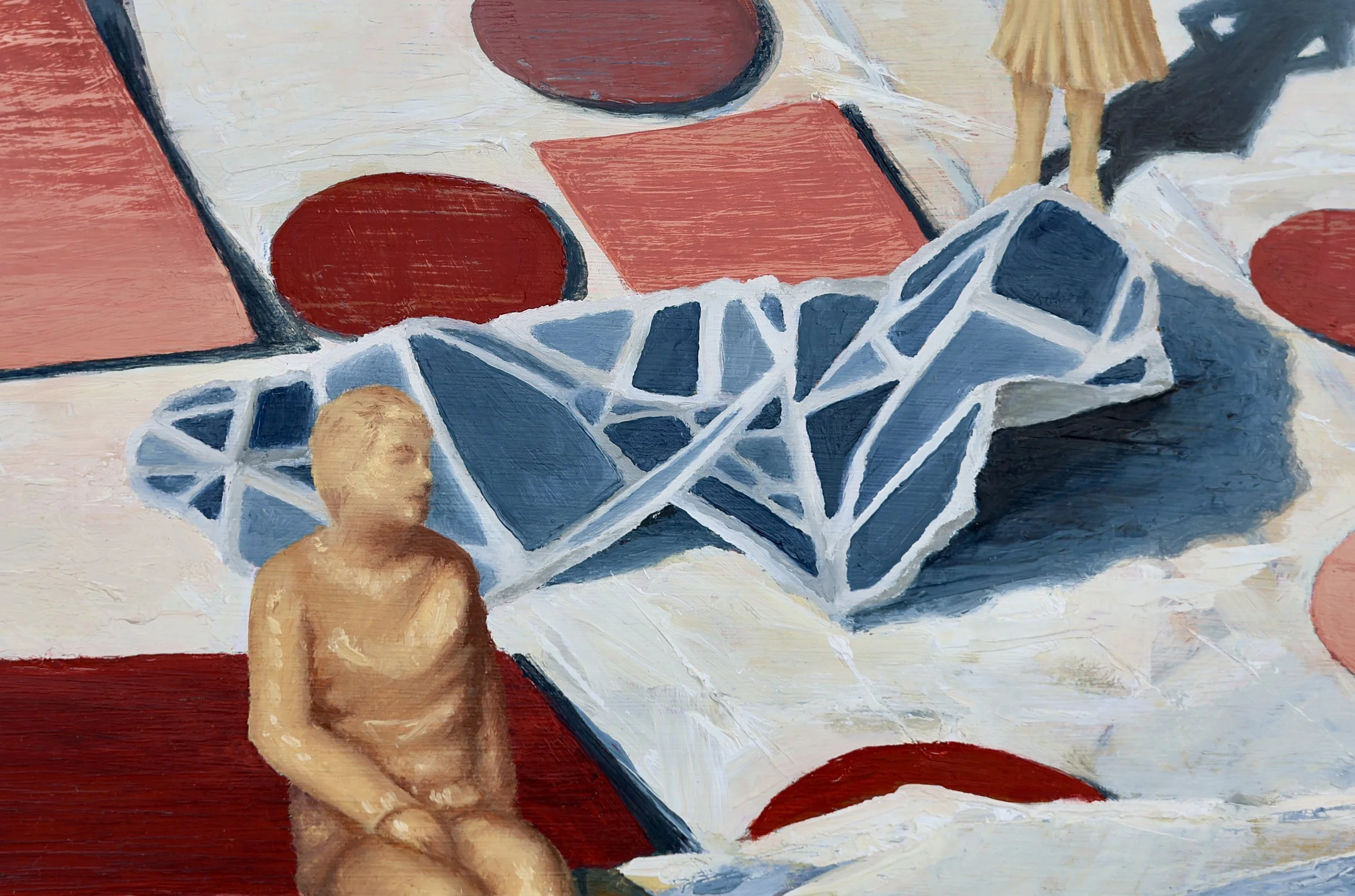
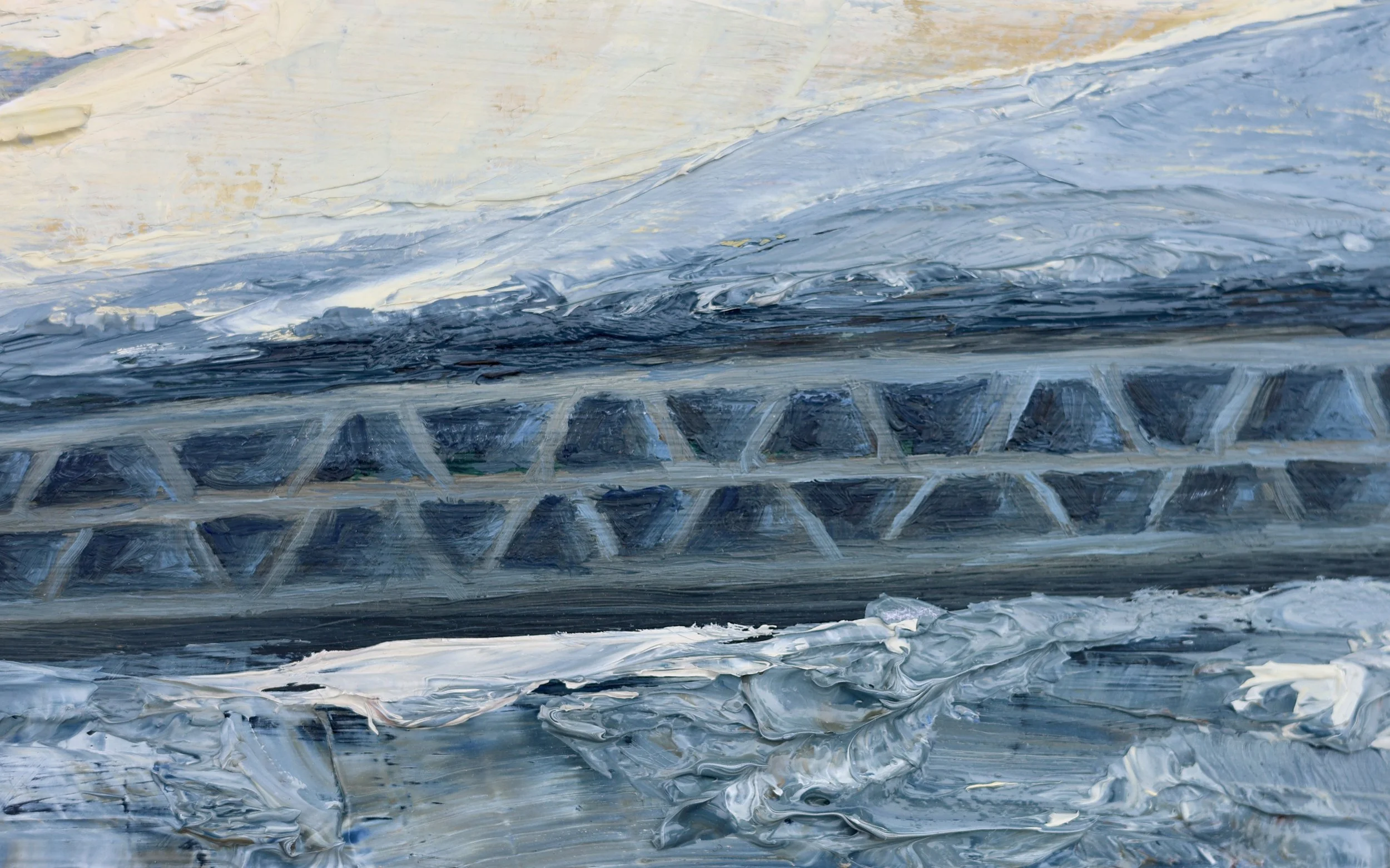
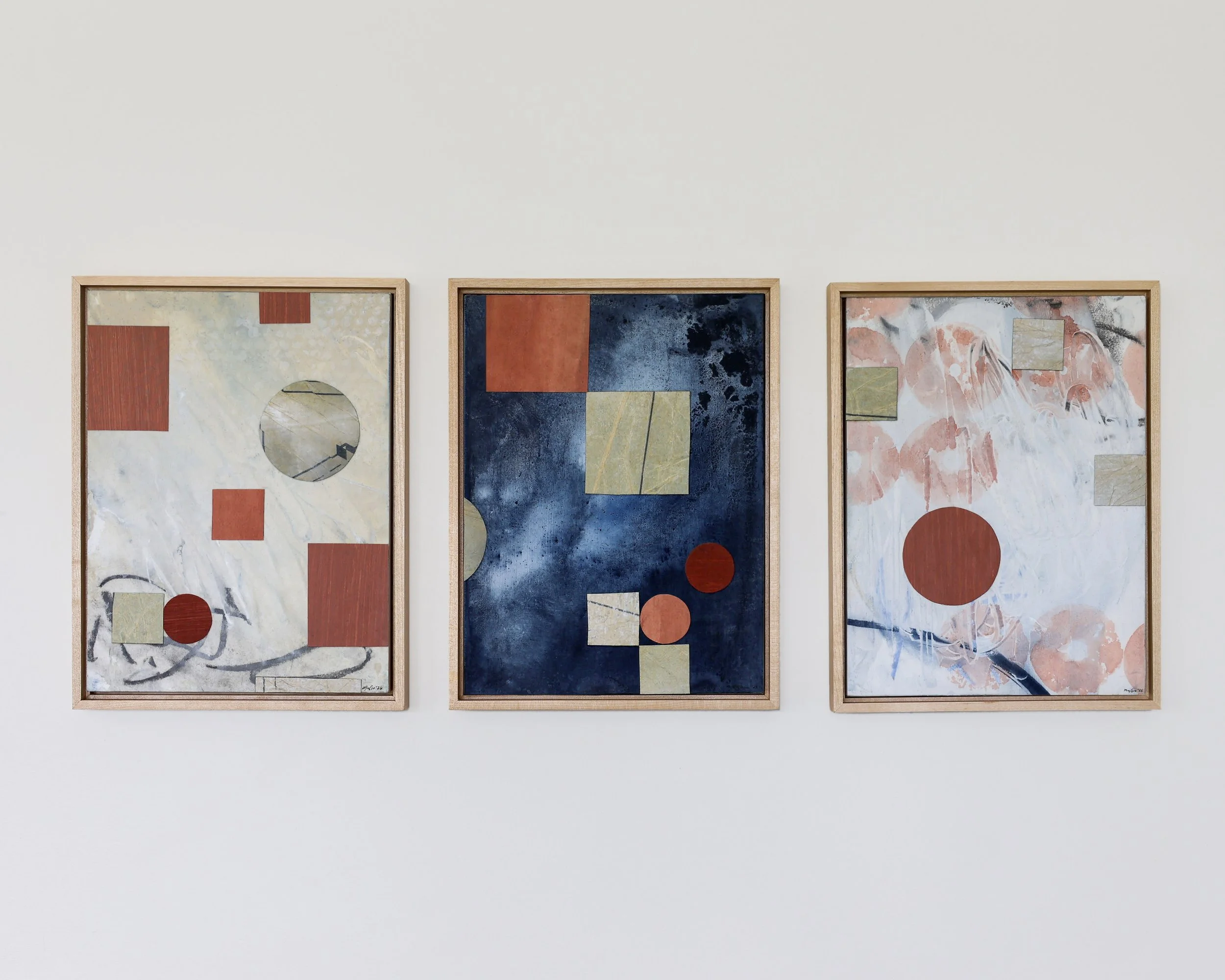
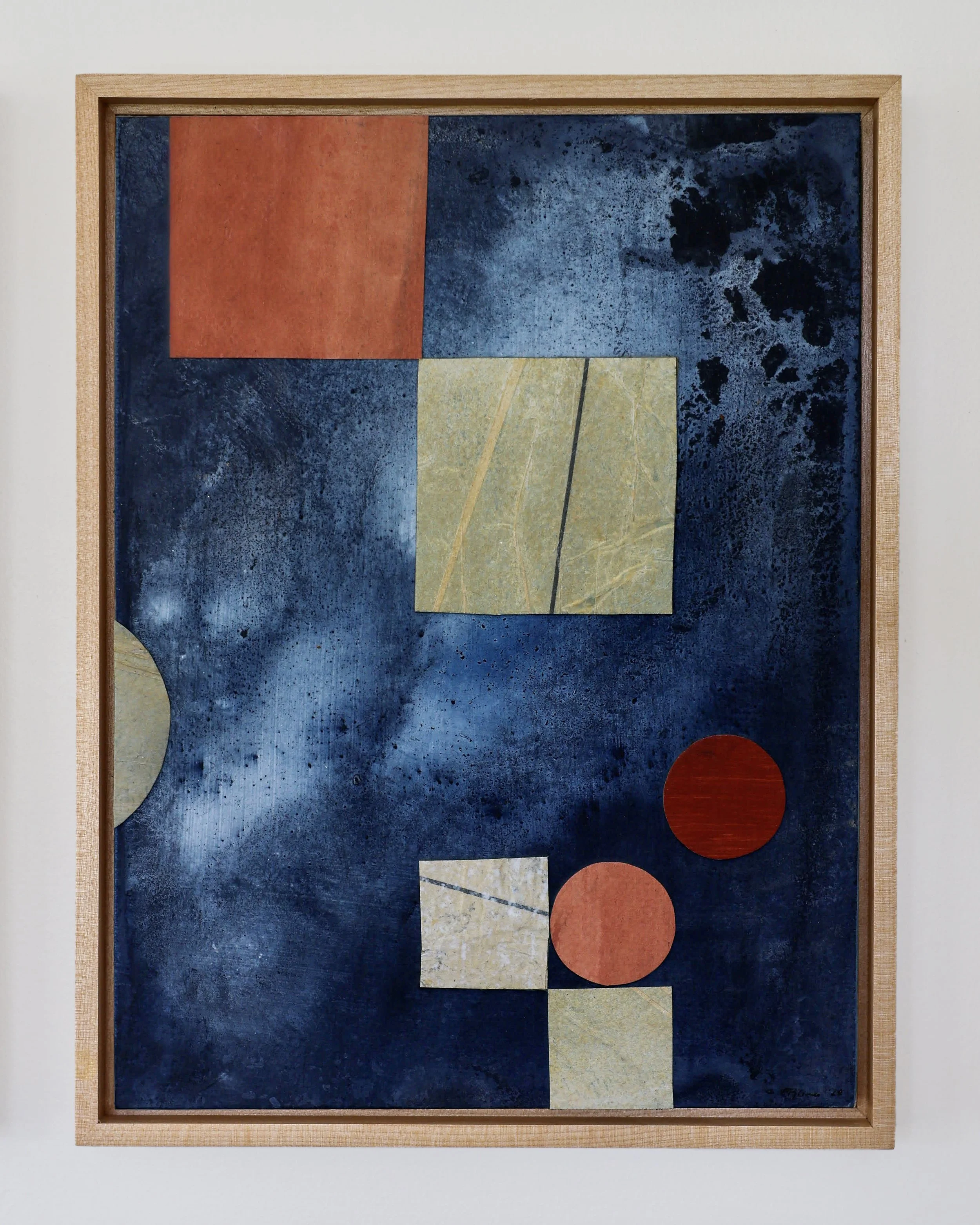
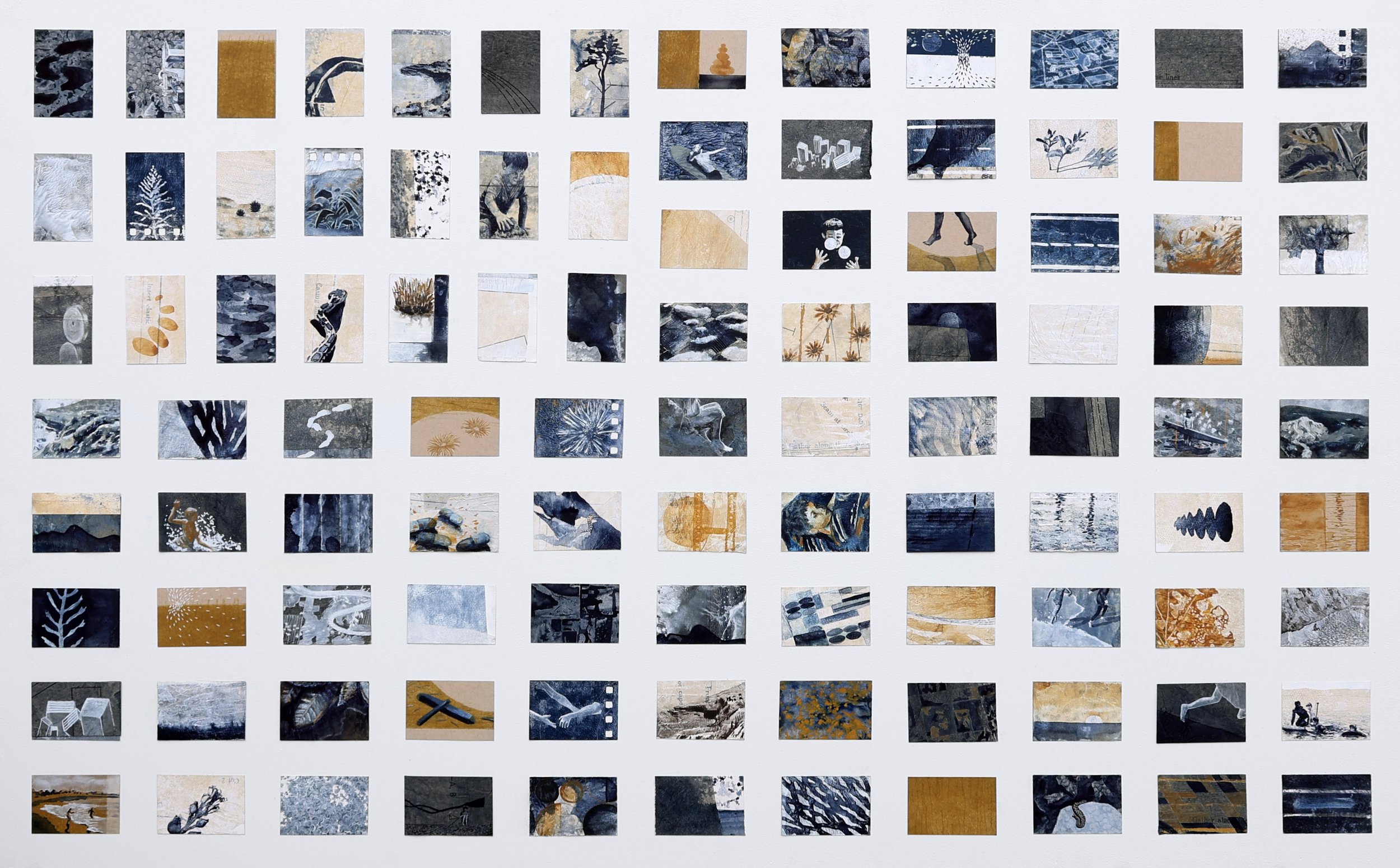
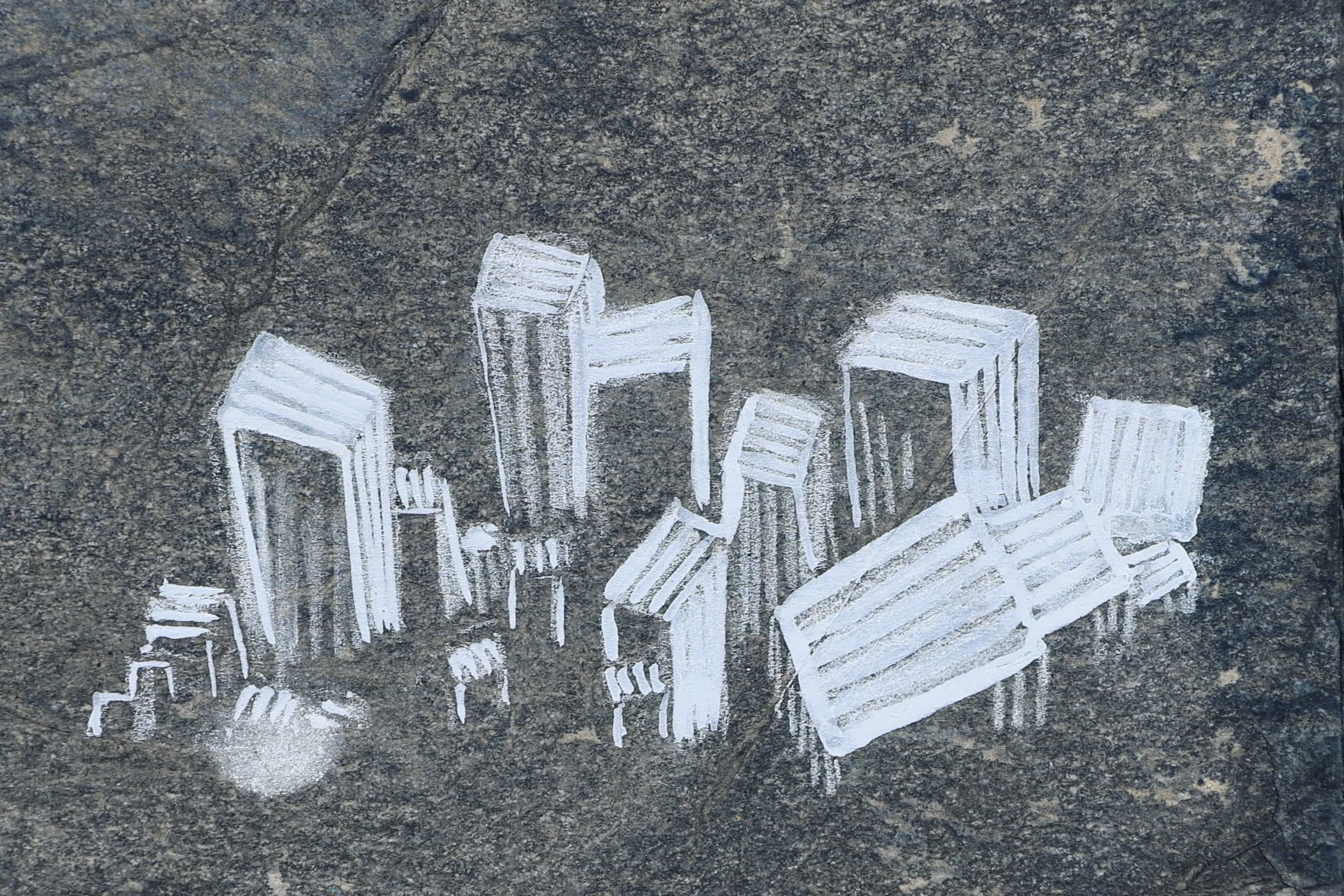
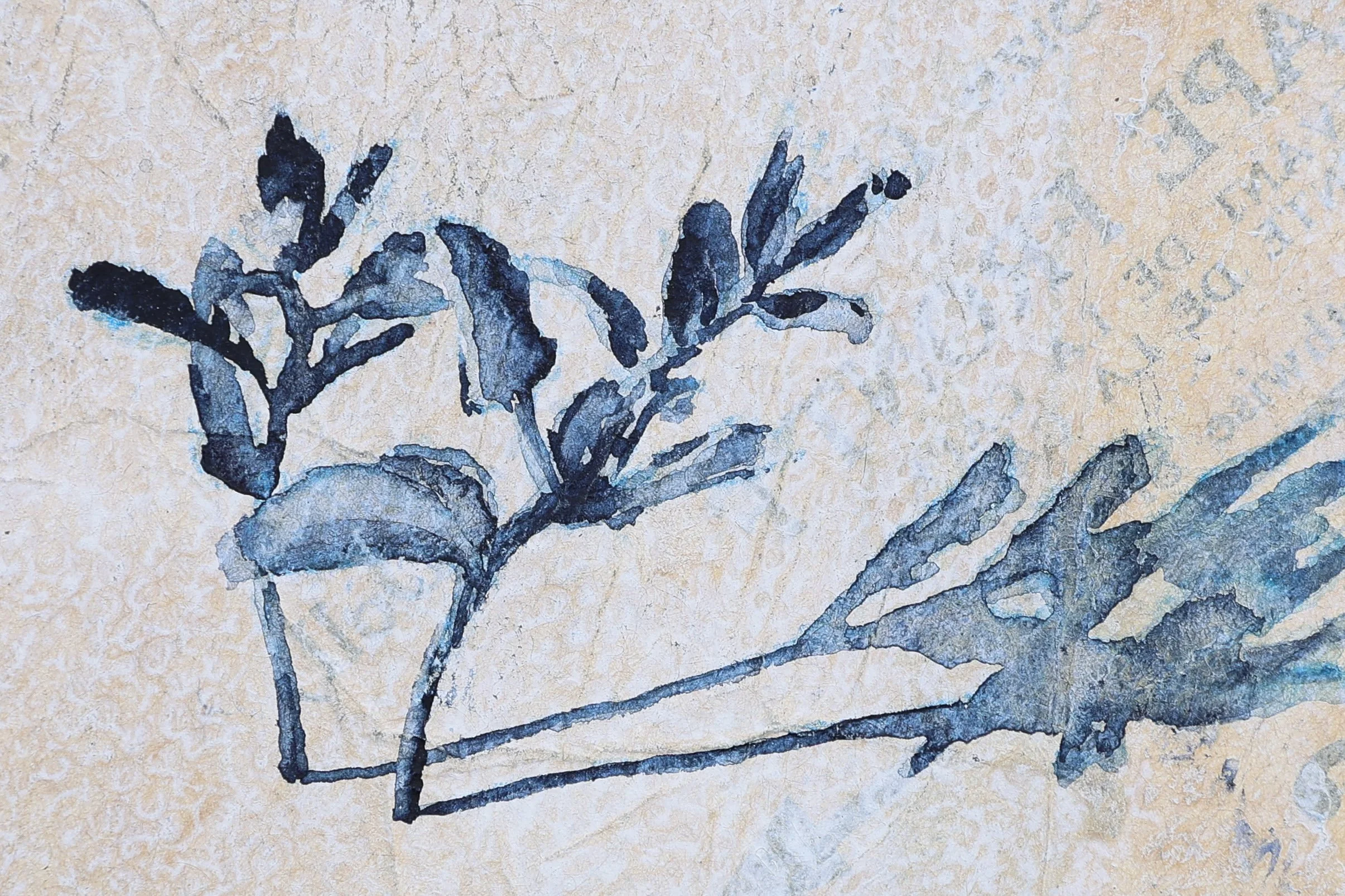
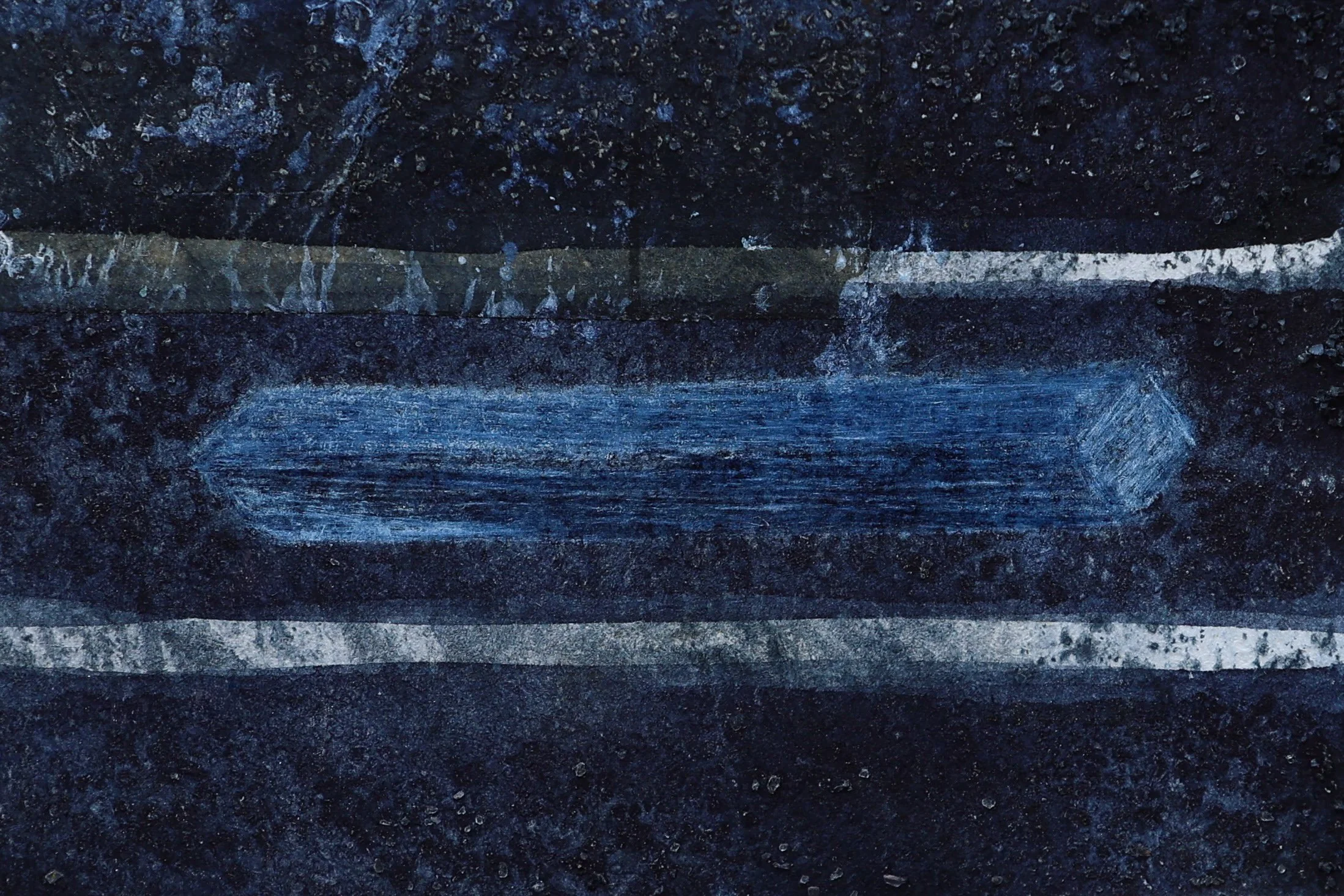
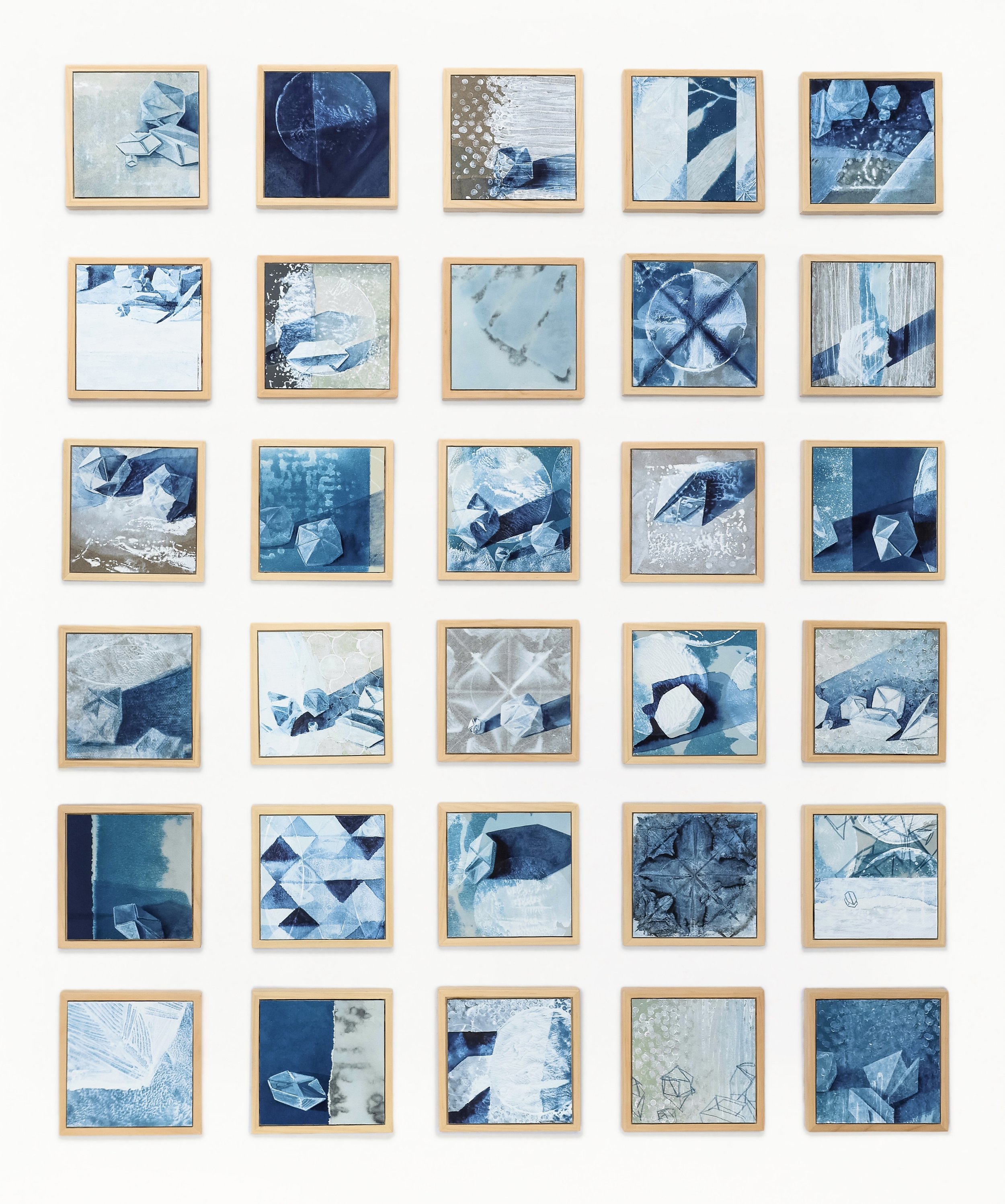
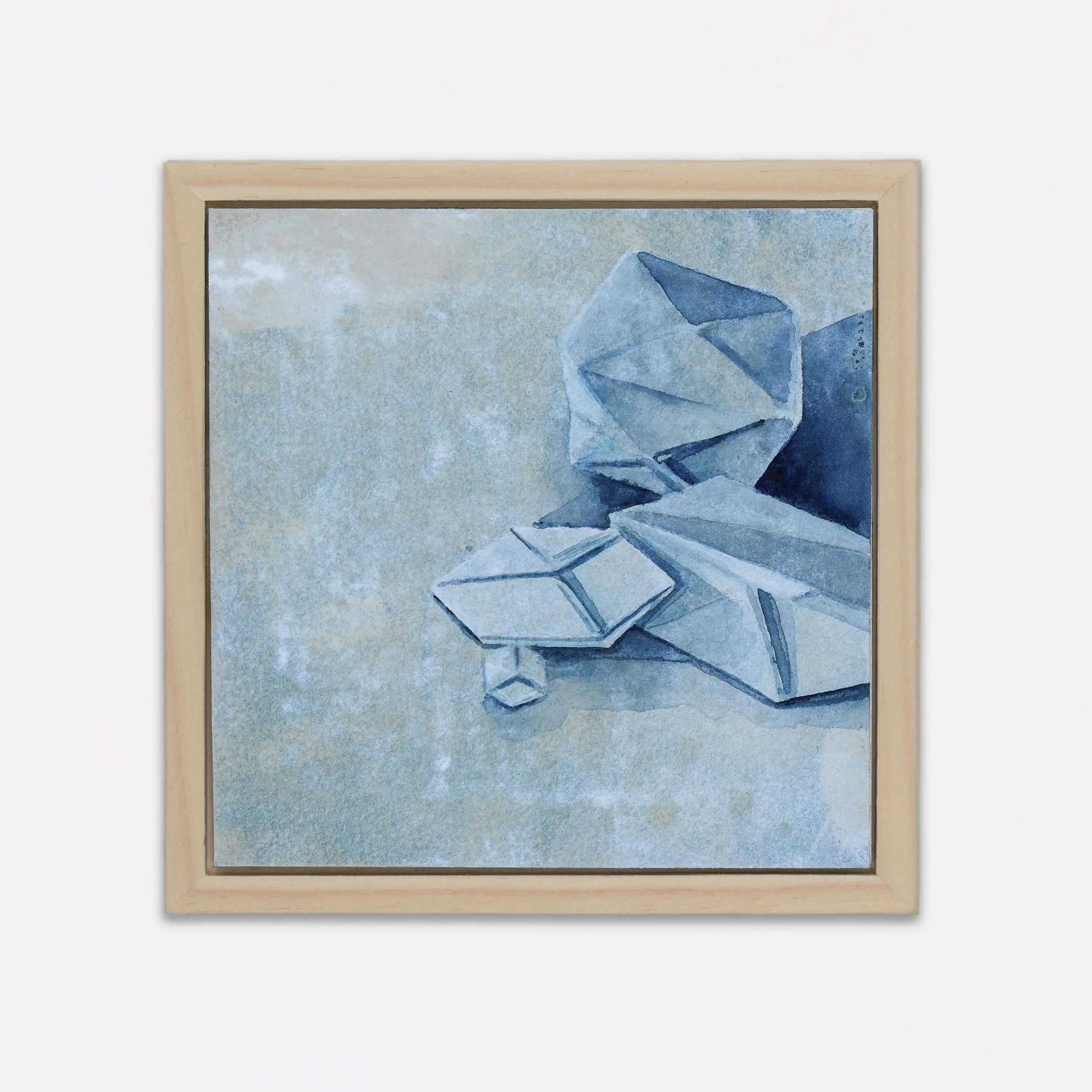
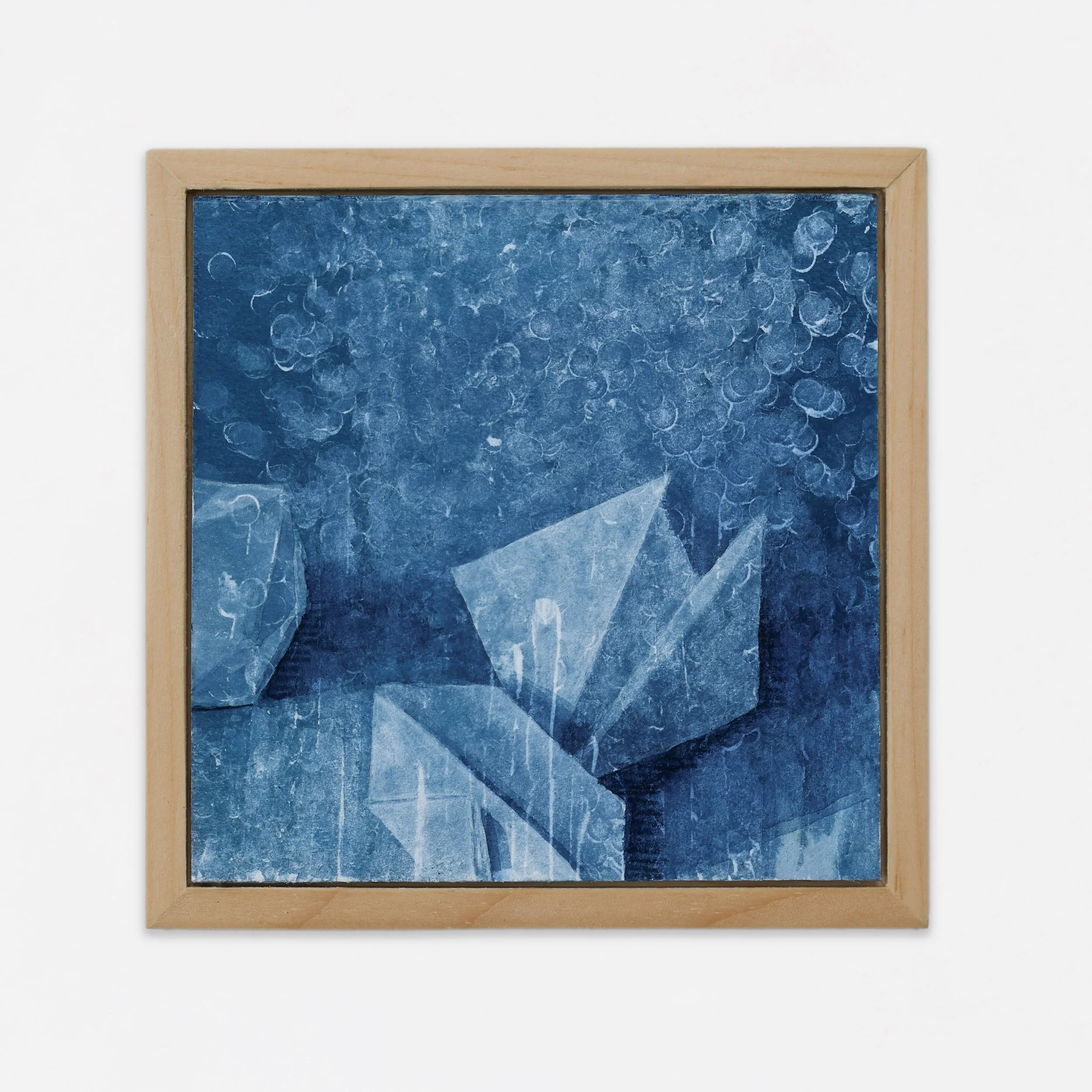
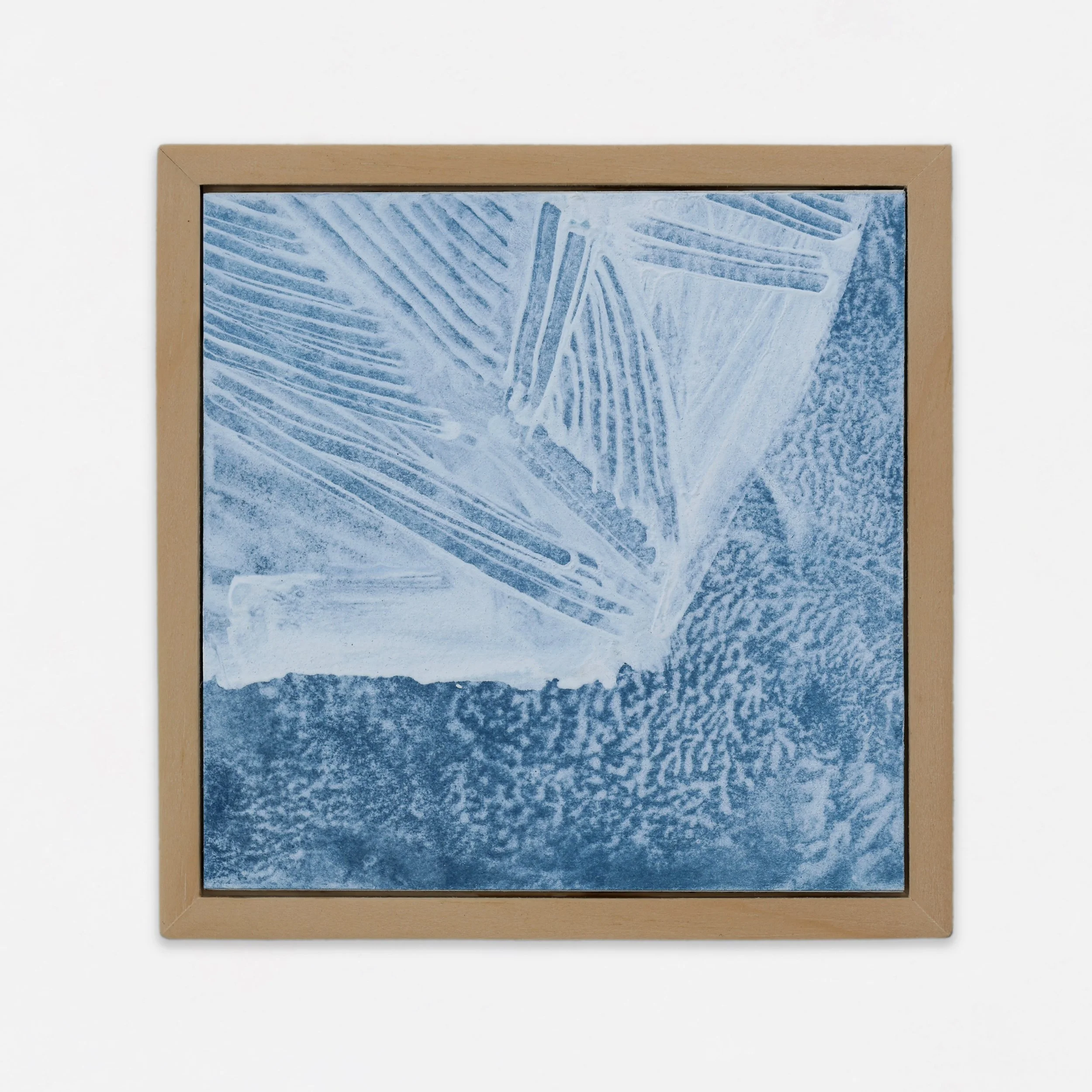
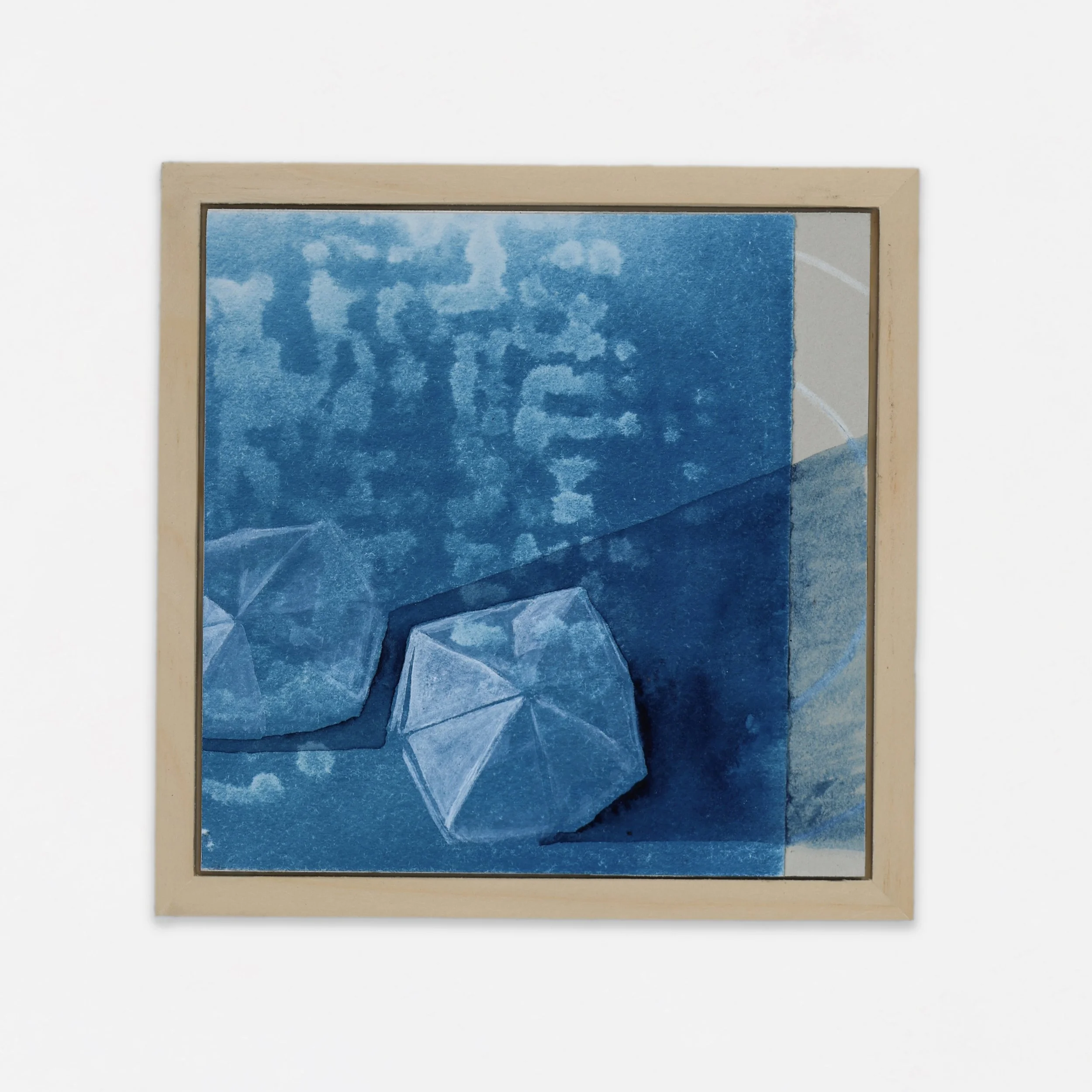
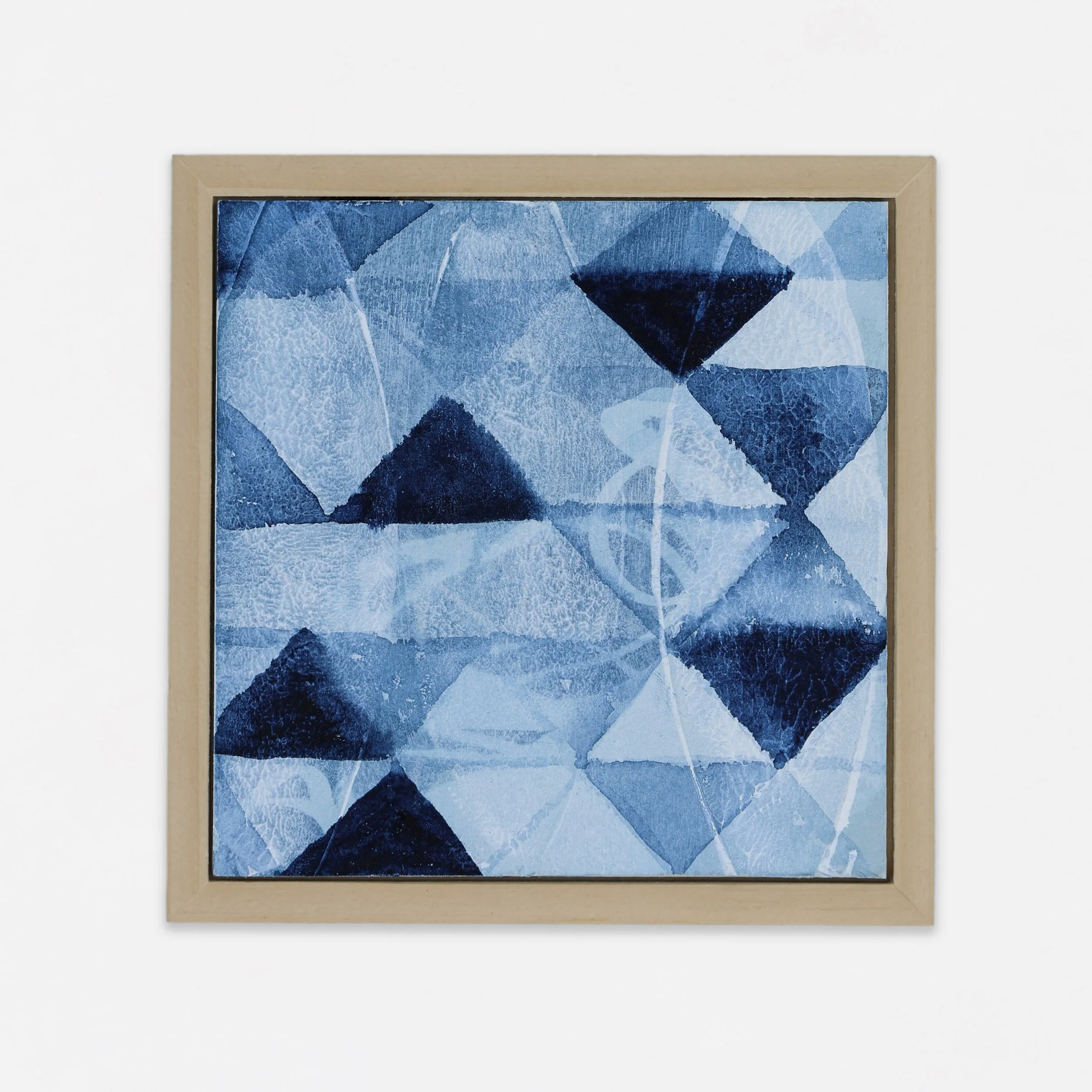
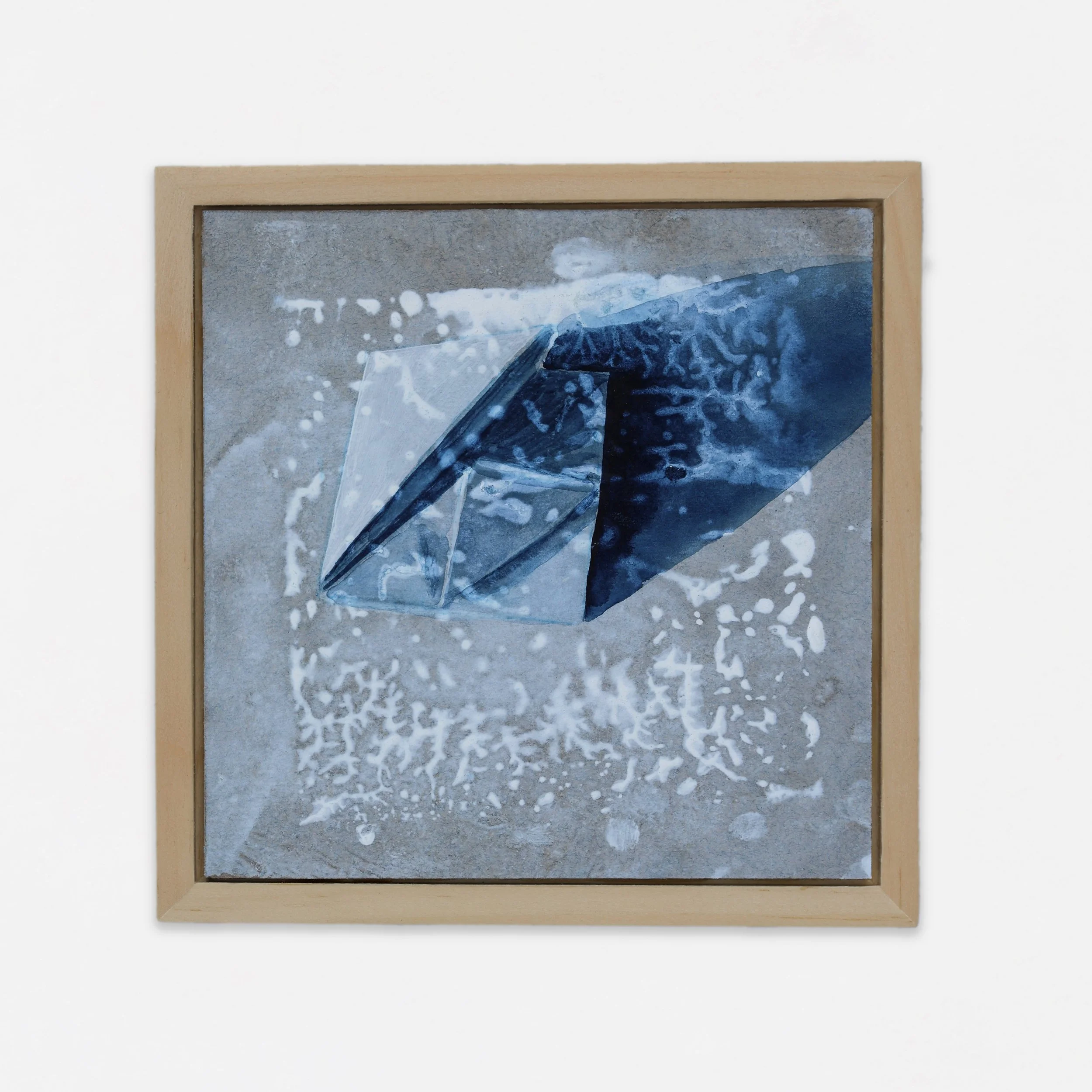
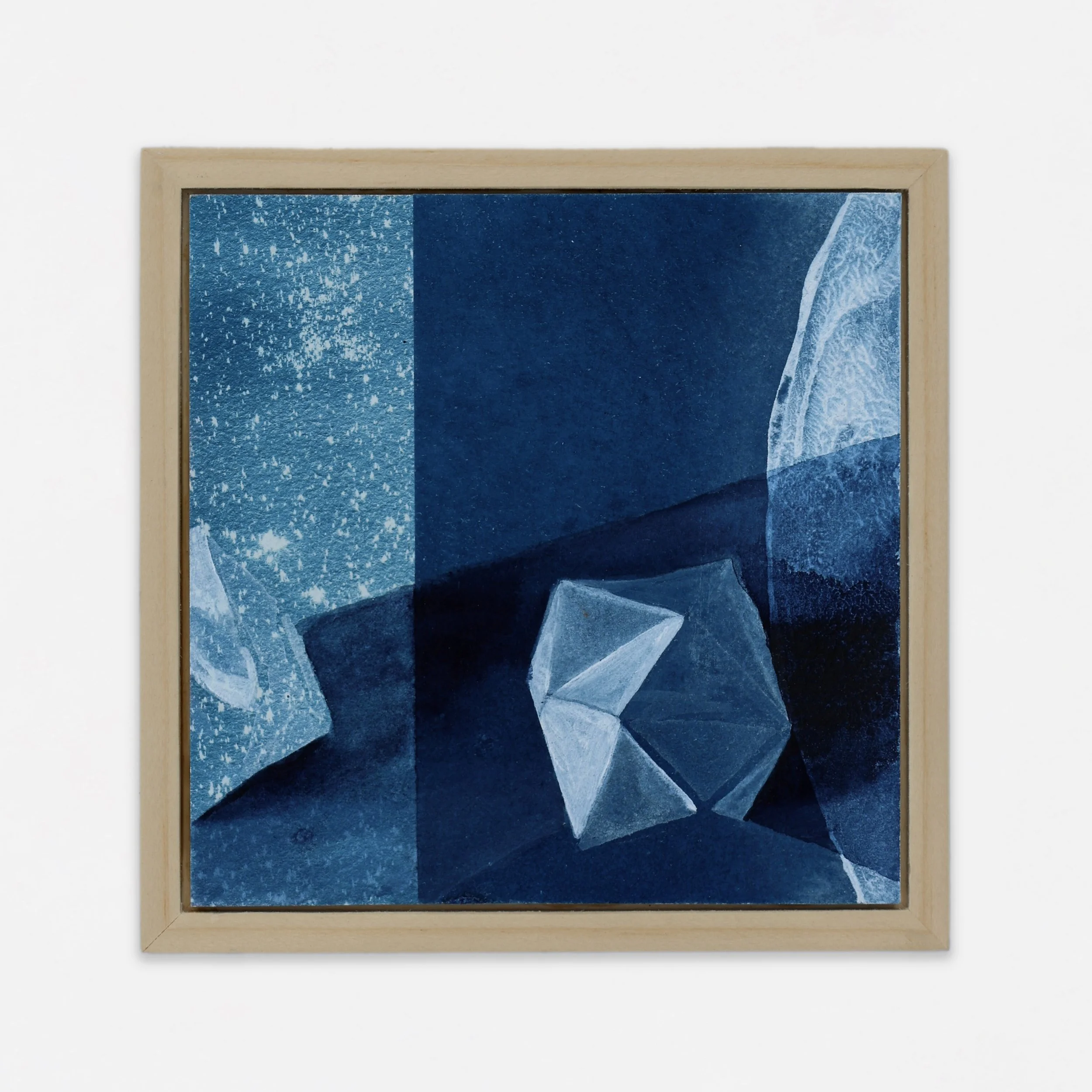
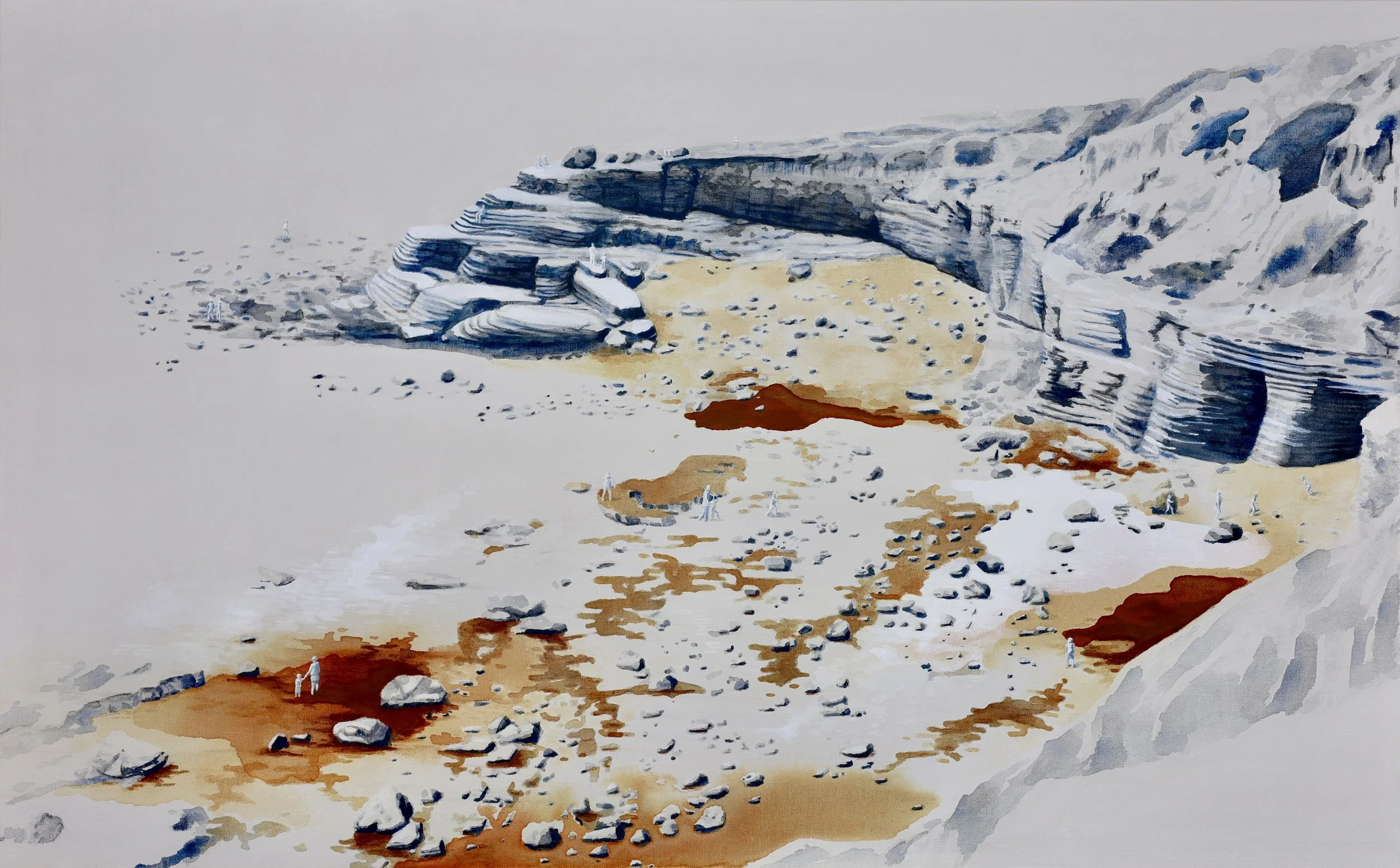
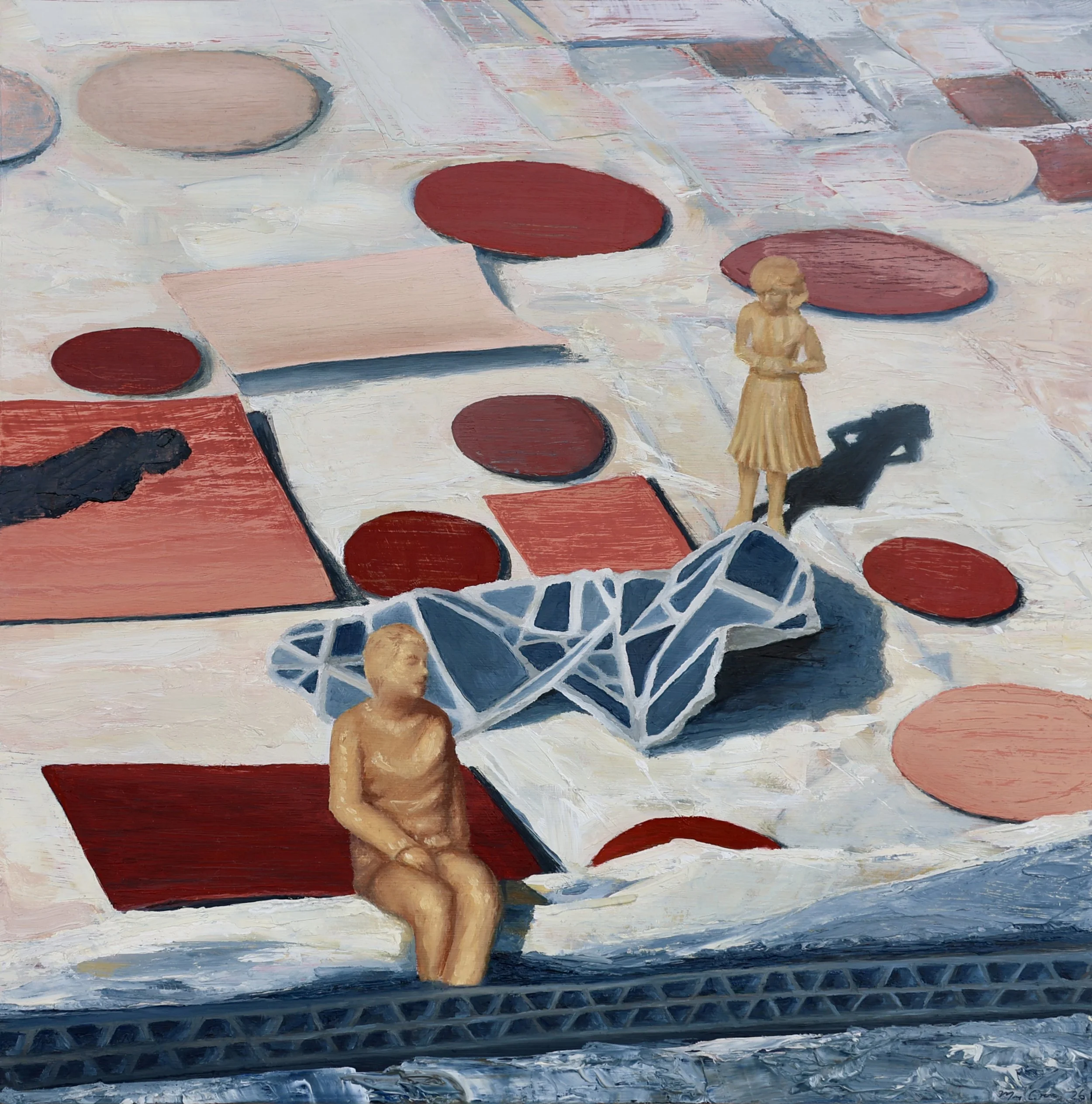
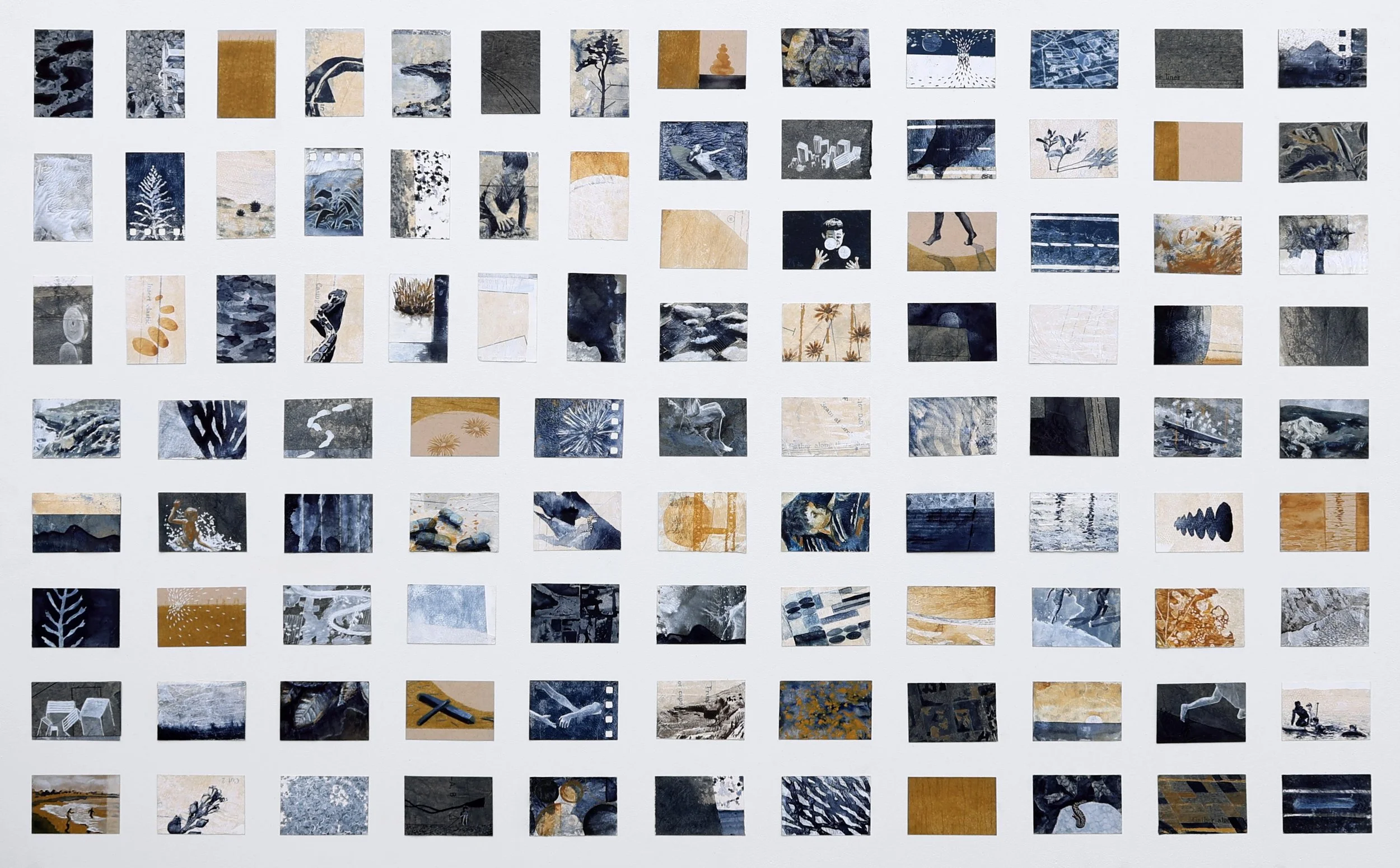
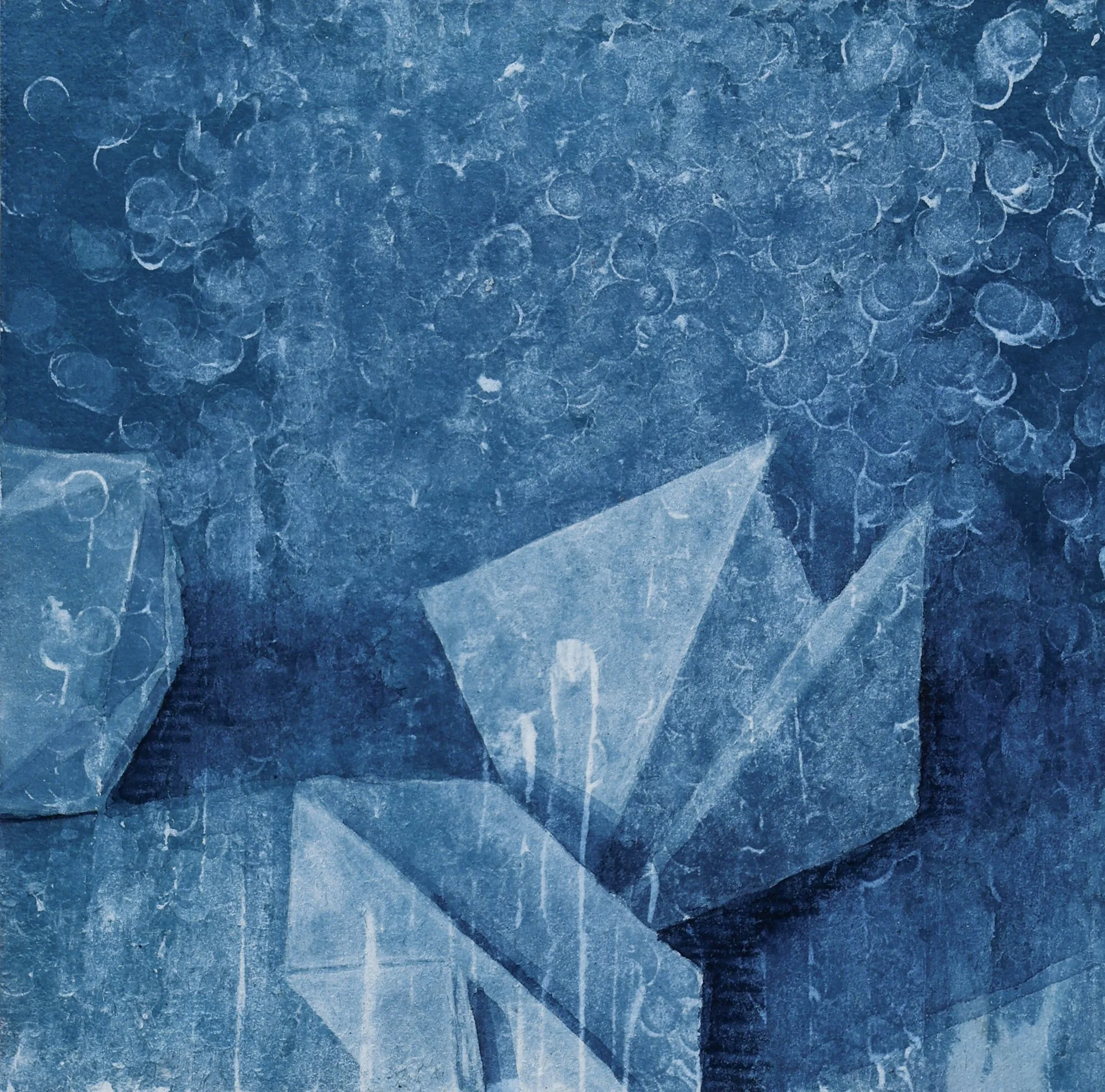
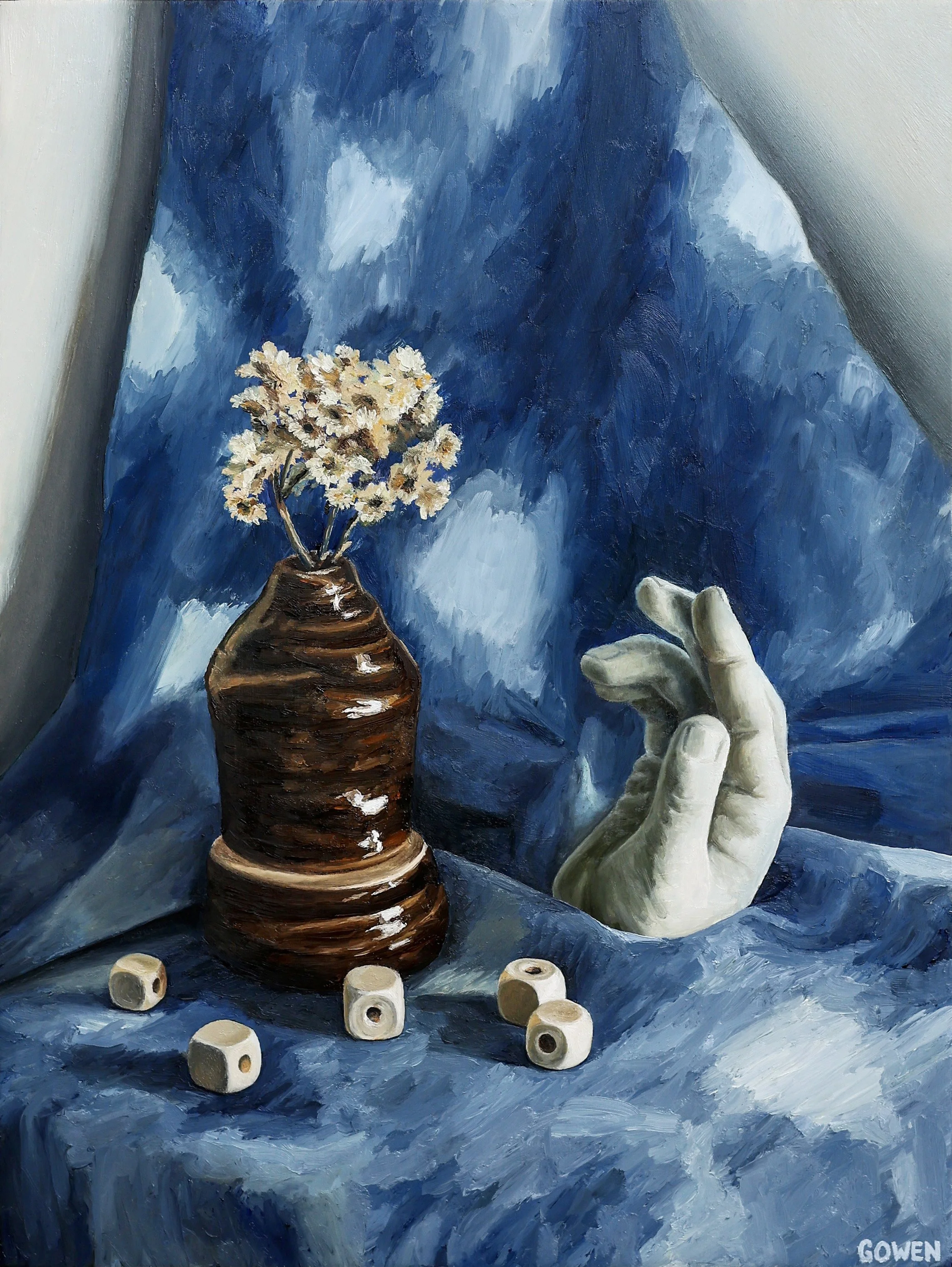
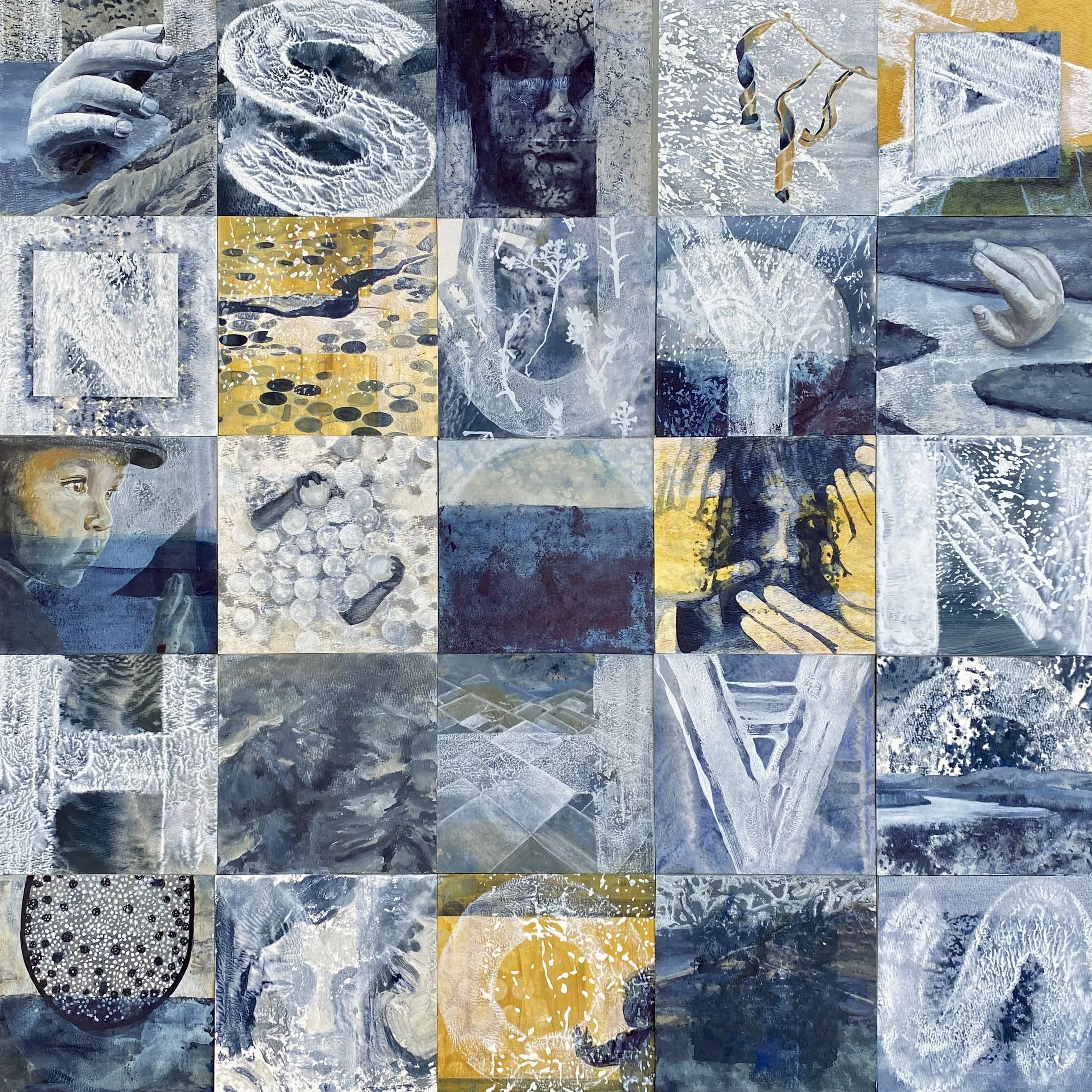
The series is also autobiographical, articulating lived experiences of neurodivergence, intergenerational patterning, fractured infrastructures of care, and the complexity and joy of neurodivergent parenting. The repeated textual fragments mirror how intuitive cognition often operates: fragmentary, recursive, and relational, accumulating meaning through return rather than progression. Across the ten books, one hundred distinct textual lines appear—each corresponding to a painting from my parallel series of one hundred works titled Gather Along These Lines, linking the books and paintings as reciprocal sites of intuitive knowledge-making.
In relation to my broader research on epistemic sovereignty, Gather Along These Lines operates as both artwork and infrastructure. It models a knowledge environment in which sensory, affective, and non-verbal cognition can exist without being subordinated to explanation. Rather than opposing rationality, the work insists on coexistence—on the necessity of diverse epistemic modes for a resilient and humane knowledge ecology.